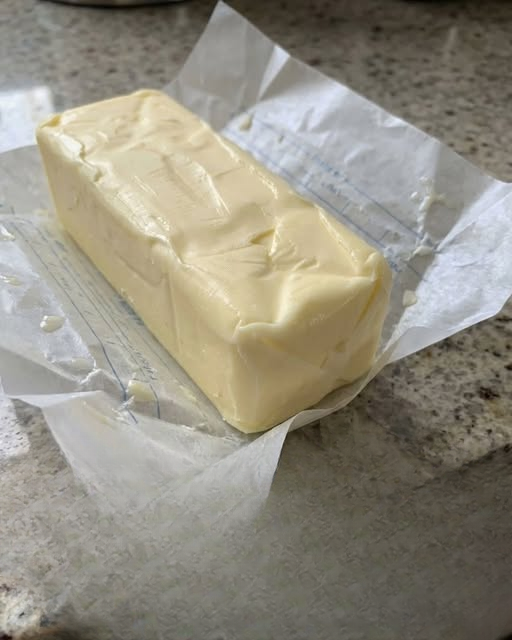
Butter is one of the most versatile and widely used ingredients found in kitchens around the world. From spreading it on warm toast to using it in baking, cooking, and countless family recipes, butter has earned its place as a household staple.
Yet one question continues to spark debate among home cooks and food enthusiasts:
Is it safe to leave butter on the kitchen counter instead of storing it in the refrigerator?
If you’ve ever visited someone else’s home, you may have noticed a butter dish sitting on the countertop and wondered whether that practice is safe. The answer is not a simple yes or no. Instead, it depends on several factors, including temperature, storage methods, and how quickly the butter will be used.
The good news is that, under the right conditions, keeping a small amount of butter at room temperature can be perfectly acceptable and may even improve its texture and usability.
Let’s take a closer look at why butter behaves differently from many other dairy products and how you can store it safely.
Why Butter Is Different From Other Dairy Products
Many people assume that because butter is made from milk, it must always be refrigerated.
However, butter is quite different from products such as milk, yogurt, cream, or soft cheeses.
Butter is made by separating and churning the fat found in cream. The result is a product that contains a high percentage of milk fat and relatively little water.
This low moisture content plays an important role in how butter can be stored.
Microorganisms generally require moisture to grow and multiply. Since butter contains much less water than many other dairy products, it is less favorable for microbial growth when handled and stored properly.
This is one reason why butter has historically been stored at cool room temperatures long before modern refrigeration became common.
That doesn’t mean butter lasts forever on the counter, but it does explain why it can remain safe for reasonable periods under suitable conditions.
Benefits of Keeping Butter at Room Temperature
Many people prefer room-temperature butter because it offers several practical advantages.
Easier Spreading
Perhaps the biggest benefit is texture.
Cold butter straight from the refrigerator can be difficult to spread, often tearing bread, rolls, or pastries.
Room-temperature butter becomes soft and creamy, making it much easier to use.
Better for Baking Preparation
Many baking recipes call for softened butter.
Having butter readily available at room temperature can save time when preparing cakes, cookies, muffins, and other baked goods.
Convenience
For households that use butter daily, keeping a small portion on the counter makes meal preparation quicker and more convenient.
Instead of waiting for refrigerated butter to soften, it’s ready whenever you need it.
How Long Can Butter Stay on the Counter?
The amount of time butter can safely remain at room temperature depends largely on environmental conditions.
Temperature is the most important factor.
In a relatively cool kitchen, butter may remain in good condition for several days and, in some situations, up to about a week.
However, warmer kitchens can shorten this timeframe significantly.
When temperatures rise, butter may soften excessively, lose quality, or develop off-flavors more quickly.
Because every household environment is different, it is important to monitor the butter’s appearance, aroma, and texture.
If it develops an unusual smell, discoloration, or an unpleasant taste, it should be discarded.
The Best Way to Store Butter on the Counter
If you choose to keep butter at room temperature, proper storage is essential.
Here are several effective methods.
Use a Covered Butter Dish
A covered butter dish is one of the simplest and most popular storage solutions.
The cover helps protect the butter from:
- Dust
- Air exposure
- Household odors
- Kitchen contaminants
A quality butter dish keeps butter accessible while helping maintain freshness.
Keep Only a Small Amount Out
Rather than leaving an entire package of butter on the counter, many people keep only enough for a few days of use.
The remainder stays refrigerated until needed.
This approach helps reduce waste while ensuring fresh butter is always available.
Choose the Right Location
Where you place the butter matters.
Try to keep it:
- Away from direct sunlight
- Away from ovens and stovetops
- Away from heating vents
- Away from warm windows
A cool, shaded location helps maintain a more stable temperature.
What Is a Butter Bell?
You may have heard of a butter bell, sometimes called a butter crock.
This traditional storage container has been used for generations.
A butter bell works by creating a seal that helps limit air exposure.
The butter is placed inside a specially designed compartment while water forms a protective barrier.
Many people appreciate butter bells because they keep butter soft and spreadable while helping preserve freshness.
These containers are available in a variety of sizes, colors, and designs, making them both functional and decorative additions to a kitchen.
Should Salted or Unsalted Butter Be Left Out?
When storing butter at room temperature, many people prefer salted butter.
Salt acts as a natural preservative and may help maintain quality for a longer period compared with unsalted varieties.
Unsalted butter can still be stored at room temperature for short periods, but it generally requires a bit more attention and should be used sooner.
If you’re uncertain, refrigeration remains the safest long-term storage option.
Signs That Butter May No Longer Be Fresh
Regardless of where butter is stored, it’s important to recognize signs that it may have lost quality.
Pay attention to:
Changes in Smell
Fresh butter typically has a mild, pleasant aroma.
If the scent becomes sour, strong, or unusual, it may be time to replace it.
Changes in Color
Butter naturally varies slightly in color, but significant discoloration can indicate quality changes.
Changes in Taste
An off or unpleasant taste is often a clear sign that butter should not be used.
Changes in Texture
Excessive oil separation or unusual texture changes may suggest that the butter has been exposed to unfavorable conditions.
How Refrigeration Extends Butter’s Shelf Life
While room-temperature storage works well for short-term convenience, refrigeration remains the best choice for long-term preservation.
Refrigerated butter can remain fresh for much longer periods than butter stored on the counter.
Many households use a combination approach:
- A small amount stays on the counter for daily use.
- Additional butter remains refrigerated until needed.
This strategy provides both convenience and freshness.
Can Butter Be Frozen?
Yes.
Butter freezes exceptionally well.
In fact, freezing is one of the best methods for long-term storage.
Many people purchase butter in larger quantities during sales and store extra packages in the freezer.
When properly wrapped and protected, frozen butter can maintain quality for extended periods.
Simply transfer it to the refrigerator when you’re ready to use it.
Common Myths About Butter Storage
Myth 1: Butter Must Always Be Refrigerated
While refrigeration is ideal for long-term storage, a small amount of butter can often be kept safely at room temperature under appropriate conditions.
Myth 2: Butter Spoils Immediately on the Counter
Properly stored butter does not instantly spoil when left out.
Environmental factors and storage methods play important roles.
Myth 3: All Kitchens Are the Same
Temperature and humidity vary significantly from one home to another.
What works well in one household may not be ideal in another.
Always consider your specific environment.
The Bottom Line
Butter remains one of the most beloved ingredients in kitchens around the world, and understanding how to store it properly can help you enjoy both convenience and quality.
For many households, keeping a small portion of butter on the counter is a practical option when done responsibly. Using a covered butter dish, selecting a cool location, and monitoring freshness can help maintain both flavor and texture.
At the same time, refrigeration remains the best solution for longer storage periods, while freezing offers an excellent option for preserving extra butter for future use.
Ultimately, the best storage method depends on how frequently you use butter, the temperature of your kitchen, and your personal preferences.
By following a few simple guidelines, you can enjoy soft, spreadable butter whenever you need it while helping maintain its freshness and quality.