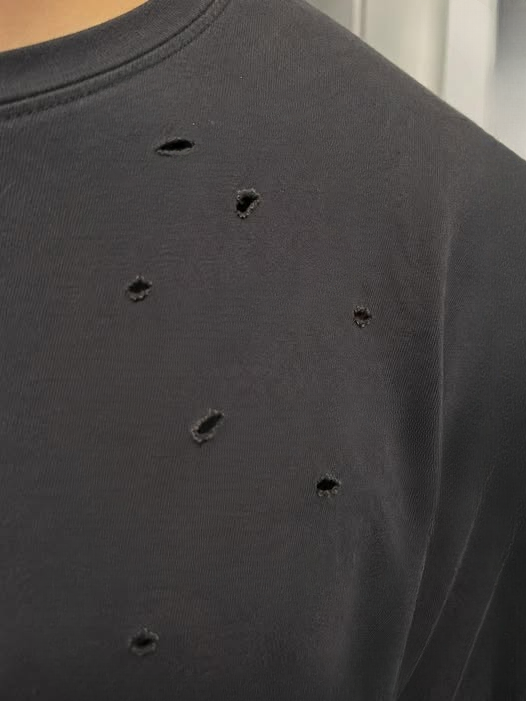
Few things are more frustrating than pulling your favorite shirt out of the closet and discovering a small hole that wasn’t there before.
At first, it may seem like an isolated incident.
Perhaps the fabric was old.
Maybe the garment experienced normal wear and tear.
But when the same type of damage begins appearing on multiple pieces of clothing, many people start asking the same question:
Why are my clothes developing tiny holes?
If you’ve noticed small tears or punctures appearing repeatedly—especially in cotton shirts, lightweight fabrics, or frequently worn garments—you are not alone.
This common household mystery affects countless people every year.
The good news is that these tiny holes are often caused by identifiable factors rather than random damage.
Understanding the potential causes can help you extend the life of your clothing, reduce replacement costs, and keep your favorite garments looking their best for longer.
The Mystery of the Tiny Hole
Many people first notice the problem in a favorite T-shirt.
A small hole appears near the hemline.
Another develops around the waist area.
Soon, several garments show similar damage.
The pattern often seems strange because the holes appear in similar locations.
This consistency leads many people to assume there must be a specific cause.
In many cases, they are correct.
Small holes usually result from repeated stress, friction, or fabric wear occurring over time.
The challenge lies in identifying exactly where that stress originates.
Everyday Friction Adds Up
One of the most common causes of clothing damage is friction.
Although each individual contact may seem insignificant, repeated rubbing gradually weakens fabric fibers.
Examples include:
- Seat belts
- Countertops
- Desks
- Belt buckles
- Handbags
- Purse straps
- Work equipment
When clothing repeatedly contacts hard surfaces, fibers slowly wear down.
Eventually, weak points may develop into visible holes.
This process often happens so gradually that people don’t notice until damage becomes obvious.
Belt Buckles and Waist-Level Wear
One frequently overlooked source of damage involves belt buckles and waist-level contact points.
Many people notice holes appearing near the front lower portion of shirts.
This area often experiences repeated contact with:
- Belt buckles
- Pants buttons
- Jean rivets
- Counter edges
- Work surfaces
Each time someone leans against a counter, desk, or table, fabric may become trapped between hard surfaces.
Over weeks and months, repeated friction weakens fibers.
The result can be small holes concentrated in similar locations.
Because the damage develops slowly, identifying the cause isn’t always easy.
Laundry Machines Can Contribute
Laundry equipment plays an important role in clothing longevity.
Modern washing machines are highly effective at cleaning garments, but improper use can sometimes increase wear.
Potential contributors include:
- Overloaded machines
- Excessively long wash cycles
- High spin speeds
- Aggressive agitation
- Mixing heavy and delicate fabrics
When garments become tangled or stretched during washing, fibers may experience additional stress.
This doesn’t mean washing machines are inherently harmful.
Rather, using appropriate settings helps reduce unnecessary wear.
Zippers Are Often Overlooked
Another surprisingly common cause of clothing damage involves zippers.
Unzipped jackets, jeans, and hoodies can catch delicate fabrics during washing.
The metal teeth may snag neighboring garments, causing small tears or weakened threads.
To reduce risk:
- Zip garments before washing.
- Fasten hooks and closures.
- Turn delicate items inside out.
- Use mesh laundry bags when appropriate.
These simple habits can help minimize unnecessary friction.
Fabric Quality Matters
Not all fabrics are created equally.
Clothing manufacturers use a wide variety of materials, weaving techniques, and construction methods.
Some garments are designed for durability.
Others prioritize softness, comfort, or lightweight performance.
Very thin fabrics may feel comfortable but often wear more quickly.
Factors influencing durability include:
- Fiber type
- Fabric thickness
- Thread quality
- Construction methods
- Manufacturing standards
Higher-quality materials generally withstand repeated washing and daily use more effectively.
How Dryers Affect Clothing
Dryers provide convenience, but heat can accelerate fabric wear over time.
High temperatures may:
- Weaken fibers
- Shrink materials
- Increase friction
- Reduce elasticity
Repeated exposure to excessive heat can shorten garment lifespan.
Many clothing care experts recommend:
- Using lower heat settings
- Removing items promptly
- Air-drying delicate garments
- Following manufacturer care instructions
These practices often help preserve fabric quality.
The Role of Detergents
Laundry detergents are designed to remove dirt, oils, and stains.
However, using more detergent than necessary does not always improve cleaning performance.
Excess detergent may:
- Leave residue behind
- Increase fabric stiffness
- Require additional rinsing
- Contribute to fiber wear over time
Most manufacturers provide recommended usage amounts based on load size and water conditions.
Following those guidelines can help protect clothing while maintaining cleaning effectiveness.
Sorting Laundry Correctly
Many people sort laundry by color but overlook fabric weight.
Combining heavy and lightweight items in the same load can increase wear.
For example:
Heavy items:
- Jeans
- Towels
- Jackets
Lightweight items:
- T-shirts
- Athletic wear
- Undergarments
During washing, heavier items may create additional friction against delicate fabrics.
Sorting by both color and fabric type often produces better results.
Buttons, Rivets, and Hardware
Modern clothing contains many hard components.
These include:
- Buttons
- Snaps
- Rivets
- Buckles
- Decorative hardware
While useful and attractive, these features may contribute to wear when garments rub together repeatedly.
Turning clothes inside out before washing helps reduce direct contact between hardware and fabric surfaces.
This simple habit can significantly reduce abrasion.
Storage Habits Matter Too
Clothing care extends beyond laundry.
Storage practices also influence garment longevity.
Overcrowded closets can create:
- Excessive stretching
- Wrinkling
- Friction between garments
Proper storage helps maintain fabric integrity.
Suggestions include:
- Avoiding overcrowded hangers
- Folding heavy knitwear
- Providing adequate closet space
- Using appropriate storage containers
These steps help reduce unnecessary stress on fabrics.
Recognizing Early Warning Signs
Clothing rarely develops holes without warning.
Early signs often appear first.
Examples include:
- Thinning fabric
- Faded areas
- Loose threads
- Small snags
- Pilling
Addressing these issues early may prevent larger problems later.
Regular inspection allows people to identify wear before significant damage occurs.
How to Extend the Life of Your Clothes
Protecting clothing doesn’t require complicated routines.
Small adjustments often make a significant difference.
Wash Less Frequently
Not every garment requires washing after a single use.
Use Gentle Cycles
Gentler settings reduce stress on fabrics.
Wash Similar Fabrics Together
Separate heavy and lightweight items.
Fasten Closures
Zip zippers and secure buttons.
Avoid Excessive Heat
Lower drying temperatures reduce wear.
Turn Garments Inside Out
This protects visible surfaces during washing.
These habits help preserve clothing quality over time.
The Financial Benefits of Proper Clothing Care
Replacing damaged clothing can become expensive.
Extending garment lifespan offers several benefits:
- Lower replacement costs
- Reduced waste
- Better value from purchases
- Improved wardrobe longevity
Even small improvements in care routines can generate noticeable savings over time.
For many households, maintaining clothing properly is both practical and economical.
Sustainability and Clothing Longevity
Extending the life of garments also benefits the environment.
The fashion industry requires significant resources for production, transportation, and distribution.
Keeping clothes in use longer helps reduce:
- Textile waste
- Resource consumption
- Replacement demand
Many sustainability advocates emphasize repair, maintenance, and responsible garment care as simple ways individuals can reduce waste.
Common Myths About Clothing Damage
Several misconceptions often circulate regarding tiny holes in clothing.
Myth: Only Cheap Clothes Develop Holes
Even high-quality garments can experience wear under certain conditions.
Myth: Washing Machines Always Cause Damage
Properly maintained machines are usually not the sole cause.
Myth: Small Holes Appear Randomly
Repeated friction and stress are often responsible.
Myth: New Clothes Are Immune
All fabrics experience wear over time.
Understanding these realities helps people identify actual causes more effectively.
The Bigger Lesson
Tiny holes in clothing may seem like a minor annoyance, but they reveal something interesting about everyday life.
Small actions repeated consistently produce significant results.
Whether it’s friction against a countertop, repeated washing habits, or storage choices, minor factors accumulate over time.
Recognizing those patterns allows people to make simple adjustments that protect their belongings.
Final Thoughts
If you’ve been finding small holes in your shirts and wondering what’s causing them, the answer is often more practical than mysterious.
Repeated friction, laundry habits, fabric quality, storage practices, and everyday wear all contribute to garment lifespan.
Fortunately, most causes can be addressed through simple preventive measures.
By paying attention to how clothing is washed, dried, stored, and worn, you can significantly reduce unnecessary damage and keep your wardrobe looking better for longer.
Sometimes the smallest household mysteries have the simplest explanations—and understanding them can save both frustration and money in the long run.