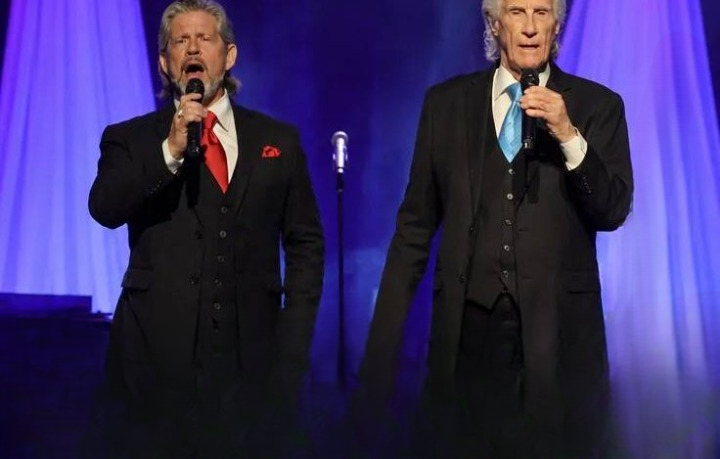
Why “Unchained Melody” Continues to Move Listeners More Than Half a Century Later
Some songs become popular for a season. Others define an era. A select few transcend generations, remaining relevant and emotionally powerful long after their original release. Among those rare musical treasures is “Unchained Melody,” a song that has captivated listeners for decades and continues to find new audiences around the world.
With its unforgettable melody, heartfelt lyrics, and timeless themes of love, longing, and connection, “Unchained Melody” stands as one of the most beloved songs ever recorded. Even people who may not immediately recognize the title often recognize the opening notes within seconds. The song’s emotional impact remains remarkably strong, proving that truly great music can endure regardless of changing trends.
More than sixty years after becoming a global sensation, “Unchained Melody” continues to be played at weddings, anniversaries, family gatherings, concerts, and special occasions. It regularly appears on lists of the greatest love songs ever recorded and remains one of the most recognizable recordings in popular music history.
What makes this song so enduring? Why has it continued touching hearts across multiple generations while thousands of other hits have faded from memory?
The answer lies in a combination of extraordinary songwriting, emotional authenticity, remarkable performances, and a universal message that speaks directly to the human experience.
The Origins of a Timeless Classic
Many people assume “Unchained Melody” was originally written for The Righteous Brothers, but its story actually began years earlier.
The song was composed in the 1950s by songwriter Hy Zaret and composer Alex North. It was originally created for a motion picture and quickly gained attention because of its haunting melody and emotional depth.
Even in its earliest versions, listeners recognized something special.
The song possessed a rare quality that allowed it to connect with audiences on a deeply personal level.
Unlike many popular songs that rely on specific cultural references or temporary trends, “Unchained Melody” focused on universal emotions—love, separation, hope, longing, and reunion.
These themes never become outdated because they are part of the shared human experience.
The Performance That Changed Everything
While the song had already existed for years, it was the recording by The Righteous Brothers that elevated it into music history.
The vocal performance delivered an extraordinary level of emotion.
Rather than simply singing the lyrics, the vocalist seemed to inhabit them completely.
Every note carried sincerity.
Every phrase communicated longing.
Every rising vocal passage felt genuine and heartfelt.
Listeners did not merely hear the song—they felt it.
This emotional authenticity became one of the defining reasons for the recording’s success.
Great vocal performances are often remembered because they make listeners believe every word being sung.
That is exactly what happened with “Unchained Melody.”
Decades later, music fans continue to praise the recording as one of the most emotionally compelling vocal performances ever captured.
Why Emotional Music Endures
The music industry changes constantly.
Genres rise and fall.
Production styles evolve.
Technology transforms how music is created and consumed.
Yet emotional connection remains timeless.
People may discover music through streaming platforms today instead of vinyl records or radio stations, but the reasons they connect with songs remain remarkably similar.
Listeners search for music that helps them:
- Celebrate important moments
- Remember loved ones
- Process emotions
- Find comfort during difficult times
- Express feelings that words alone cannot capture
“Unchained Melody” succeeds because it fulfills these needs exceptionally well.
Its emotional message remains relevant whether someone first heard it in 1965 or discovers it for the first time today.
A Song That Crosses Generational Boundaries
One of the most remarkable aspects of “Unchained Melody” is its ability to connect with listeners across different age groups.
Grandparents have shared the song with their children.
Parents have introduced it to younger generations.
Today, many young listeners discover it through streaming services, social media clips, movies, or recommendations from family members.
Few recordings achieve this level of longevity.
Many songs become associated exclusively with one era.
“Unchained Melody,” however, seems to belong to every generation.
Each new audience finds something meaningful within its lyrics and melody.
As a result, the song continues building new fans while retaining the admiration of longtime listeners.
The Universal Theme of Longing
At its core, the song explores one of humanity’s most universal emotions: longing.
Everyone has experienced moments of waiting.
Waiting for a loved one.
Waiting for a reunion.
Waiting for an important milestone.
Waiting for someone they miss.
Because these experiences are nearly universal, listeners easily connect with the song’s emotional message.
The lyrics avoid unnecessary complexity.
Instead, they focus on feelings that are immediately recognizable.
This simplicity allows people from different cultures, backgrounds, and generations to interpret the song through their own experiences.
That flexibility has helped keep the song relevant for decades.
The Power of Melody
While lyrics play an important role, the melody itself deserves equal credit for the song’s success.
Music experts often describe memorable melodies as those that feel both familiar and emotionally satisfying.
“Unchained Melody” achieves this balance beautifully.
The melody begins gently and gradually builds in intensity.
As the song progresses, the emotional energy grows.
This structure creates a powerful listening experience that feels natural and emotionally rewarding.
Many listeners describe the song as cinematic.
It unfolds like a story, taking the audience on an emotional journey from beginning to end.
That sense of progression helps explain why the song remains compelling even after repeated listening.
A Favorite for Weddings and Special Occasions
Because of its themes of love and connection, “Unchained Melody” has become a popular choice for important life events.
It is frequently played at:
- Weddings
- Anniversary celebrations
- Renewal ceremonies
- Romantic occasions
- Family gatherings
For many couples, the song represents enduring commitment and affection.
Its timeless quality allows it to feel meaningful regardless of the decade.
Unlike songs tied to temporary trends, “Unchained Melody” continues to feel elegant and emotionally authentic.
This enduring appeal has helped secure its place in countless personal memories around the world.
The Song’s Influence on Popular Culture
Few recordings enjoy such an extensive cultural legacy.
Over the years, “Unchained Melody” has appeared in films, television programs, documentaries, live performances, and tribute concerts.
Each appearance introduces the song to new audiences.
These moments reinforce its reputation as one of the most iconic recordings ever created.
Its recurring presence in popular culture has allowed it to remain familiar even among people who were born long after its original release.
The song’s emotional resonance continues to make it a natural choice whenever filmmakers, producers, or performers seek music capable of conveying deep feeling.
Why Simplicity Often Wins
Modern music production can involve complex arrangements, advanced technology, and elaborate effects.
Yet some of history’s most enduring songs rely on simplicity.
“Unchained Melody” demonstrates this principle perfectly.
The song focuses on:
- Strong songwriting
- Meaningful lyrics
- Emotional performance
- Memorable melody
These elements form the foundation of timeless music.
When a song succeeds in these areas, it often remains relevant long after contemporary trends have changed.
The enduring popularity of “Unchained Melody” serves as evidence that emotional authenticity often matters more than technical complexity.
The Emotional Connection That Never Fades
Perhaps the most important reason for the song’s longevity is its ability to create emotional connection.
Listeners frequently associate music with personal memories.
A song heard during an important life event can become permanently linked to that experience.
For many people, “Unchained Melody” is connected to:
- First dances
- Family milestones
- Special relationships
- Meaningful memories
- Moments of reflection
These personal associations strengthen the song’s emotional impact over time.
Even years later, hearing the opening notes can instantly transport listeners back to cherished moments.
That emotional power is one of music’s greatest gifts.
A Legacy That Continues
More than half a century after becoming a worldwide favorite, “Unchained Melody” remains a shining example of music’s ability to transcend time.
New artists continue performing it.
New audiences continue discovering it.
Longtime fans continue returning to it.
Its message remains just as meaningful today as it was decades ago.
In an industry where trends change rapidly and countless songs compete for attention, the continued success of “Unchained Melody” is remarkable.
It reminds us that while technology and musical styles may evolve, genuine emotion never goes out of style.
Final Thoughts
“Unchained Melody” has earned its place among the most beloved songs in music history because it speaks to something universal within all of us.
Its unforgettable melody, heartfelt lyrics, and emotional performance create an experience that feels timeless.
For decades, it has comforted listeners, celebrated love, inspired reflection, and provided the soundtrack to countless important moments.
As new generations discover its beauty, the song’s legacy continues to grow.
And that may be the greatest achievement any piece of music can hope for—not simply to be remembered, but to continue touching hearts long after its original release.
In a constantly changing world, “Unchained Melody” remains a reminder that the most meaningful songs are those that connect us to our emotions, our memories, and one another.