A day at the beach is often associated with relaxation, sunshine, swimming, and family fun. Whether you are building sandcastles with children, enjoying a refreshing swim, surfing along the shoreline, or simply taking in the ocean breeze, the beach offers countless opportunities to unwind and connect with nature.
However, the ocean is a dynamic environment that deserves respect and awareness. Conditions can change quickly, and beach authorities use a variety of safety systems to help visitors understand potential risks before entering the water. Among these systems, colored warning flags play an important role.
While many beachgoers are familiar with red flags that indicate dangerous water conditions or yellow flags that signal moderate caution, fewer people understand the meaning of a purple flag. Yet this distinctive warning can provide important information that helps keep visitors informed and prepared.
Understanding what a purple flag means, why it is displayed, and how to respond when you see one can contribute to a safer and more enjoyable beach experience. This guide explores everything beach visitors should know about purple flags, marine life awareness, and general ocean safety practices.
What Does a Purple Flag Mean?
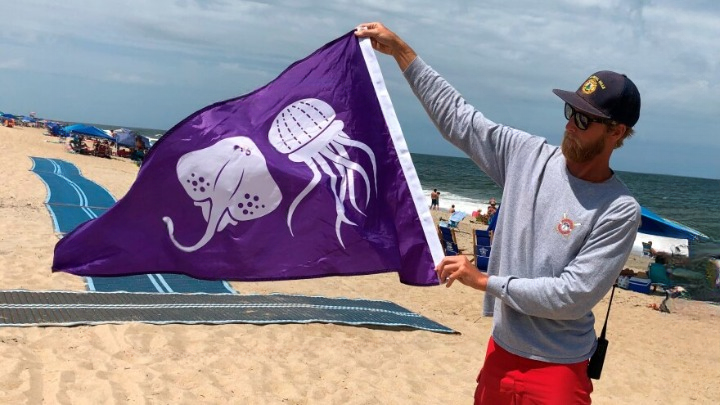
A purple flag is commonly used by beach safety authorities to indicate the presence of potentially hazardous marine life in the area.
Unlike weather-related warnings or flags that focus on wave conditions, a purple flag alerts visitors that certain ocean creatures have been spotted nearby. This does not necessarily mean the beach is closed or that entering the water is prohibited. Instead, it serves as an advisory that encourages increased awareness and caution.
Marine life warnings may be issued when lifeguards, local authorities, or marine monitoring teams observe creatures that could cause injury, irritation, or discomfort to swimmers and beachgoers.
The purpose of the purple flag is not to create fear but to promote informed decision-making and encourage visitors to pay closer attention to their surroundings.
Why Beaches Use Warning Flags
Beach warning systems exist because visual communication is one of the most effective ways to quickly inform large numbers of people about changing conditions.
Visitors may come from different regions, speak different languages, or be unfamiliar with local hazards. A simple color-coded flag system provides immediate information that can be understood by nearly everyone.
These systems help authorities:
- Communicate safety information quickly
- Reduce preventable injuries
- Encourage responsible behavior
- Support lifeguard operations
- Improve overall public safety
When beach visitors understand the meaning of different flags, they can make more informed choices regarding swimming, surfing, and other water activities.
Marine Life That May Trigger a Purple Flag
Various marine species can lead to the display of a purple flag. The specific reason depends on the location and the type of wildlife observed.
Jellyfish
One of the most common reasons for a purple flag is the presence of jellyfish.
Many jellyfish species are harmless, but some can cause painful stings that result in skin irritation, redness, or discomfort. During certain seasons, large groups of jellyfish may move closer to shore due to currents, water temperature changes, or weather patterns.
When lifeguards notice increased jellyfish activity, a purple flag may be raised to encourage swimmers to remain alert.
Stingrays
Stingrays often inhabit shallow coastal waters and are generally not aggressive. However, accidental encounters can occur when swimmers unknowingly step on them.
Many beach communities educate visitors about the “stingray shuffle,” a technique involving gently sliding feet across the sand while walking in shallow water. This movement helps alert stingrays and encourages them to move away.
Portuguese Man O’ War
Although often mistaken for jellyfish, Portuguese Man O’ War are different marine organisms known for their long tentacles and potentially painful stings.
Even specimens washed ashore may still cause irritation if touched. Beaches that observe these organisms frequently display marine life warnings.
Sea Lice
Sea lice are tiny marine organisms that can occasionally cause skin irritation among swimmers.
While not usually dangerous, encounters may result in discomfort or itching. Beach authorities may raise a purple flag when reports increase significantly.
Certain Fish Species
Some beaches may issue marine life advisories when schools of fish known for defensive behavior are observed close to shore.
Again, these warnings are precautionary and designed to increase awareness rather than create alarm.
Does a Purple Flag Mean the Water Is Unsafe?
Not necessarily.
A purple flag is generally considered a cautionary warning rather than a closure notice.
In many cases:
- Swimming remains permitted.
- Lifeguards remain on duty.
- Recreational activities continue.
- Visitors are simply encouraged to exercise additional caution.
However, local policies differ. Some beaches may implement additional restrictions depending on the type and concentration of marine life present.
For this reason, it is always wise to read posted notices and follow instructions provided by lifeguards.
The Importance of Listening to Lifeguards
Lifeguards are trained professionals who continuously monitor beach conditions.
They receive information from:
- Ocean observations
- Weather reports
- Marine wildlife sightings
- Public safety agencies
- Local environmental organizations
If a lifeguard advises caution, recommends avoiding a certain area, or provides instructions regarding marine life activity, their guidance should be taken seriously.
Their goal is not to prevent enjoyment but to help ensure visitors remain safe.
How Marine Life Benefits Ocean Ecosystems
When people hear about marine life warnings, they sometimes develop unnecessary fear of ocean creatures. In reality, most marine animals play valuable roles within their ecosystems.
Healthy marine environments depend on biodiversity.
Ocean wildlife contributes to:
- Food chain stability
- Water quality balance
- Ecosystem health
- Natural population control
- Habitat maintenance
The presence of marine life often indicates a functioning and healthy coastal ecosystem.
Understanding this perspective helps encourage respect rather than fear.
Safety Tips When a Purple Flag Is Flying
If you arrive at a beach displaying a purple flag, consider the following recommendations.
Stay Informed
Check nearby information boards and announcements.
Many beaches provide details about the specific marine life observed.
Observe the Water
Take a few moments to scan the shoreline before entering.
Look for unusual concentrations of marine organisms, floating objects, or warning signs.
Wear Protective Footwear
Water shoes may provide additional comfort and protection in areas where marine creatures are known to inhabit shallow waters.
Avoid Touching Wildlife
Never attempt to handle marine animals, even if they appear harmless or inactive.
Some species can cause irritation or injury when disturbed.
Supervise Children Closely
Children are naturally curious and may be tempted to investigate unfamiliar creatures along the shoreline.
Adult supervision helps ensure safe interactions with wildlife.
Follow Lifeguard Instructions
Always respect directions provided by beach personnel.
They have the most current information available.
Other Beach Flags You Should Know
Understanding all beach warning flags can improve overall safety awareness.
Green Flag
Generally indicates calm conditions and a relatively low hazard level.
Yellow Flag
Signals moderate surf or currents. Extra caution is advised.
Red Flag
Indicates dangerous water conditions.
Swimming may be discouraged or restricted.
Double Red Flag
Typically means the water is closed to the public.
Entering the water may be prohibited.
Black-and-White Checkered Flag
Often designates areas for surfing or specialized water sports.
Swimming may be restricted in these zones.
Seasonal Changes and Marine Life Activity
Marine wildlife patterns often change throughout the year.
Factors influencing activity include:
- Water temperature
- Ocean currents
- Seasonal migrations
- Food availability
- Storm activity
As a result, some beaches experience marine life advisories more frequently during specific seasons.
Understanding these natural cycles can help visitors better prepare for coastal trips.
Respecting Wildlife From a Distance
Responsible beach recreation includes respecting the natural environment.
Visitors can support marine conservation by:
- Avoiding littering
- Not disturbing wildlife
- Following local regulations
- Participating in beach cleanups
- Supporting conservation initiatives
Even small actions can contribute to healthier coastal ecosystems.
Common Myths About Purple Flags
Myth 1: A Purple Flag Means Sharks Are Nearby
Not necessarily.
A purple flag refers broadly to potentially hazardous marine life and does not automatically indicate the presence of sharks.
Myth 2: The Beach Is Closed
In many locations, beaches remain open when a purple flag is displayed.
The flag serves as a warning rather than an automatic closure.
Myth 3: Marine Life Is Always Dangerous
Most marine creatures prefer to avoid humans.
Warnings exist to encourage awareness, not fear.
Myth 4: Wildlife Should Be Removed
Marine animals belong in their natural habitats.
The goal is coexistence and safety, not removal whenever wildlife appears.
Teaching Children About Ocean Safety
Beach visits provide valuable opportunities to teach children about environmental awareness.
Parents can discuss:
- Respecting wildlife
- Following safety signs
- Listening to lifeguards
- Protecting natural habitats
- Practicing responsible recreation
These lessons promote both safety and environmental stewardship.
The Growing Importance of Beach Safety Education
As coastal tourism continues to grow worldwide, beach safety education becomes increasingly important.
More visitors mean greater interaction between people and marine environments.
Educational initiatives help reduce misunderstandings and encourage safer behavior while preserving natural ecosystems.
Many communities now invest heavily in public awareness campaigns, improved signage, and enhanced lifeguard training to support these goals.
Conclusion
A purple flag at the beach is an important safety signal that indicates the presence of potentially hazardous marine life nearby. Rather than serving as a cause for alarm, it functions as a reminder to stay informed, remain aware of your surroundings, and follow guidance from beach authorities.
Understanding what the flag means allows visitors to make smarter decisions while continuing to enjoy everything the coast has to offer. Whether the warning relates to jellyfish, stingrays, sea lice, or other marine species, awareness remains one of the most effective tools for staying safe.
The next time you notice a purple flag waving above the shoreline, take a moment to appreciate the balance between recreation and nature. The ocean is home to an incredible diversity of life, and learning how to coexist responsibly helps create safer and more enjoyable experiences for everyone.
By respecting marine wildlife, following safety recommendations, and staying informed about local conditions, beachgoers can enjoy memorable days by the water while helping preserve the beauty and health of coastal environments for future generations.