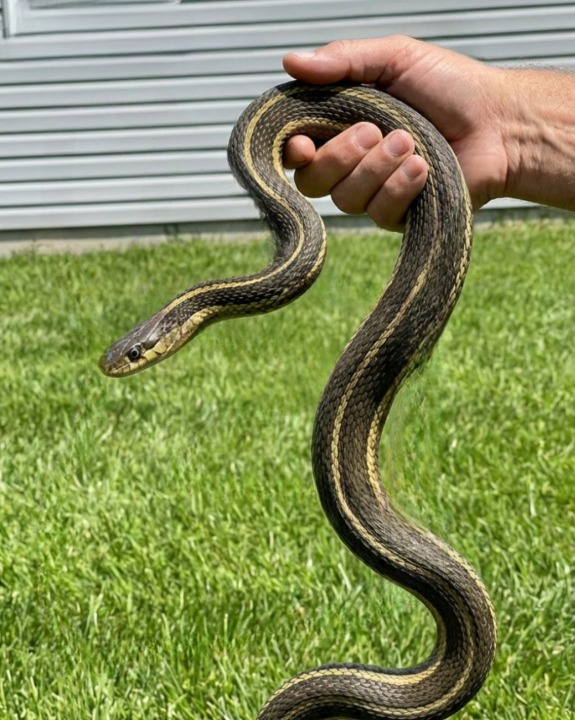
8 Practical and Pet-Friendly Ways to Discourage Snakes From Visiting Your Yard
For many homeowners, spending time outdoors is one of the best parts of having a yard. Whether you’re gardening, relaxing on the patio, playing with pets, or enjoying time with family, a comfortable outdoor space can greatly enhance everyday life.
Occasionally, however, wildlife may wander into residential areas. Among the visitors homeowners sometimes encounter are snakes.
While most snake species are non-aggressive and generally prefer avoiding people, many individuals would still rather not find them near decks, gardens, walkways, or play areas.
The good news is that there are several simple, humane, and effective ways to make your property less attractive to snakes without harming wildlife or disrupting the environment.
Understanding why snakes enter yards in the first place is the first step toward preventing unwanted encounters.
Why Snakes Visit Residential Properties
Snakes rarely enter yards randomly.
Like most wildlife, they are typically searching for three basic things:
- Food
- Shelter
- Water
If a yard provides these resources, it may become appealing to various types of wildlife.
For example:
- Tall grass offers cover.
- Rock piles create shelter.
- Standing water provides hydration.
- Rodents and insects create food sources.
By reducing these attractions, homeowners can significantly decrease the likelihood of snake activity around the property.
Understanding the Benefits of Snakes
Before discussing prevention strategies, it’s important to recognize that snakes play a valuable role in many ecosystems.
Many species help control populations of:
- Mice
- Rats
- Insects
- Other small pests
Because of this, snakes often contribute positively to natural environments.
The goal of snake prevention is not to harm wildlife.
Instead, it is to encourage snakes to remain in natural habitats rather than settling near homes and frequently used outdoor spaces.
1. Keep Grass Short and Well-Maintained
One of the simplest and most effective strategies is maintaining a tidy lawn.
Tall grass provides excellent cover for wildlife.
Snakes often prefer areas where they can move unnoticed and remain protected from predators.
Regular mowing can make a property less attractive by reducing available hiding places.
Benefits include:
- Improved visibility
- Fewer hiding areas
- Easier property inspections
- Enhanced overall appearance
Consistent lawn maintenance is often one of the most effective deterrents available.
Why Landscaping Matters
Many homeowners focus on flowers, shrubs, and decorative features without considering how landscaping affects wildlife activity.
Dense vegetation may create attractive hiding spots for various animals.
Maintaining a balance between beauty and practicality can help create a more comfortable outdoor environment.
Thoughtful landscaping supports both aesthetics and safety.
2. Remove Yard Clutter
Snakes often seek shelter beneath objects that provide shade and protection.
Common examples include:
- Lumber piles
- Unused building materials
- Large debris
- Stacked branches
- Old equipment
- Storage piles
Removing unnecessary clutter reduces potential shelter locations.
Regular yard cleanup also improves overall property maintenance and appearance.
A cleaner yard often discourages multiple types of unwanted wildlife.
3. Manage Rodent Activity
Food availability strongly influences wildlife behavior.
If rodents are present, predators may follow.
Many snakes feed on:
- Mice
- Rats
- Small mammals
Reducing rodent populations naturally decreases one of the primary reasons snakes may visit a property.
Helpful steps include:
- Securing trash containers
- Storing pet food properly
- Cleaning outdoor eating areas
- Eliminating food scraps
- Sealing potential rodent entry points
Addressing food sources often creates significant results.
The Connection Between Wildlife Species
Many homeowners focus only on the animal they see.
However, ecosystems are interconnected.
If one species finds ideal conditions, others may eventually appear as well.
Managing food sources and shelter helps create a more balanced outdoor environment overall.
4. Trim Shrubs and Low Vegetation
Dense ground cover can create shaded pathways and hiding areas.
Regular trimming helps improve visibility throughout the yard.
Focus on:
- Overgrown bushes
- Ground-cover plants
- Dense landscaping borders
- Vegetation near foundations
Creating open spaces around frequently used areas can discourage wildlife from lingering nearby.
This also makes it easier to notice activity before unexpected encounters occur.
5. Store Firewood Properly
Firewood stacks can provide excellent shelter for various animals.
To reduce attractiveness:
- Keep wood neatly stacked
- Elevate stacks off the ground
- Position firewood away from the home
- Regularly inspect storage areas
Proper storage practices help limit opportunities for wildlife to establish shelter.
This recommendation benefits overall property maintenance as well.
The Importance of Inspection
Many homeowners rarely inspect storage areas.
Periodic checks can identify issues before they become larger problems.
A quick inspection only takes a few minutes but can improve awareness of wildlife activity around the property.
6. Eliminate Standing Water
Like all animals, snakes require access to water.
Yards containing consistent moisture may attract various forms of wildlife.
Common sources include:
- Bird baths
- Leaky hoses
- Decorative water features
- Poor drainage areas
- Pet water bowls left overnight
While water features can enhance landscaping, proper maintenance is important.
Reducing unnecessary standing water can make a property less appealing.
7. Install Appropriate Barriers
In some situations, physical barriers may provide additional protection.
Specialized fencing can help reduce wildlife access to specific areas.
Examples include:
- Garden enclosures
- Pet play zones
- Children’s activity areas
When considering barriers, proper installation is essential.
The goal should be creating a practical boundary while preserving the overall appearance of the property.
Protecting Family Spaces
Areas frequently used by children and pets deserve particular attention.
Maintaining visibility, cleanliness, and organization helps create comfortable outdoor environments for everyone.
Preventive measures often provide peace of mind as well as practical benefits.
8. Encourage Natural Yard Maintenance
A well-maintained property naturally becomes less attractive to many forms of wildlife.
Simple habits include:
- Regular mowing
- Seasonal cleanup
- Proper storage
- Landscape maintenance
- Prompt repairs
Consistency is often more effective than dramatic interventions.
Small actions performed regularly can produce significant long-term results.
Pet Safety Considerations
Pet owners often have additional concerns about wildlife encounters.
Helpful practices include:
Supervise Outdoor Time
Monitor pets when possible, especially in unfamiliar areas.
Maintain Clear Walking Paths
Open pathways improve visibility.
Inspect the Yard Regularly
Routine inspections help identify potential issues early.
Keep Training Consistent
Reliable recall commands can be valuable in unexpected situations.
Most pet safety strategies overlap with general yard maintenance practices.
Common Myths About Snake Prevention
Numerous snake-repellent products and home remedies are marketed to homeowners.
However, not all claims are supported by reliable evidence.
When evaluating prevention methods:
- Focus on habitat modification
- Prioritize cleanliness and maintenance
- Avoid harmful chemicals
- Choose humane approaches
Creating an unattractive environment remains one of the most effective strategies available.
Why Humane Prevention Works Best
Wildlife management is most successful when it addresses behavior rather than relying on harmful measures.
Animals are naturally attracted to resources.
Removing those resources encourages them to seek alternative habitats.
This approach:
- Protects wildlife
- Protects pets
- Supports environmental balance
- Produces sustainable results
It’s often the most practical long-term solution.
Creating a More Enjoyable Outdoor Space
The benefits of these strategies extend beyond snake prevention.
Many recommendations also improve:
- Property appearance
- Lawn health
- Garden maintenance
- Pest management
- Outdoor comfort
As a result, homeowners often enjoy multiple advantages from the same efforts.
A tidy yard is generally more inviting for people and less inviting for unwanted wildlife.
Final Thoughts
Most snakes prefer avoiding human interaction and play important roles in natural ecosystems. Nevertheless, many homeowners appreciate taking steps to discourage wildlife from settling near homes, gardens, and outdoor living spaces.
Fortunately, effective prevention does not require drastic measures.
Simple practices such as mowing regularly, removing clutter, managing food sources, trimming vegetation, and maintaining outdoor areas can significantly reduce the likelihood of encounters.
The key is making your yard less attractive by reducing access to food, shelter, and water.
With consistent maintenance and thoughtful landscaping, you can create a comfortable outdoor environment that supports your family, your pets, and a healthy balance with the surrounding natural world.
In many cases, the best wildlife prevention strategy is also the simplest:
A clean, organized, and well-maintained yard.