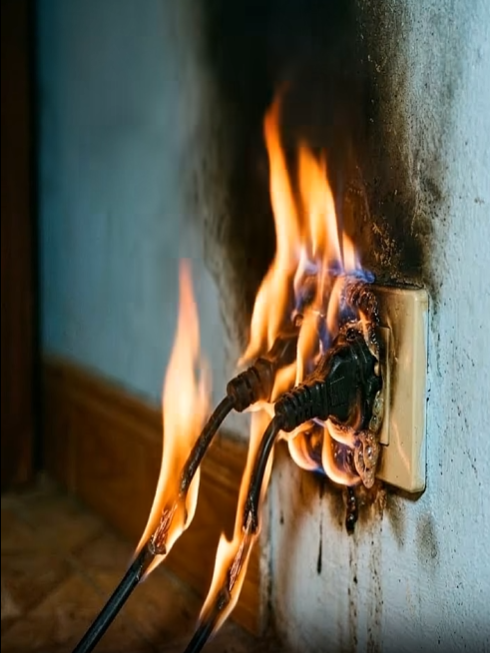
Most people think that once an appliance is turned off, it stops using electricity completely.
Surprisingly, that isn’t always the case.
Many modern devices continue drawing small amounts of power even when they appear to be turned off. This phenomenon is often called standby power or phantom energy use, and while the amount consumed by a single device may be small, multiple devices throughout a home can add up over time.
In addition to energy consumption, unplugging certain appliances when they’re not being used can help reduce unnecessary wear, protect electronics during power surges, and encourage safer household habits.
Of course, not every appliance should be unplugged. Refrigerators, freezers, medical equipment, and other essential devices are designed to remain connected. However, many common household items can safely be disconnected when not in use.
Here are five appliances and electronics you may want to consider unplugging after you’re finished using them.
1. Small Kitchen Appliances
Kitchen counters often contain several appliances that remain plugged in around the clock.
Examples include:
- Coffee makers
- Toasters
- Electric kettles
- Blenders
- Air fryers
- Slow cookers
Even when switched off, some of these devices may continue drawing a small amount of electricity.
Many modern appliances contain digital displays, clocks, memory settings, or electronic controls that require power to remain active.
Why Unplug Them?
There are several benefits:
- Reduce standby energy use
- Protect against power fluctuations
- Free up outlet space
- Encourage appliance longevity
For devices used only occasionally, unplugging after use may be a simple habit worth developing.
Extra Tip
Before cleaning any kitchen appliance, ensure it is unplugged and completely cooled according to the manufacturer’s instructions.
2. Phone and Device Chargers
Phone chargers are among the most commonly overlooked energy users in many homes.
Many people leave chargers plugged into outlets continuously—even when no phone, tablet, or other device is attached.
While a single charger typically uses only a very small amount of standby power, the combined effect of multiple chargers throughout a home can contribute to unnecessary energy consumption.
Why Unplug Them?
Benefits include:
- Reduce standby electricity use
- Keep outlets organized
- Reduce clutter
- Help protect charging equipment during electrical storms
A simple habit of unplugging chargers when they’re not needed can make a noticeable difference over time.
3. Entertainment Systems
Living rooms often contain several devices connected simultaneously.
Examples include:
- Televisions
- Gaming consoles
- Streaming devices
- Sound systems
- DVD or Blu-ray players
Many of these products never fully power down.
Instead, they enter standby mode so they can restart quickly when needed.
Hidden Energy Use
Standby mode is convenient, but convenience sometimes comes with a small energy cost.
Indicators such as:
- LED lights
- Digital clocks
- Network connections
- Instant-on features
may continue consuming electricity.
Why Unplug Them?
If you’re leaving home for an extended period or won’t use the equipment for several days, disconnecting certain devices may help reduce unnecessary energy use.
Using a surge-protected power strip can make the process easier.
With one switch, several devices can be disconnected at once.
4. Desktop Computers and Office Equipment
Home offices have become increasingly common in recent years.
Many people leave office equipment plugged in continuously, including:
- Desktop computers
- Monitors
- Printers
- Scanners
- Speakers
Even when powered down, some devices continue drawing electricity.
Why Unplug Them?
Potential benefits include:
- Reduced standby power consumption
- Protection from unexpected power surges
- Extended equipment life in some situations
For equipment used only occasionally, unplugging may be a practical option.
Important Note
Always follow proper shutdown procedures before disconnecting electronic devices.
Sudden power interruptions can potentially affect files or system settings.
5. Personal Care Appliances
Many personal care tools spend most of their lives plugged into bathroom outlets.
Examples include:
- Hair dryers
- Curling irons
- Hair straighteners
- Electric shavers
- Grooming devices
These appliances are often used briefly and then forgotten.
Why Unplug Them?
Disconnecting them can help:
- Improve safety
- Reduce unnecessary power use
- Protect equipment from power fluctuations
Many manufacturers recommend unplugging personal care devices after use as part of normal safety practices.
Understanding Standby Power
To better understand why unplugging matters, it’s helpful to know what standby power actually is.
Many modern electronics contain components that remain active even when the main function appears to be turned off.
Examples include:
- Clocks
- Memory systems
- Remote-control sensors
- Wi-Fi connections
- Software updates
These features provide convenience but may continue drawing electricity.
Individually, the amount is often small.
Collectively, multiple devices operating 24 hours a day can contribute to household energy usage.
Additional Benefits Beyond Energy Savings
While electricity consumption receives most of the attention, unplugging certain appliances can offer additional advantages.
Reduced Wear From Power Surges
Unexpected voltage fluctuations can affect electronics.
Disconnecting devices during severe storms or long absences may help reduce exposure to certain risks.
Improved Organization
Unplugging and storing appliances neatly can help reduce countertop clutter and create a cleaner appearance.
Greater Awareness of Energy Use
Developing mindful habits often leads to a better understanding of household energy consumption overall.
Appliances That Should Usually Remain Plugged In
It’s important to note that not everything should be unplugged.
Examples of devices typically intended to remain connected include:
- Refrigerators
- Freezers
- Internet equipment needed continuously
- Security systems
- Medical devices
- Essential smart-home equipment
Always consult manufacturer recommendations before unplugging any appliance.
Easy Ways to Build Better Energy Habits
If unplugging individual devices feels inconvenient, consider these strategies:
Use Smart Power Strips
These allow multiple devices to be controlled together.
Create a Routine
For example:
- Unplug kitchen appliances before bed.
- Disconnect office equipment after work.
- Store personal care appliances after use.
Label Frequently Used Outlets
Simple organization can make energy-saving habits easier to maintain.
Common Myths About Unplugging Appliances
Myth #1: Turned-Off Devices Use No Electricity
Some devices continue drawing small amounts of standby power.
Myth #2: Unplugging Everything Saves Huge Amounts Instantly
The savings from individual devices are often modest, but small improvements can accumulate over time.
Myth #3: Every Appliance Should Be Unplugged
Not true. Certain appliances are designed to remain connected continuously.
Why Small Habits Matter
Many homeowners focus on major upgrades when trying to improve energy efficiency.
While large projects can certainly help, small daily habits also contribute.
Simple actions performed consistently often make a meaningful difference over time.
Turning off lights.
Adjusting thermostats.
Using appliances efficiently.
And unplugging selected devices when they’re not needed.
These habits are easy to implement and require little investment.
Final Thoughts
Modern homes contain more electronics than ever before.
While these devices make life more convenient, they also create opportunities for unnecessary energy use when left connected continuously.
By developing thoughtful habits and unplugging certain appliances when they’re not being used, homeowners can reduce standby power consumption, help protect equipment, and become more mindful of household energy use.
The five categories worth considering include:
- Small kitchen appliances
- Device chargers
- Entertainment systems
- Office equipment
- Personal care appliances
You don’t need to unplug everything in your home.
But paying attention to the devices that don’t need constant power can be a simple step toward greater efficiency and peace of mind.