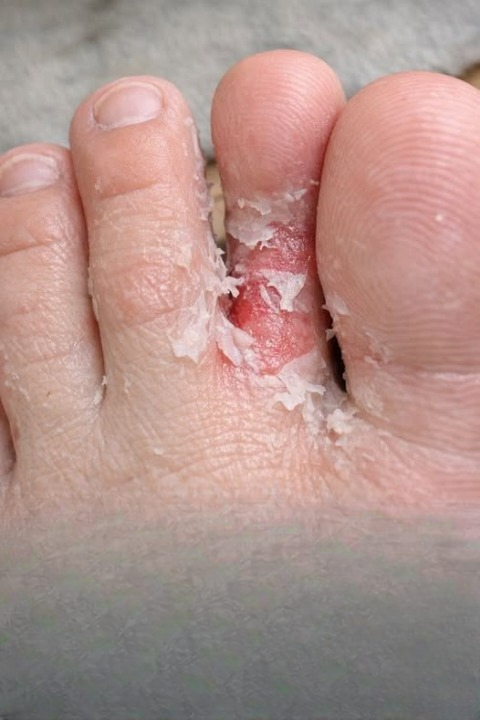
Foot discomfort is a common concern among active teenagers, particularly those who participate in sports, physical education programs, or recreational activities that require extended periods of time in athletic footwear. When symptoms such as peeling skin, itching, redness, or burning sensations develop between the toes, many parents initially assume the issue is related to sweating, friction, or temporary irritation.
However, these symptoms may sometimes be associated with athlete’s foot, a common fungal skin condition that affects millions of people worldwide each year. Although the condition is generally manageable and treatable, early recognition and proper care can help reduce discomfort and prevent the infection from spreading.
Understanding why athlete’s foot develops, how it affects the skin, and what treatment and prevention strategies are available can help families make informed decisions when addressing foot health concerns.
What Is Athlete’s Foot?
Athlete’s foot is a common fungal infection that affects the skin of the feet, particularly the areas between the toes.
The condition is medically known as tinea pedis and is caused by fungi that thrive in warm, moist environments.
These fungi naturally exist in many environments and can multiply when conditions become favorable.
Common places where fungal organisms may be present include:
- Locker rooms
- Community showers
- Swimming pool areas
- Gym floors
- Athletic facilities
- Shared changing rooms
Although the condition can affect people of all ages, active teenagers and athletes may experience a higher risk due to their activity levels and footwear habits.
Why Active Teenagers Are More Susceptible
Participation in sports often creates conditions that support fungal growth.
Athletic shoes, cleats, and sports equipment frequently expose feet to:
- Heat
- Moisture
- Friction
- Limited airflow
During practices, games, and workouts, feet may remain enclosed for extended periods.
When sweat accumulates inside socks and shoes, the environment becomes increasingly favorable for fungal organisms.
Several factors can contribute to increased risk:
Extended Use of Athletic Footwear
Wearing the same shoes for long periods without adequate drying time may allow moisture to remain trapped.
Frequent Sweating
Many teenagers naturally produce significant amounts of sweat during physical activity.
Shared Facilities
Locker rooms and communal shower areas may increase exposure to fungal organisms.
Minor Skin Irritation
Small cracks or abrasions in the skin can sometimes create opportunities for fungal growth.
Common Symptoms of Athlete’s Foot
Athlete’s foot may present differently from person to person.
Some individuals experience only mild symptoms, while others notice more significant discomfort.
Common signs may include:
Peeling Skin
Skin between the toes may appear flaky, cracked, or peeling.
Itching
Persistent itching is one of the most frequently reported symptoms.
Burning Sensations
Some individuals describe a mild burning or stinging feeling, especially after physical activity.
Redness
Affected areas may appear irritated or inflamed.
Dry or Scaly Skin
The skin may become rough or develop a powdery appearance.
Discomfort During Activity
Walking, running, or wearing tight footwear may increase irritation.
Because several skin conditions can produce similar symptoms, professional evaluation may be helpful when symptoms persist or worsen.
Understanding How the Infection Spreads
Fungal organisms associated with athlete’s foot can spread through direct or indirect contact.
Examples include:
- Walking barefoot in communal areas
- Sharing footwear
- Sharing towels
- Contact with contaminated surfaces
Once established, the infection may spread to nearby skin if left untreated.
This is one reason why early management is generally recommended.
The Role of Moisture
Moisture is one of the most important factors involved in athlete’s foot development.
Fungi typically thrive when:
- Skin remains damp
- Air circulation is limited
- Footwear retains moisture
- Socks become saturated with sweat
Keeping feet clean and dry can significantly reduce the likelihood of fungal growth.
For athletes, moisture management is often one of the most effective preventive strategies available.
Why Symptoms May Worsen During Sports Seasons
Many families notice that symptoms become more prominent during periods of increased athletic activity.
Sports seasons often involve:
- Daily practices
- Multiple games per week
- Extended time in athletic footwear
- Increased perspiration
As activity levels increase, conditions become more favorable for fungal growth.
This pattern explains why many cases develop or worsen during periods of intense training.
How Athlete’s Foot Is Diagnosed
Healthcare professionals often diagnose athlete’s foot through a physical examination.
During evaluation, a provider may:
- Review symptoms
- Examine affected skin
- Ask about sports participation
- Discuss recent activities
- Consider other possible causes
In some situations, additional testing may be performed to confirm the diagnosis and rule out other skin conditions.
Conditions That Can Resemble Athlete’s Foot
Several skin issues may produce symptoms similar to athlete’s foot.
Examples include:
Eczema
Certain forms of eczema can cause dryness, redness, and itching.
Contact Irritation
Skin may react to soaps, detergents, footwear materials, or other substances.
Dry Skin
Environmental conditions can sometimes lead to cracking and flaking.
Other Skin Conditions
Various dermatological concerns may mimic fungal infections.
Because appearances can overlap, professional guidance may be useful when symptoms are unclear.
Treatment Options
Most cases of athlete’s foot respond well to appropriate treatment.
Treatment recommendations vary depending on symptom severity and individual circumstances.
Topical Antifungal Products
Many cases can be managed using over-the-counter antifungal creams, sprays, powders, or ointments.
These products are designed to reduce fungal growth and support healing.
Prescription Treatments
In some situations, healthcare providers may recommend prescription medications if symptoms are extensive or persistent.
Consistent Use Matters
One of the most important aspects of treatment is following instructions consistently.
Stopping treatment too early may increase the chance of symptoms returning.
Supporting Recovery at Home
Several practical habits may help support recovery.
Keep Feet Clean
Gentle washing can help maintain healthy skin.
Dry Thoroughly
Pay particular attention to areas between the toes after bathing or exercise.
Change Socks Regularly
Fresh, dry socks can help reduce moisture buildup.
Allow Shoes to Air Out
Providing footwear adequate drying time may reduce fungal growth.
Rotate Athletic Shoes
Alternating between pairs allows moisture to evaporate more completely.
The Importance of Proper Footwear
Footwear choices can influence both prevention and recovery.
Features that may support foot health include:
- Breathable materials
- Proper fit
- Moisture-wicking properties
- Adequate ventilation
Some athletic shoes are specifically designed to improve airflow and reduce moisture accumulation.
Selecting appropriate footwear can be particularly beneficial for active individuals.
Prevention Strategies for Athletes
Preventing athlete’s foot often involves creating conditions that are less favorable for fungal growth.
Helpful strategies include:
Wear Clean Socks Daily
Fresh socks help reduce moisture retention.
Use Moisture-Wicking Materials
Certain fabrics move sweat away from the skin more effectively.
Avoid Sharing Personal Items
Shoes, socks, and towels should generally remain personal.
Wear Protective Footwear in Shared Areas
Flip-flops or shower shoes may reduce exposure in communal environments.
Maintain Good Hygiene
Regular foot care supports overall skin health.
Why Early Attention Can Be Helpful
Addressing symptoms early often simplifies management.
Mild cases may respond more quickly when treatment begins before symptoms become extensive.
Prompt attention may also reduce:
- Discomfort during sports
- Risk of spreading
- Interruption of athletic participation
- Ongoing irritation
Parents and athletes who notice persistent symptoms should consider discussing concerns with a healthcare professional.
Common Questions From Parents
Can My Child Continue Sports Activities?
Many individuals with athlete’s foot can continue participating in sports while receiving treatment.
However, following treatment recommendations and hygiene practices remains important.
Is Athlete’s Foot Serious?
Most cases are manageable and respond well to appropriate care.
Can It Return?
Recurrence is possible if moisture and environmental conditions remain favorable.
Consistent prevention strategies can help reduce future risk.
Is It Contagious?
Fungal organisms can spread under certain circumstances, which is why hygiene and prevention measures are recommended.
Supporting Overall Foot Health
Healthy feet are essential for athletic performance, comfort, and daily activities.
Simple habits can make a significant difference:
- Keeping feet clean
- Wearing properly fitting shoes
- Managing moisture
- Inspecting skin regularly
- Addressing symptoms promptly
These practices not only reduce the risk of athlete’s foot but also support overall foot wellness.
When to Seek Professional Advice
Although many mild cases improve with basic treatment measures, medical evaluation may be appropriate if:
- Symptoms persist
- Symptoms worsen
- Significant discomfort develops
- Skin becomes increasingly irritated
- Over-the-counter approaches are ineffective
Healthcare professionals can provide individualized recommendations based on specific circumstances.
The Connection Between Sports and Skin Health
Athletes often focus heavily on training, nutrition, and performance while paying less attention to skin health.
However, skin acts as an important protective barrier.
Maintaining healthy skin can help support:
- Comfort during activity
- Reduced irritation
- Better hygiene
- Lower risk of certain infections
For active teenagers, foot care should be considered an important component of overall athletic wellness.
Conclusion
Peeling skin, itching, burning sensations, and discomfort between the toes are symptoms that many active teenagers may experience at some point. While these signs can sometimes result from simple irritation or dryness, they may also indicate athlete’s foot, a common fungal condition that thrives in warm and moist environments.
Fortunately, athlete’s foot is generally manageable with proper treatment, consistent hygiene practices, and attention to moisture control. By understanding the causes, recognizing symptoms early, and adopting preventive habits, athletes and their families can help support healthy feet throughout sports seasons and beyond.
Ultimately, maintaining good foot care habits is an important part of overall health and athletic performance. With the right approach, most individuals can continue enjoying their favorite activities while keeping their feet comfortable, healthy, and ready for action.