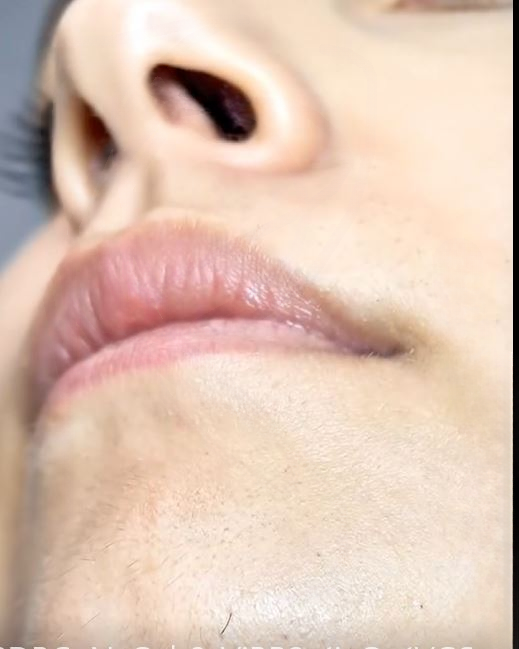
Why Small Chin Hairs May Become More Noticeable Over Time: Understanding a Common and Often Normal Change
Many people pay little attention to facial hair until they unexpectedly notice a new hair appearing in an area where they rarely saw one before. It might happen while applying skincare products, checking makeup, shaving, or simply glancing in the mirror. A single dark chin hair appears seemingly overnight, catching attention because it stands out from the surrounding skin.
At first, it may seem unusual. Then, over time, another appears. Eventually, what seemed like an isolated occurrence becomes something many people realize is surprisingly common.
Although the topic is rarely discussed openly, the appearance of small chin hairs is a normal experience for countless adults. In many cases, these changes are influenced by natural biological processes, age-related shifts, genetics, and hormone fluctuations that occur throughout life.
Understanding why these hairs appear, what factors may contribute to their growth, and when professional guidance may be helpful can provide reassurance and help individuals make informed decisions about personal care.
A Common Yet Frequently Overlooked Experience
Facial hair growth is often associated with men, but women naturally have facial hair as well.
Most facial hair is:
- Fine
- Light-colored
- Soft
- Barely noticeable
These tiny hairs, known as vellus hairs, cover much of the body and are typically difficult to see.
However, under certain circumstances, some hair follicles may begin producing thicker or darker hairs known as terminal hairs.
When this occurs on the chin, upper lip, jawline, or neck, the change can seem sudden even though the process may have been developing gradually over time.
Why Facial Hair Changes Throughout Life
Hair growth is influenced by numerous biological factors.
These include:
- Genetics
- Age
- Hormones
- Individual sensitivity of hair follicles
- Overall health
- Natural developmental changes
Because these factors vary from person to person, facial hair patterns can differ significantly among individuals.
What is considered normal for one person may look entirely different for another.
Understanding Hair Follicles
Every hair on the body grows from a structure known as a hair follicle.
Hair follicles are remarkably responsive to hormonal signals.
Throughout life, these follicles may change how they function.
Some follicles become less active.
Others become more active.
Certain follicles that previously produced fine hairs may begin producing thicker or darker strands.
This gradual transition explains why a person may notice new facial hairs despite never having experienced them earlier in life.
The Role of Hormones
Hormones play a significant role in regulating hair growth.
Both men and women naturally produce a variety of hormones that influence:
- Hair texture
- Hair thickness
- Hair growth patterns
- Hair distribution
Even relatively small hormonal fluctuations may affect how individual hair follicles behave.
These changes often occur naturally during different stages of life.
Age-Related Changes
One of the most common reasons people notice chin hairs later in life involves normal aging.
As the body ages, hormone levels naturally shift.
These changes can influence:
- Skin
- Hair
- Metabolism
- Body composition
Many adults report noticing facial hair changes during middle adulthood and beyond.
This does not necessarily indicate a medical problem.
In many cases, it reflects normal biological aging processes.
Genetics and Family History
Genetics strongly influence hair growth patterns.
Family history may affect:
- Hair color
- Hair thickness
- Hair density
- Facial hair tendencies
If parents, grandparents, or siblings experienced similar changes, genetics may play a significant role.
Many people discover that facial hair patterns run in families.
Understanding family history can often provide helpful context for changes that occur over time.
Why Chin Hairs Often Feel Different
One reason chin hairs attract attention is that they frequently feel different from surrounding facial hair.
They may appear:
- Thicker
- Coarser
- Darker
- More noticeable
Because these hairs contrast with finer facial hairs, they often stand out even when only a few are present.
The difference is related to how specific follicles respond to hormonal influences and growth cycles.
Hair Growth Cycles Explained
Hair does not grow continuously.
Instead, it progresses through several phases.
Growth Phase
During this period, hair actively grows.
Transition Phase
Growth slows and prepares to stop temporarily.
Resting Phase
The hair remains in place before eventually shedding.
Renewal Phase
A new growth cycle begins.
Because follicles operate independently, hair growth patterns can appear unpredictable.
This helps explain why some chin hairs seem to reappear repeatedly.
Lifestyle Factors That May Influence Hair Growth
Although genetics and hormones are major influences, lifestyle factors may also affect overall hair health.
Examples include:
Nutrition
Hair follicles rely on nutrients to support normal growth.
Stress Management
Periods of significant stress can influence various biological processes, including hair-related changes.
Sleep
Healthy sleep patterns support overall wellness and bodily functions.
Physical Activity
Regular exercise contributes to overall health and hormonal balance.
While these factors do not necessarily cause chin hairs directly, they may influence broader aspects of health that affect hair growth.
Why Some Changes Become More Noticeable With Time
Many people wonder why they suddenly notice facial hair after years without concerns.
Often, the change is not truly sudden.
Instead:
- Hair follicles gradually become more active.
- Individual hairs become slightly thicker over time.
- Visibility increases incrementally.
Eventually, a hair becomes noticeable enough to attract attention.
The process may have been occurring for months or even years before reaching that point.
Common Hair Removal Options
Individuals who prefer to manage chin hair have several options available.
Personal preference largely determines which approach feels most comfortable.
Tweezing
A common method for removing individual hairs.
Trimming
Allows for quick maintenance without removing the hair entirely.
Waxing
Removes multiple hairs simultaneously.
Threading
A technique often used for facial hair management.
Professional Treatments
Certain cosmetic procedures may provide longer-lasting results.
Each method has advantages and considerations, and preferences vary significantly from person to person.
Is It Harmful to Remove Chin Hairs?
A common myth suggests that removing facial hair causes it to grow back thicker.
However, hair removal does not change the structure of the follicle itself.
When hair regrows after trimming or shaving, the blunt edge may make it feel coarser temporarily, but the follicle’s characteristics generally remain unchanged.
Individuals can choose hair management methods based on comfort, convenience, and personal preference.
The Emotional Side of Appearance Changes
Physical changes often carry emotional significance.
Even common and normal changes can influence:
- Self-confidence
- Body image
- Personal routines
- Perceptions of aging
It is important to remember that many appearance-related changes occur naturally throughout life.
Developing realistic expectations and maintaining a healthy perspective can help reduce unnecessary concern.
When Professional Guidance May Be Helpful
Although occasional chin hairs are often normal, there are situations where medical guidance may be beneficial.
Consider speaking with a healthcare professional if facial hair changes:
- Appear suddenly
- Increase rapidly
- Occur alongside other unexpected physical changes
- Cause significant concern
- Interfere with quality of life
A healthcare provider can evaluate individual circumstances and determine whether additional assessment is appropriate.
The Importance of Self-Acceptance
Modern beauty standards often create unrealistic expectations regarding appearance.
In reality, human bodies naturally change over time.
Skin changes.
Hair changes.
Body composition changes.
These experiences are part of normal life.
Recognizing that many people share similar experiences can help foster greater self-acceptance and confidence.
Social Media and Appearance Expectations
Social media platforms frequently showcase highly edited or carefully curated images.
As a result, normal experiences such as facial hair growth may seem less common than they actually are.
In reality, countless individuals experience:
- Chin hairs
- Gray hairs
- Skin texture changes
- Age-related appearance shifts
Open conversations about these topics help normalize experiences that are far more widespread than many people realize.
Understanding Hormonal Life Stages
Throughout life, the body experiences several phases that may influence hair growth patterns.
These include:
- Adolescence
- Early adulthood
- Midlife transitions
- Later adulthood
Each stage involves natural biological changes.
As hormone levels fluctuate over time, hair follicles may respond differently than they did in earlier years.
These responses are often part of normal physiology.
Why Comparisons Can Be Misleading
Comparing oneself to others rarely provides an accurate picture of what is normal.
Hair growth patterns vary based on:
- Genetics
- Ethnicity
- Age
- Hormonal sensitivity
- Individual biology
Two people of the same age may have completely different experiences regarding facial hair.
Variation is normal and expected.
Supporting Healthy Skin and Hair
Although hair growth patterns are largely determined by biology, maintaining overall wellness can support healthy skin and hair.
Helpful habits include:
- Eating a balanced diet
- Staying hydrated
- Managing stress
- Getting sufficient sleep
- Protecting skin from excessive sun exposure
- Following a consistent skincare routine
These habits contribute to overall well-being and healthy aging.
Embracing Natural Changes
One of the most valuable lessons many people learn is that aging involves continual change.
Rather than viewing every physical change as a problem, it can be helpful to see these experiences as part of the body’s natural evolution.
The appearance of a few chin hairs does not define beauty, confidence, or personal worth.
They are simply one of many common changes that individuals may encounter throughout life.
Conclusion
Discovering a new chin hair can feel surprising, especially when it appears unexpectedly. However, small facial hair changes are an extremely common experience influenced by factors such as genetics, age, hormones, and individual hair follicle activity.
For many people, occasional chin hairs represent a normal part of the body’s natural development and aging process. While some individuals choose to remove them and others prefer to leave them alone, there is no single right approach. Personal comfort and preference remain the most important considerations.
Understanding the biological reasons behind these changes can help replace uncertainty with confidence and perspective. Ultimately, recognizing that these experiences are common and often completely normal allows people to approach them with greater understanding and self-acceptance.
As with many aspects of health and appearance, knowledge is often the best tool for reducing unnecessary concern and promoting a positive relationship with the natural changes that occur throughout life.