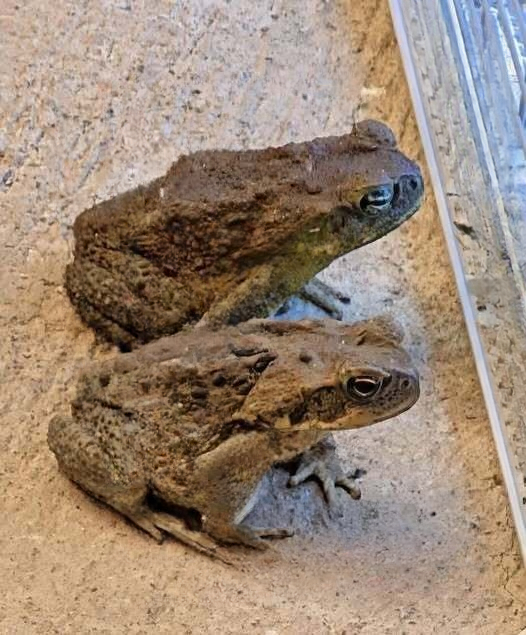
A Small Visitor That Often Arrives for a Very Practical Reason
Discovering a toad near your front door, tucked beside a flowerpot, or resting in a shaded corner of your yard can be an unexpected sight. For many people, the first reaction is surprise. After all, most of us don’t expect to encounter wildlife so close to our homes.
Yet the presence of a toad is usually far less mysterious than it may seem.
Rather than being a sign of anything unusual, a toad is often responding to the same needs shared by many living creatures: shelter, food, water, and safety.
These quiet amphibians have been part of ecosystems for millions of years, and their occasional appearance around homes often indicates that the surrounding environment offers conditions they find attractive.
Instead of viewing them as unwanted visitors, it may be worth taking a closer look at the valuable role they play in local ecosystems and why many gardeners and nature enthusiasts are happy to see them nearby.
Understanding Toad Behavior
Toads belong to a group of amphibians that are found throughout much of the world.
Although they are often confused with frogs, toads have several characteristics that distinguish them.
Generally, toads have:
- Drier, bumpier skin
- Shorter legs
- Stockier bodies
- A preference for spending more time on land
Unlike many frog species, toads can tolerate environments farther from water sources, although they still require moisture to survive.
Their behavior is largely driven by practical needs rather than random wandering.
When a toad appears near a home, it is typically searching for favorable conditions that support its survival.
Why Toads Are Drawn to Residential Areas
Modern homes and gardens can unintentionally create ideal habitats for toads.
Several features often attract them:
Shade
Toads prefer cool environments that protect them from excessive heat and drying.
Common hiding spots include:
- Under decks
- Beneath shrubs
- Behind flowerpots
- Under outdoor furniture
- Near garden beds
Moisture
Because amphibians rely on moisture for many biological processes, damp areas are especially attractive.
Examples include:
- Garden irrigation zones
- Mulched flower beds
- Shaded lawns
- Areas near air conditioning drainage
Food Sources
Where insects gather, toads often follow.
Outdoor lighting can attract insects during the evening, creating convenient feeding opportunities for nearby toads.
Nature’s Built-In Pest Control System
One of the most valuable contributions toads make involves insect control.
Toads are efficient predators that consume a variety of small invertebrates.
Their diet may include:
- Mosquitoes
- Flies
- Beetles
- Ants
- Moths
- Slugs
- Small insects commonly found in gardens
A healthy toad population can help reduce the number of insects in an area naturally.
For gardeners, this makes toads particularly welcome visitors.
Rather than relying solely on chemical solutions, many people appreciate the assistance provided by wildlife that naturally contributes to ecological balance.
Why Gardeners Often Welcome Toads
Experienced gardeners frequently view toads as beneficial additions to their outdoor spaces.
This appreciation stems from the role toads play within local ecosystems.
Benefits may include:
- Natural insect management
- Reduced pest populations
- Support for biodiversity
- Contribution to ecological balance
Because they feed on many insects that can damage plants, toads often become valuable allies in maintaining healthy gardens.
Their presence can be an indicator that a garden supports a variety of wildlife and natural processes.
The Difference Between Toads and Frogs
Many people use the terms “frog” and “toad” interchangeably, but there are important distinctions.
Frogs
Typically have:
- Smooth skin
- Long legs
- Strong jumping ability
- Greater dependence on water
Toads
Typically have:
- Rougher skin
- Shorter legs
- More terrestrial lifestyles
- Greater tolerance for drier environments
Both play important ecological roles, but their behavior and habitat preferences often differ.
Understanding these differences can help explain why a toad might be found farther from ponds or streams than a frog.
Are Toads Dangerous?
For most people, toads pose very little risk.
They are generally non-aggressive animals that prefer avoiding conflict whenever possible.
When threatened, a toad’s primary defense is usually to remain still or move away slowly.
Some species produce defensive skin secretions designed to discourage predators.
For this reason, it is generally recommended to:
- Avoid unnecessary handling
- Wash hands after contact
- Supervise pets around unfamiliar wildlife
These simple precautions help protect both people and animals.
Most encounters with toads are entirely harmless.
Why Toads Often Appear at Night
Many people notice toads during evening hours.
This is because toads are largely nocturnal.
Nighttime offers several advantages:
- Cooler temperatures
- Increased humidity
- Reduced risk of dehydration
- Greater insect activity
As darkness falls, toads emerge from hiding places to feed and explore.
This behavior explains why homeowners frequently encounter them near porch lights, patios, and garden paths after sunset.
The Ecological Importance of Amphibians
Amphibians play a critical role in many ecosystems.
They serve as both:
Predators
Helping regulate insect populations.
Prey
Providing food for birds, mammals, reptiles, and other wildlife.
Because amphibians are sensitive to environmental changes, scientists often study their populations as indicators of ecosystem health.
Healthy amphibian communities can suggest:
- Good water quality
- Balanced habitats
- Biodiversity
- Stable environmental conditions
Their presence is often viewed as a positive sign.
Cultural Symbolism and Folklore
Throughout history, toads have appeared in myths, folklore, and cultural traditions around the world.
Different societies have associated toads with:
- Transformation
- Adaptability
- Renewal
- Prosperity
- Good fortune
- Fertility
While these interpretations vary widely and are based on cultural beliefs rather than scientific evidence, they demonstrate how deeply these animals have influenced human imagination.
The symbolic meaning of a toad often depends on local traditions and personal perspectives.
Why Wildlife Sometimes Enters Homes
Occasionally, a toad may wander into a garage, basement, patio enclosure, or other structure.
This usually happens accidentally.
Possible reasons include:
- Searching for moisture
- Following insects
- Seeking shelter from weather
- Exploring nearby habitats
In most cases, the animal simply needs assistance finding its way back outdoors.
A calm and gentle approach is usually the best solution.
What to Do If You Find a Toad Indoors
If a toad enters your home, there is generally no need for alarm.
Consider these simple steps:
Stay Calm
Toads are not interested in interacting with people.
Guide It Outside
If possible, gently encourage it toward an exit.
Use a Container
A container can be used to carefully relocate the animal outdoors if necessary.
Release It Nearby
Place the toad in a shaded, protected area close to where it was found.
This approach minimizes stress on the animal while helping it return to a suitable habitat.
Creating Wildlife-Friendly Outdoor Spaces
Many homeowners enjoy creating landscapes that support local wildlife.
Toads benefit from features such as:
- Native plants
- Garden beds
- Mulch
- Ground cover
- Shallow water sources
- Reduced pesticide use
These features provide food, shelter, and protection for a variety of beneficial species.
Wildlife-friendly gardens can support biodiversity while enhancing the natural beauty of outdoor spaces.
Common Myths About Toads
Several misconceptions about toads persist despite scientific evidence.
Myth: Toads Are Aggressive
Reality: Toads generally avoid confrontation.
Myth: Toads Seek Out Human Homes
Reality: They are usually attracted by environmental conditions such as moisture and food.
Myth: All Toads Are Harmful
Reality: Most species play beneficial ecological roles and coexist peacefully with people.
Myth: Toads Damage Gardens
Reality: They often help gardeners by consuming insects and other small pests.
Understanding these facts can help replace fear with appreciation.
Why Biodiversity Matters
The presence of creatures such as toads highlights the importance of biodiversity.
Healthy ecosystems depend on a wide variety of organisms working together.
Each species contributes in different ways.
Toads help:
- Control insect populations
- Support food webs
- Maintain ecological balance
Even small animals can have meaningful impacts on their environments.
Protecting biodiversity benefits both wildlife and people.
Appreciating the Wildlife Around Us
Modern life often creates distance between people and nature.
Yet wildlife continues to exist all around us.
A toad resting beneath a flowerpot or sitting quietly beside a garden path serves as a reminder that human environments frequently overlap with natural ones.
These encounters provide opportunities to learn about the living world and appreciate the diversity of species that share our surroundings.
Final Thoughts
Finding a toad near your home may initially be surprising, but in most cases it is simply a sign that the environment offers the moisture, shelter, and food the animal needs to survive. Far from being a nuisance, toads play an important role in ecosystems by helping control insect populations and contributing to ecological balance.
Their presence often reflects healthy outdoor conditions and can even benefit gardens by reducing certain pests naturally. While folklore and cultural traditions have attached many symbolic meanings to toads throughout history, their real-world value lies in the ecological services they quietly provide every day.
The next time you spot a toad resting in a shaded corner of your yard, consider viewing it not as an unwelcome intruder, but as a fascinating example of the wildlife that continues to thrive alongside us. Sometimes the most interesting visitors are the ones we least expect—and the smallest creatures often have the biggest stories to tell.