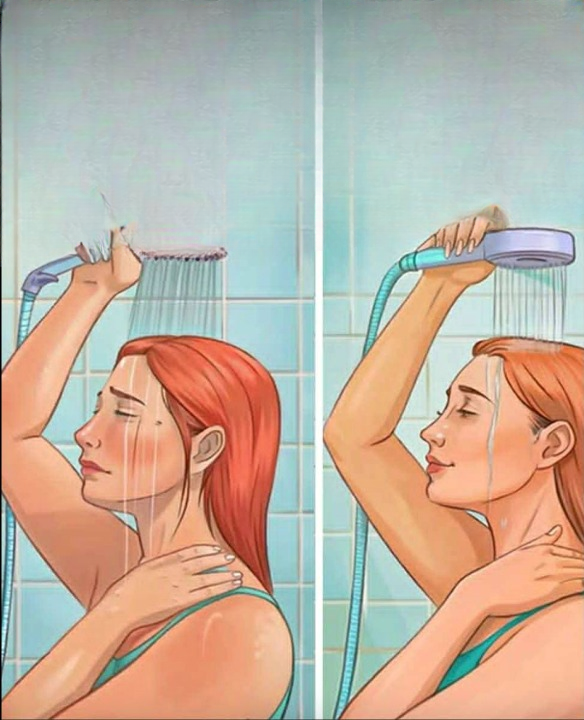
Why More Washing Isn’t Always Better
For many people, stepping into a warm shower after a long day is one of life’s simplest pleasures. The sensation of warm water, the calming sound of running water, and the feeling of washing away the day’s activities can provide both physical comfort and mental relaxation.
In many parts of the world, particularly in modern urban environments, daily bathing has become a standard part of personal hygiene. For some individuals, showering every day feels as natural as brushing their teeth or getting dressed in the morning.
However, dermatologists and skin-health experts have increasingly emphasized that cleanliness and skin health are not always achieved through more frequent washing. In fact, emerging research suggests that excessive bathing—especially when combined with very hot water and harsh cleansing products—may interfere with some of the skin’s natural protective functions.
This does not mean people should avoid bathing or neglect personal hygiene. Instead, experts encourage a more balanced approach that considers factors such as skin type, activity level, climate, age, and overall health.
Understanding how the skin functions can help explain why moderation often plays an important role in maintaining healthy skin.
The Skin: Your Body’s Largest Organ
Many people think of skin primarily as an outer covering.
In reality, skin is a highly sophisticated organ that performs numerous essential functions.
The skin helps:
- Protect the body from environmental irritants
- Regulate temperature
- Retain moisture
- Support immune function
- Provide sensory information
- Act as a barrier against harmful substances
Every day, the skin works continuously to maintain a healthy balance between protection and adaptation.
This balance depends on several natural systems functioning together.
The Role of Natural Skin Oils
One of the skin’s most important protective mechanisms involves the production of natural oils, commonly known as sebum.
Sebum helps:
- Maintain moisture
- Prevent excessive dryness
- Support skin flexibility
- Protect the skin barrier
These oils form a thin protective layer on the skin’s surface.
When bathing removes too much of this natural oil repeatedly, some individuals may experience:
- Dryness
- Tightness
- Flaking
- Increased sensitivity
The effect varies from person to person, but maintaining an appropriate balance of natural oils is important for skin health.
Understanding the Skin Barrier
The outermost layer of the skin is often referred to as the skin barrier.
This barrier functions like a protective shield.
Its responsibilities include:
- Reducing moisture loss
- Blocking environmental irritants
- Supporting skin resilience
- Helping maintain overall skin health
When the barrier remains healthy, skin is often better able to perform its protective functions.
Excessive washing, particularly with harsh cleansers or very hot water, may contribute to temporary disruption of this barrier in some individuals.
The Skin Microbiome: A Hidden Ecosystem
One of the most fascinating discoveries in modern dermatology involves the skin microbiome.
The skin naturally hosts communities of microorganisms, including beneficial bacteria that coexist with the human body.
These microorganisms play important roles in:
- Supporting skin balance
- Competing with unwanted microbes
- Interacting with immune processes
- Maintaining overall skin health
The relationship between humans and these microscopic communities is complex and continues to be studied by researchers.
Frequent cleansing does not eliminate all microorganisms, but excessive washing may influence the balance of this natural ecosystem.
Why Hot Water Can Affect Skin Health
Many people enjoy very hot showers, particularly during colder months.
While warm water can feel soothing, extremely hot water may have effects on the skin.
Potential concerns include:
- Increased dryness
- Removal of natural oils
- Temporary irritation
- Skin tightness after bathing
For individuals prone to dry or sensitive skin, dermatologists often recommend using warm rather than excessively hot water.
This simple adjustment may help preserve moisture while still allowing effective cleansing.
Not Everyone Needs the Same Bathing Routine
One important point emphasized by health professionals is that there is no universal bathing schedule that works for everyone.
Ideal bathing frequency depends on factors such as:
Activity Level
People who exercise regularly or work in physically demanding environments may require more frequent cleansing.
Climate
Hot and humid conditions may increase sweating and influence bathing habits.
Skin Type
Individuals with oily skin often have different needs than those with dry or sensitive skin.
Age
Children, adults, and older individuals may have different skin characteristics.
Medical Conditions
Certain skin conditions may require specific hygiene recommendations from healthcare providers.
Because these factors vary significantly, personal routines should reflect individual needs.
The Difference Between Cleanliness and Overwashing
Maintaining cleanliness is important.
However, cleanliness does not necessarily require aggressive or excessive washing.
Experts often distinguish between:
Effective Hygiene
Removing dirt, sweat, and unwanted substances while maintaining skin health.
Overwashing
Cleansing so frequently or aggressively that it may contribute to dryness or irritation.
The goal is not less hygiene.
The goal is appropriate hygiene.
Finding the right balance can help support both comfort and skin function.
Common Signs of Dry Skin
Some individuals may notice symptoms that suggest their skin is becoming overly dry.
Possible signs include:
- Flaking
- Rough texture
- Tightness
- Itching
- Increased sensitivity
These symptoms can result from multiple factors, including:
- Weather
- Indoor heating
- Environmental conditions
- Personal care products
- Bathing habits
If symptoms persist or become severe, consulting a healthcare professional may be beneficial.
Choosing Gentle Cleansing Products
The type of cleanser used can be just as important as bathing frequency.
Some products are formulated to:
- Preserve moisture
- Support sensitive skin
- Minimize irritation
When selecting cleansing products, consumers often look for options that:
- Match their skin type
- Avoid unnecessary harsh ingredients
- Provide gentle cleansing
Not every product works equally well for every individual.
Personal preferences and skin characteristics should guide product selection.
The Importance of Moisturizing
Moisturizers help support the skin’s ability to retain water.
After bathing, applying moisturizer may help:
- Reduce dryness
- Improve comfort
- Support skin barrier function
- Enhance skin softness
Many dermatologists recommend moisturizing shortly after bathing while the skin is still slightly damp.
This approach can help lock in moisture more effectively.
How Seasons Affect Skin
Skin needs often change throughout the year.
Winter
Cold temperatures and indoor heating may contribute to dryness.
Summer
Increased sweating may lead to more frequent bathing.
Spring and Fall
Changing weather conditions may require adjustments to skincare routines.
Paying attention to seasonal changes can help individuals adapt their habits accordingly.
The Relationship Between Hygiene and Health
Personal hygiene plays an important role in health and social well-being.
Regular bathing can help:
- Remove sweat
- Reduce odors
- Improve comfort
- Support cleanliness
At the same time, health professionals emphasize that more frequent washing does not always provide additional benefits.
The key is developing routines that support both hygiene and skin health.
Myths About Bathing Frequency
Several misconceptions surround personal hygiene.
Myth: Everyone Must Shower Daily
Reality: Individual needs vary based on lifestyle, climate, and skin type.
Myth: Hotter Water Cleans Better
Reality: Extremely hot water may increase skin dryness without necessarily improving cleanliness.
Myth: More Soap Always Means Better Hygiene
Reality: Gentle cleansing is often sufficient for maintaining cleanliness.
Myth: Dry Skin Is Always Caused by Weather
Reality: Multiple factors, including bathing habits and skincare products, may contribute.
Understanding these distinctions can help people make informed decisions.
Practical Tips for Maintaining Healthy Skin
Experts often recommend simple strategies such as:
- Using warm water instead of very hot water
- Choosing gentle cleansers
- Moisturizing after bathing
- Staying hydrated
- Adjusting routines based on seasons
- Paying attention to individual skin needs
These habits can support comfort while helping maintain healthy skin.
Why Balance Matters
The human body possesses remarkable systems designed to maintain equilibrium.
The skin continuously works to:
- Protect
- Repair
- Adapt
- Regulate
Supporting these functions often requires balance rather than extremes.
Just as inadequate hygiene can create challenges, excessive cleansing may also have unintended effects for some individuals.
The goal is not perfection.
It is consistency and moderation.
Final Thoughts
Bathing remains an important part of personal hygiene and daily comfort for millions of people. However, modern dermatology increasingly recognizes that skin health involves more than simply washing as often as possible. The skin is a complex organ supported by natural oils, protective barriers, and beneficial microbial communities that help maintain balance.
While personal needs vary, experts generally encourage a thoughtful approach to bathing that takes individual circumstances into account. Factors such as climate, activity level, skin type, and overall health all play important roles in determining what routine works best.
Rather than viewing cleanliness and skin health as competing goals, it is more accurate to see them as complementary priorities. By using gentle products, avoiding unnecessarily harsh practices, and paying attention to the skin’s needs, individuals can support both hygiene and long-term skin wellness.
Sometimes the healthiest approach is not doing more—it is finding the balance that allows the body to function as it was designed to do.