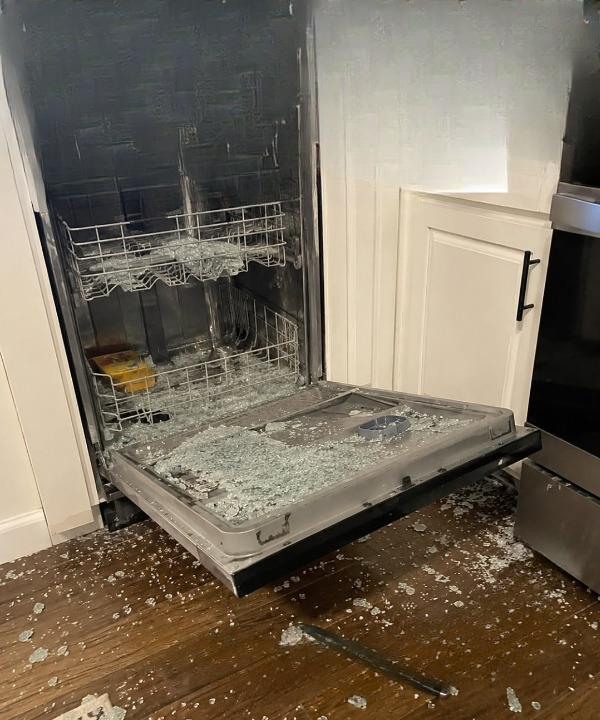
Dishwashers have become one of the most valuable appliances in modern homes. They save time, reduce manual effort, and often use water more efficiently than washing dishes by hand. For busy families and individuals alike, the convenience of loading dirty dishes, pressing a button, and returning later to clean cookware can feel like a daily luxury.
However, while dishwashers are designed to handle many kitchen items safely, they are not suitable for everything.
In fact, placing certain objects in a dishwasher can lead to:
- Damage to cookware
- Reduced appliance efficiency
- Premature wear
- Rust formation
- Surface discoloration
- Shortened product lifespan
Understanding which items should stay out of the dishwasher can help protect your kitchen investments and keep household items in excellent condition for years to come.
In this guide, we’ll explore some of the most common items that should generally be washed by hand, explain why dishwashers may damage them, and share practical tips for preserving your favorite kitchen tools.
How Dishwashers Actually Work
To understand why certain items should not be placed in a dishwasher, it helps to understand how the appliance operates.
Modern dishwashers rely on several factors:
High Water Temperatures
Many cycles use water temperatures significantly hotter than typical handwashing.
Strong Water Pressure
Rotating spray arms direct powerful streams of water throughout the machine.
Cleaning Detergents
Dishwasher detergents are formulated to remove grease and food residue effectively.
Extended Exposure
Items remain exposed to heat, moisture, and detergent for an extended period.
Drying Cycles
Many dishwashers use heat-based drying systems.
While these conditions are ideal for plates, bowls, glasses, and many utensils, they can be problematic for certain materials.
Wooden Cutting Boards
Wooden cutting boards remain popular because they are durable, attractive, and gentle on knives.
However, dishwashers are not ideal for wooden kitchen tools.
Why It Matters
Excessive moisture and heat can cause wood to:
- Warp
- Crack
- Split
- Lose its finish
Repeated dishwasher cycles accelerate this process.
Better Alternative
Wash wooden cutting boards by hand using warm water and mild soap, then allow them to dry completely.
Periodic conditioning with food-safe mineral oil can help maintain their appearance.
Wooden Spoons and Utensils
Wooden spoons have been used in kitchens for generations.
Their durability and versatility make them useful for cooking a wide variety of dishes.
Why Dishwashers Can Be Harmful
The combination of:
- Hot water
- Strong detergent
- Heat drying
may weaken wood fibers over time.
This can lead to:
- Cracking
- Rough surfaces
- Reduced lifespan
Recommended Care
Handwashing helps preserve both appearance and functionality.
High-Quality Kitchen Knives
Many people assume knives belong in the dishwasher because they are used with food.
However, experts generally recommend handwashing quality knives.
Potential Problems
Dishwasher cycles can contribute to:
- Blade dulling
- Edge damage
- Handle deterioration
- Increased wear
Knives may also move during cycles, potentially damaging nearby items.
Best Practice
Wash knives individually and dry them immediately after cleaning.
Cast Iron Cookware
Cast iron skillets have become increasingly popular among home cooks.
With proper care, they can last for decades.
Why Dishwashers Are Problematic
Dishwasher detergents and prolonged moisture can remove the seasoning layer that protects cast iron.
Potential consequences include:
- Rust formation
- Loss of nonstick properties
- Surface damage
Proper Cleaning Method
Most cast iron cookware should be cleaned by hand and thoroughly dried.
Nonstick Pans
Modern nonstick cookware simplifies cooking and cleanup.
However, dishwasher use may shorten its lifespan.
Potential Issues
Repeated exposure to dishwasher conditions may contribute to:
- Coating wear
- Reduced performance
- Surface deterioration
Although some manufacturers label products as dishwasher-safe, handwashing often helps preserve the coating longer.
Fine China and Delicate Dishware
Decorative dishes frequently contain delicate materials and finishes.
Risks Include
- Chipping
- Cracking
- Fading patterns
- Decorative wear
Family heirlooms and special occasion dishware deserve extra care.
Handwashing remains the safest option.
Crystal Glassware
Crystal glassware can add elegance to dining experiences.
However, it often requires special handling.
Dishwasher Concerns
Dishwasher cycles may cause:
- Cloudiness
- Scratches
- Loss of clarity
- Increased risk of breakage
Handwashing helps maintain the brilliance and appearance of crystal.
Copper Cookware
Copper cookware is valued for both performance and appearance.
Why It Should Be Hand Washed
Dishwasher detergents may affect:
- Shine
- Surface finish
- Color consistency
Over time, copper can lose its polished appearance if repeatedly exposed to dishwasher conditions.
Aluminum Items
Certain aluminum products may react poorly to dishwasher detergents.
Possible Effects
- Discoloration
- Dulling
- Surface staining
Handwashing often helps preserve appearance.
Insulated Travel Mugs
Travel mugs frequently contain vacuum-sealed insulation.
Dishwasher Risks
Heat and water exposure may affect:
- Insulation performance
- Seal integrity
- Exterior finishes
Always check manufacturer instructions before cleaning.
Specialty Coffee Equipment
Coffee enthusiasts often invest in equipment designed to improve brewing quality.
Examples include:
- Manual grinders
- Pour-over devices
- Specialty filters
Some components may not tolerate dishwasher conditions well.
Handwashing often extends their lifespan.
Kitchen Graters and Fine Tools
Graters contain sharp edges and small openings.
Why Handwashing May Be Better
Dishwashers may not remove trapped food effectively.
Manual cleaning allows more thorough inspection and maintenance.
Measuring Cups With Printed Markings
Some measuring tools use printed measurement indicators.
Long-Term Effects
Repeated dishwasher cycles may gradually fade markings.
When measurements become difficult to read, accuracy suffers.
Handwashing helps preserve visibility.
Plastic Containers: Not Always Dishwasher-Safe
Not all plastics are created equally.
Potential Issues
Some plastics may:
- Warp
- Melt
- Discolor
- Absorb odors
Always check manufacturer guidance before placing plastic containers in a dishwasher.
Insulated Water Bottles
Reusable water bottles are increasingly popular.
Many contain double-wall insulation.
Possible Consequences
Dishwasher use may affect:
- Thermal performance
- Exterior coatings
- Seals and gaskets
Handwashing often provides the safest cleaning method.
Antique or Vintage Kitchen Items
Older household items may have unique materials, finishes, or construction methods.
Why Extra Care Matters
Vintage items often cannot be replaced easily.
Dishwasher exposure may damage:
- Paint
- Finishes
- Decorative details
- Structural integrity
Collectors generally recommend gentle handwashing.
Why Manufacturer Instructions Matter
One of the simplest ways to protect kitchen equipment is to review manufacturer recommendations.
These instructions typically specify:
- Dishwasher-safe status
- Cleaning methods
- Temperature limitations
- Maintenance guidelines
Following these recommendations helps maximize product longevity.
Signs That an Item Should Be Hand Washed
Consider handwashing if an item contains:
✓ Wood
✓ Cast iron
✓ Decorative finishes
✓ Fine crystal
✓ Delicate coatings
✓ Specialty insulation
✓ Antique materials
✓ Sharp blades
When uncertain, handwashing is often the safer option.
Benefits of Handwashing Certain Items
Although dishwashers offer convenience, handwashing provides several advantages for delicate products.
These include:
Greater Control
You determine water temperature and cleaning intensity.
Reduced Wear
Items experience less mechanical stress.
Longer Lifespan
Sensitive materials often last longer.
Better Preservation
Decorative finishes remain intact.
Immediate Inspection
You can identify damage or wear early.
Creating a Balanced Cleaning Routine
The goal is not to avoid dishwashers altogether.
Modern dishwashers remain highly effective for many everyday items.
Instead, a balanced approach works best.
Use dishwashers for:
- Plates
- Bowls
- Most glassware
- Many utensils
- Dishwasher-safe cookware
Handwash items requiring additional care.
This strategy combines convenience with long-term preservation.
Small Habits That Save Money
Replacing damaged kitchen equipment can become expensive.
Simple maintenance habits often prevent unnecessary costs.
Examples include:
- Reading care labels
- Handwashing delicate items
- Drying cookware promptly
- Storing tools properly
- Inspecting items regularly
These habits can significantly extend product life.
Why Proper Care Matters
Kitchen tools play an important role in daily life.
Whether preparing family meals or experimenting with new recipes, reliable equipment makes cooking easier and more enjoyable.
Proper cleaning protects these investments while preserving performance and appearance.
A few extra moments spent washing sensitive items by hand can prevent years of unnecessary wear.
Conclusion
Dishwashers are among the most useful appliances in modern kitchens, but they are not the ideal cleaning solution for every item. Materials such as wood, cast iron, crystal, copper, insulated containers, and specialty cookware often benefit from gentler handwashing methods.
Understanding how dishwashers work and recognizing which items require extra care can help homeowners avoid damage, extend product lifespan, and protect valuable kitchen tools. By combining the convenience of dishwasher cleaning with thoughtful handwashing when necessary, it’s possible to enjoy the best of both worlds.
Ultimately, proper care isn’t just about keeping items clean—it’s about preserving their quality, functionality, and value for years to come.