Potatoes are among the most popular and versatile foods in the world. Found in kitchens across countless countries, they can be baked, mashed, roasted, boiled, grilled, or transformed into an endless variety of meals. Their affordability, nutritional value, and adaptability have made them a staple ingredient for generations.
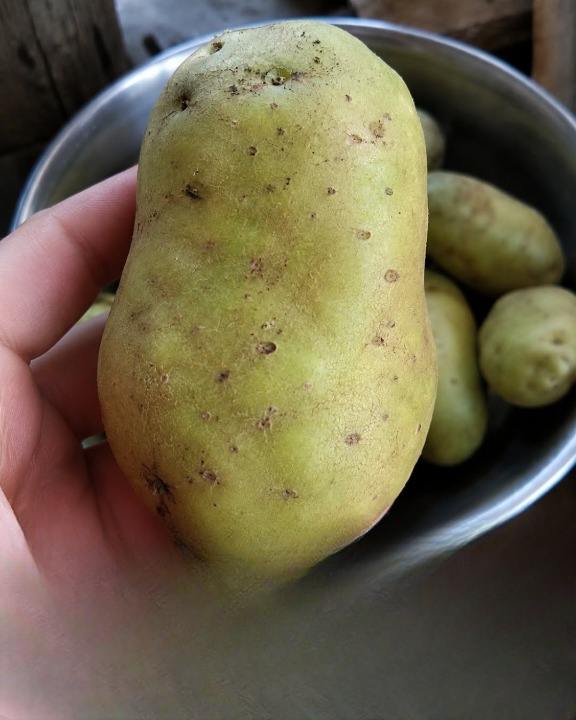
Yet many home cooks have experienced the same surprising moment: reaching into a pantry or storage basket and discovering a potato with patches of green coloring on its skin.
The sight often raises immediate questions.
Why did the potato turn green?
Is it still safe to eat?
Should it be discarded?
Can it be prevented?
Fortunately, understanding why potatoes develop green areas is relatively straightforward. The answer involves plant biology, storage conditions, and naturally occurring compounds that help potatoes protect themselves while they grow.
In this guide, we’ll explore the science behind green potatoes, discuss food safety considerations, explain proper storage techniques, and share practical tips to help you keep potatoes fresh for longer.
Potatoes Are More Than Just Vegetables
Many people think of potatoes as simple vegetables, but they are actually underground storage organs known as tubers.
The potato plant stores energy within these tubers to support future growth.
Because potatoes grow beneath the soil, they are naturally protected from sunlight.
Underground conditions help maintain:
- Stable temperatures
- Moisture levels
- Darkness
- Protection from environmental stress
When potatoes are harvested and removed from the ground, they become exposed to environmental conditions they were not originally designed to experience for extended periods.
This exposure plays an important role in the appearance of green coloring.
Why Do Potatoes Turn Green?
The green color develops when potatoes are exposed to light.
Whether the source is:
- Sunlight
- Fluorescent lighting
- Indoor lighting
- Store display lighting
the potato begins producing chlorophyll.
Chlorophyll is the same green pigment found in:
- Grass
- Leaves
- Plants
- Vegetables
It is essential for photosynthesis, the process plants use to convert sunlight into energy.
Although chlorophyll itself is harmless, its appearance often signals other changes occurring within the potato.
This is why green potatoes receive attention from food safety experts.
What Is Chlorophyll?
Chlorophyll is a natural pigment responsible for the green color in plants.
It plays a critical role in capturing sunlight and supporting plant growth.
Foods naturally rich in chlorophyll include:
- Spinach
- Kale
- Broccoli
- Parsley
- Green beans
In potatoes, chlorophyll production occurs when the tuber receives sufficient light exposure.
The green color itself does not make the potato unsafe.
However, it serves as a visual indicator that other naturally occurring compounds may also be increasing.
The Role of Natural Protective Compounds
Potatoes naturally produce substances known as glycoalkaloids.
These compounds help protect the plant from:
- Insects
- Pests
- Fungi
- Disease
The two primary glycoalkaloids found in potatoes are:
- Solanine
- Chaconine
These compounds are present in all potatoes at low levels.
Under normal conditions, they do not pose a concern.
However, exposure to light, physical damage, or improper storage may increase their concentration.
Because chlorophyll and glycoalkaloid production are often triggered by similar conditions, green coloring can indicate elevated glycoalkaloid levels.
Is a Green Potato Always Unsafe?
Not necessarily.
The answer depends on several factors.
A potato with a small green area may still be usable if the affected portion is removed.
However, potatoes with extensive greening or other signs of deterioration should generally be discarded.
Factors to consider include:
- Amount of green coloring
- Presence of sprouts
- Texture changes
- Taste
- Overall condition
When in doubt, it is often best to err on the side of caution.
Food safety organizations generally recommend avoiding potatoes that show significant greening.
What About Sprouting Potatoes?
Sprouting frequently occurs alongside greening.
Potatoes naturally attempt to grow new plants when conditions allow.
Sprouts develop from the “eyes” of the potato.
Small sprouts do not automatically mean the potato is unusable.
In many cases:
- Sprouts can be removed.
- Small green areas can be trimmed away.
- The remaining potato may still be suitable for cooking.
However, heavily sprouted potatoes often contain higher concentrations of glycoalkaloids and may have reduced quality.
How Light Triggers Changes in Potatoes
Light exposure is the primary reason potatoes turn green.
Even potatoes stored indoors can develop green patches if exposed to light over time.
Common examples include:
Kitchen Counters
Potatoes left in bowls near windows may gradually turn green.
Grocery Store Displays
Bright display lighting can contribute to greening.
Transparent Packaging
Clear bags may allow light to reach the potatoes.
Open Shelving
Long-term storage on exposed shelves increases the likelihood of greening.
The process can begin surprisingly quickly under favorable conditions.
Signs That a Potato Should Be Discarded
While many potatoes remain usable after minor greening, certain signs indicate it is better to discard them.
These include:
Extensive Green Areas
Large portions of green coloring suggest significant exposure.
Numerous Sprouts
Heavy sprouting often indicates aging and chemical changes.
Soft Texture
Potatoes should feel firm.
Wrinkling
Excessive dehydration reduces quality.
Mold
Any visible mold is a sign the potato should be discarded.
Unpleasant Odor
Fresh potatoes should not produce strong or unusual smells.
When several of these signs occur together, replacement is generally the safest choice.
Can Cooking Remove the Green Color?
Cooking does not remove chlorophyll.
Likewise, cooking does not completely eliminate glycoalkaloids.
These compounds are relatively stable at normal cooking temperatures.
Methods such as:
- Baking
- Boiling
- Roasting
- Frying
may reduce some compounds slightly, but they should not be relied upon as a safety solution.
The best approach is prevention through proper storage.
How to Store Potatoes Properly
Correct storage dramatically reduces the likelihood of greening and sprouting.
Experts generally recommend storing potatoes in:
A Cool Location
Ideal temperatures are often between 45°F and 55°F (7°C to 13°C).
A Dark Environment
Darkness minimizes chlorophyll production.
A Dry Area
Excess moisture can encourage spoilage.
Well-Ventilated Containers
Air circulation helps maintain freshness.
Good storage options include:
- Paper bags
- Mesh bags
- Ventilated baskets
- Dark cupboards
Why Refrigeration Is Not Always Recommended
Many people assume refrigeration is the best way to preserve potatoes.
However, storing potatoes in very cold temperatures can affect their composition.
Cold conditions may convert starches into sugars more rapidly.
This can lead to:
- Altered flavor
- Changes in texture
- Darker coloration during cooking
For most households, a cool, dark pantry provides a better environment.
Nutritional Benefits of Potatoes
Despite occasional concerns about greening, potatoes remain highly nutritious.
They provide important nutrients including:
Vitamin C
Supports immune function and overall health.
Potassium
Contributes to normal muscle and nerve function.
Fiber
Particularly when consumed with the skin.
Vitamin B6
Supports metabolism and brain health.
Complex Carbohydrates
Provide sustained energy.
When prepared in balanced ways, potatoes can be part of a healthy diet.
Common Myths About Green Potatoes
Myth 1: Green Potatoes Are Always Poisonous
Not necessarily.
Minor greening may be manageable by removing affected portions.
Myth 2: Cooking Eliminates All Concerns
Cooking does not fully remove naturally occurring glycoalkaloids.
Myth 3: Green Color Comes From Mold
The green color results from chlorophyll production, not mold growth.
Myth 4: Organic Potatoes Never Turn Green
Both conventional and organic potatoes can develop green coloring when exposed to light.
Understanding these facts helps consumers make informed decisions.
Why Food Awareness Matters
Many people throw away food unnecessarily because they misunderstand natural changes.
Others may keep items that should be discarded.
Learning basic food science improves both safety and sustainability.
Understanding why potatoes turn green allows consumers to:
- Store food more effectively
- Reduce waste
- Improve freshness
- Make informed decisions
Knowledge helps bridge the gap between appearance and reality.
The Science Behind Everyday Foods
One reason food science is so fascinating is that it reveals the hidden processes occurring in everyday ingredients.
Potatoes may seem simple, but they are living plant structures responding continuously to their environment.
Factors such as:
- Light
- Temperature
- Moisture
- Time
all influence their appearance and quality.
Understanding these processes helps explain many common kitchen mysteries.
Practical Tips for Keeping Potatoes Fresh
To summarize, consider these simple guidelines:
✓ Store potatoes in a cool, dark location.
✓ Avoid direct sunlight.
✓ Use breathable storage containers.
✓ Check regularly for sprouts.
✓ Remove potatoes showing extensive greening.
✓ Keep storage areas dry.
✓ Purchase quantities you can use within a reasonable timeframe.
These habits can significantly extend freshness.
Conclusion
Green potatoes are a common household discovery, but the science behind them is surprisingly interesting. The green color develops when potatoes are exposed to light and begin producing chlorophyll, a natural plant pigment. While chlorophyll itself is harmless, its appearance can indicate increased levels of naturally occurring protective compounds that deserve attention.
Fortunately, proper storage can help prevent greening and maintain potato quality. By keeping potatoes in a cool, dark, and well-ventilated environment, consumers can extend freshness and reduce waste.
Understanding why potatoes turn green not only improves food safety awareness but also offers a fascinating glimpse into how plants respond to their surroundings. With a little knowledge and proper storage practices, potatoes can remain one of the most versatile and reliable staples in any kitchen.