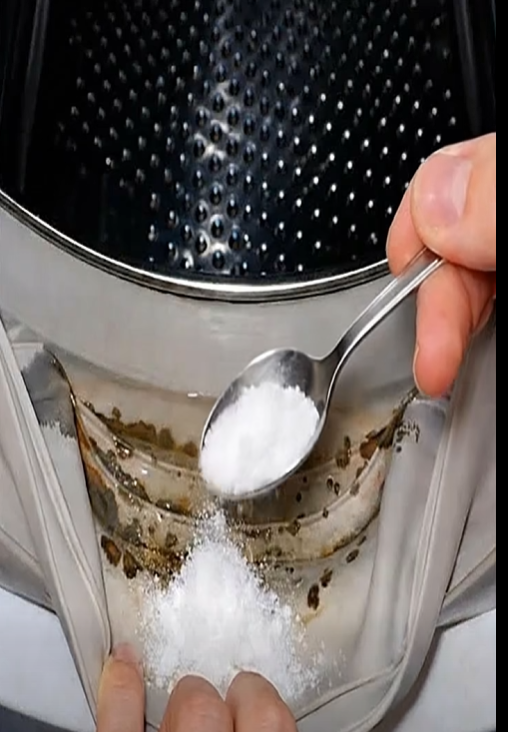
Most people rely on their washing machine several times a week without giving much thought to what happens inside the appliance between loads.
After all, if a machine is constantly washing clothes with water and detergent, it should stay clean on its own… right?
Surprisingly, that’s not always the case.
Over time, washing machines can develop unpleasant odors, soap residue, mineral deposits, and moisture-related buildup. These issues may not be immediately visible, but they can affect how fresh your laundry smells and how efficiently your appliance operates.
Many homeowners are familiar with cleaning methods that involve vinegar. While vinegar is a popular household cleaning product, some people prefer exploring alternative options for routine maintenance.
One simple ingredient that frequently appears in household cleaning discussions is citric acid, a naturally occurring compound commonly found in citrus fruits. When used appropriately and according to appliance manufacturer recommendations, it may help remove certain types of buildup and contribute to a fresher-smelling machine.
Let’s explore why washing machines need regular cleaning, what causes odors and residue, and how many homeowners keep their machines fresh and efficient.
Why Washing Machines Need Cleaning
At first glance, it seems strange that an appliance designed to clean clothes would need cleaning itself.
However, modern washing machines encounter a variety of substances during every wash cycle.
These include:
- Detergent residue
- Fabric softener buildup
- Dirt and debris from clothing
- Minerals from hard water
- Moisture trapped inside the drum
- Body oils and other residues
Over time, these materials can accumulate in different parts of the machine.
When buildup increases, it may contribute to unpleasant smells or reduced cleaning performance.
The Hidden Areas You Don’t See
Most people focus on the visible drum.
Yet many parts of a washing machine remain hidden from view.
Residue may collect in:
- Rubber door seals
- Detergent drawers
- Internal hoses
- Filters
- Drain systems
- Drum components
Because these areas are difficult to inspect, problems often develop gradually.
Many homeowners only notice something is wrong when an odor appears.
Common Causes of Washing Machine Odors
If your washing machine doesn’t smell fresh, several factors may be contributing.
Moisture
Moist environments can encourage unwanted buildup.
Machines that remain closed between loads may trap humidity inside.
Detergent Residue
Using more detergent than necessary can leave residue behind.
Over time, these deposits may accumulate.
Fabric Softener Buildup
Certain laundry products may leave films on internal surfaces.
Hard Water Minerals
In regions with hard water, mineral deposits may gradually develop.
These deposits can affect both appearance and performance.
Why Routine Maintenance Matters
Regular maintenance can provide several benefits.
Fresher-Smelling Laundry
A clean machine often contributes to cleaner-smelling clothes.
Improved Efficiency
Reducing buildup may help maintain performance.
Longer Appliance Life
Proper care may help support long-term appliance reliability.
Better Overall Hygiene
Routine cleaning helps remove residues that can accumulate over time.
An Alternative Cleaning Ingredient
Many homeowners have heard about cleaning with vinegar.
However, another commonly discussed option is citric acid.
Citric acid is naturally found in citrus fruits and is widely used in various household and food-related applications.
When used appropriately, it may help dissolve certain mineral deposits and support appliance maintenance.
Always consult your washing machine’s manufacturer recommendations before using any cleaning method.
Different machines may have different requirements.
How Some Homeowners Use Citric Acid
A common approach involves running an empty cleaning cycle with a measured amount of citric acid according to product instructions and appliance guidelines.
The process generally includes:
- Emptying the machine
- Adding the cleaning product as directed
- Running a hot cleaning cycle
- Wiping surfaces afterward
Specific instructions may vary depending on the product and machine model.
Following manufacturer guidance is always recommended.
Cleaning the Rubber Door Seal
One area frequently overlooked is the rubber seal around front-loading washing machines.
This area can trap:
- Water
- Lint
- Hair
- Residue
Regularly inspecting and wiping the seal can help maintain cleanliness.
Many homeowners are surprised by how much moisture can remain hidden there after a wash cycle.
Don’t Forget the Detergent Drawer
Detergent compartments also deserve attention.
Residue may build up over time and reduce freshness.
Removing and rinsing the drawer periodically can help prevent accumulation.
Warm water and gentle cleaning often make a noticeable difference.
The Importance of Airflow
One of the simplest maintenance habits costs absolutely nothing.
Leave the washing machine door slightly open after use.
Allowing air to circulate can help moisture evaporate more effectively.
This simple step may help reduce odor development between loads.
The same principle applies to detergent drawers.
Keeping them open occasionally may promote better drying.
Common Laundry Mistakes That Contribute to Buildup
Many odor problems originate from everyday habits.
Using Too Much Detergent
More detergent does not necessarily mean cleaner clothes.
Excess detergent can leave residue inside the machine.
Overloading the Washer
Crowded loads may prevent proper cleaning and rinsing.
Ignoring Maintenance Cycles
Many modern machines include cleaning cycles specifically designed for maintenance.
Leaving Wet Laundry Inside
Allowing damp clothing to sit for extended periods can contribute to unwanted odors.
Signs Your Machine May Need Cleaning
You might consider cleaning your washing machine if you notice:
- Musty smells
- Residue inside the drum
- Visible deposits
- Laundry that smells less fresh after washing
- Reduced cleaning performance
Addressing these signs early may help prevent larger issues later.
Hard Water and Mineral Deposits
In many regions, hard water contributes significantly to washing machine buildup.
Hard water contains naturally occurring minerals.
Over time, these minerals can accumulate on internal components.
Regular maintenance may help manage these deposits and support appliance efficiency.
Building a Monthly Maintenance Routine
Many homeowners find success with a simple monthly routine.
This may include:
- Running a cleaning cycle
- Wiping seals
- Cleaning detergent compartments
- Inspecting filters
- Leaving the machine open to dry
Small efforts performed consistently often produce better results than occasional deep cleaning.
Why Prevention Is Easier Than Correction
Like many household maintenance tasks, prevention is generally easier than solving major problems later.
Regular care helps:
- Reduce odors
- Minimize buildup
- Maintain efficiency
- Improve overall performance
Waiting until problems become severe may require more extensive cleaning.
Common Myths About Washing Machines
Myth #1: Washing Machines Clean Themselves
Not entirely.
They require periodic maintenance just like other appliances.
Myth #2: More Detergent Equals Better Results
Excess detergent can actually contribute to residue problems.
Myth #3: Odors Mean the Machine Is Broken
In many cases, odors simply indicate a need for cleaning and maintenance.
The Value of Simple Household Habits
Many homeowners spend significant money replacing appliances when small maintenance habits could have helped preserve performance.
Simple actions such as:
- Cleaning regularly
- Allowing airflow
- Using proper detergent amounts
- Running maintenance cycles
can make a meaningful difference over time.
Final Thoughts
Your washing machine works hard every week, handling everything from everyday clothing to towels, bedding, and household fabrics.
Like any frequently used appliance, it benefits from regular care and attention.
Whether you choose a manufacturer-approved cleaning product, citric acid-based maintenance solution, or another recommended method, the goal remains the same:
Keeping the machine clean, fresh, and operating efficiently.
By reducing residue, managing moisture, and maintaining a consistent cleaning routine, many homeowners find that their laundry smells fresher and their machines perform more effectively.
Sometimes the simplest maintenance habits are the ones that make the biggest difference.
And a cleaner washing machine often means cleaner, fresher laundry for the entire household.