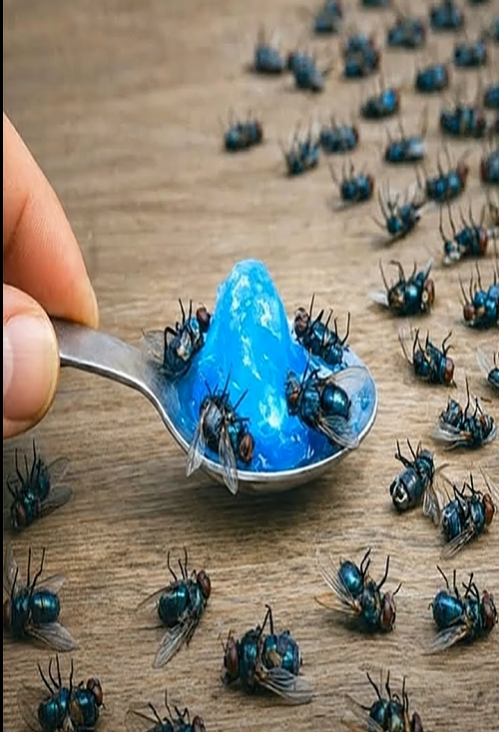
Flies are among the most common household pests, especially during warmer months. They seem to appear out of nowhere, buzzing around kitchens, patios, fruit bowls, and trash bins. While a few flies may not seem like a big problem, they can quickly become an annoyance when their numbers increase.
Many people immediately reach for commercial sprays or insect-control products. However, not everyone wants to use chemical-based solutions indoors, particularly around children, pets, food preparation areas, or outdoor gathering spaces.
Fortunately, there are several simple and affordable methods that may help reduce fly activity using common household items you probably already have at home.
One popular approach involves creating a simple homemade fly trap using ingredients found in many kitchens. While results can vary depending on the environment and the number of flies present, many homeowners find these methods helpful as part of a broader pest-management routine.
Let’s explore why flies are attracted to homes, how homemade traps work, and several practical ways to help keep these unwanted visitors under control.
Why Flies Are Attracted to Your Home
Understanding what attracts flies is the first step toward reducing their presence.
Flies are naturally drawn to:
- Food scraps
- Overripe fruit
- Sweet beverages
- Trash containers
- Pet food
- Organic waste
- Standing water
- Compost piles
Even small amounts of food residue can attract flies from surprising distances.
A forgotten piece of fruit on the counter or a garbage can that hasn’t been emptied recently may be enough to invite them inside.
The Problem With Flies
Most people dislike flies simply because they’re annoying.
They buzz around faces, land on food, and seem to appear at the most inconvenient times.
In addition to being irritating, large numbers of flies can make outdoor gatherings and indoor meals less enjoyable.
This is why many homeowners look for effective ways to reduce fly activity before it becomes a bigger issue.
A Simple Homemade Fly Trap
One popular homemade trap uses ingredients many households already have.
You may need:
- A plastic bottle
- Warm water
- A small amount of sugar
- A little vinegar
- A few drops of dish soap
The concept is simple.
Sweet scents may attract flies, while the soap helps reduce surface tension in the liquid.
The bottle design encourages flies to enter but makes it more difficult for them to leave.
Many people place these traps near:
- Outdoor seating areas
- Garbage containers
- Compost bins
- Patios
- Garages
Keep traps away from food preparation surfaces and follow appropriate hygiene practices.
Why People Like Homemade Solutions
Homemade methods remain popular because they offer several advantages.
Affordable
Most ingredients are already available in the home.
Easy to Assemble
No specialized equipment is usually required.
Flexible
The trap can often be adjusted based on available materials.
Educational
Many people enjoy learning simple household solutions and understanding how they work.
Prevention Is Even More Important
While traps may help reduce fly activity, prevention is often the most effective long-term strategy.
Reducing attractions can make your home less appealing to flies in the first place.
Keep Food Covered
One of the easiest ways to discourage flies is by keeping food protected.
This includes:
- Fruits
- Baked goods
- Prepared meals
- Pet food
Covering food limits attractive scents and reduces opportunities for flies to land.
Take Out Trash Regularly
Garbage is one of the biggest fly attractants.
Regularly emptying trash containers can help minimize odors and reduce breeding opportunities.
Consider:
- Using lids on garbage cans
- Cleaning bins periodically
- Removing food waste promptly
Clean Kitchen Surfaces
Small spills often go unnoticed.
Sugary drinks, crumbs, and food residue can attract flies surprisingly quickly.
Regular cleaning helps eliminate these attractants.
Pay special attention to:
- Countertops
- Tables
- Floors
- Sink areas
Check Windows and Doors
Flies frequently enter through small openings.
Inspect:
- Window screens
- Door seals
- Vent openings
Repairing damaged screens may help reduce indoor fly activity.
Outdoor Areas Matter Too
Sometimes the source of a fly problem isn’t inside the house at all.
Outdoor conditions often play a major role.
Check for:
- Standing water
- Pet waste
- Overflowing garbage containers
- Compost issues
Managing these factors can significantly reduce fly populations near the home.
Common Fly Myths
Myth #1: One Fly Means Nothing
While a single fly isn’t always a concern, multiple flies may indicate a nearby attraction source.
Myth #2: Flies Only Appear in Dirty Homes
Even very clean homes can attract flies.
Open doors, outdoor conditions, and seasonal changes all play a role.
Myth #3: Every Fly Control Method Works Instantly
Most fly management strategies require patience and consistency.
Results often improve when multiple approaches are combined.
Natural Ways to Discourage Flies
Some homeowners explore additional non-chemical approaches.
Examples include:
- Maintaining cleanliness
- Removing attractants
- Using screens
- Improving ventilation
- Managing outdoor waste properly
Combining several methods generally produces better results than relying on a single solution.
Seasonal Fly Activity
Fly populations often increase during warmer weather.
Spring and summer bring:
- Higher temperatures
- Increased outdoor activity
- More food-related gatherings
- Faster breeding cycles
Understanding seasonal patterns can help homeowners prepare in advance.
Why Simple Solutions Remain Popular
Many household tips survive for generations because they are practical.
People appreciate solutions that are:
- Affordable
- Easy to understand
- Simple to implement
The homemade fly trap falls into this category.
While it isn’t a magical solution, it demonstrates how everyday household items can sometimes serve useful purposes beyond their original function.
Creating a Fly-Resistant Home Environment
Rather than focusing solely on eliminating flies, many experts recommend creating conditions that discourage them from visiting in the first place.
This includes:
- Good sanitation habits
- Proper food storage
- Waste management
- Routine cleaning
- Maintenance of screens and doors
These habits can contribute to a more comfortable living environment overall.
Final Thoughts
Flies are a common household nuisance, especially during warm months when food, outdoor activity, and open windows become more frequent.
While no single solution works perfectly in every situation, simple homemade traps and preventive measures can help reduce fly activity around the home.
The most effective approach usually combines:
- Good cleaning habits
- Proper food storage
- Regular trash removal
- Attention to outdoor conditions
- Simple trapping methods when needed
Sometimes the best household solutions are also the simplest.
With a little consistency and a few practical habits, many homeowners find it easier to keep flies under control and enjoy a cleaner, more comfortable living space.