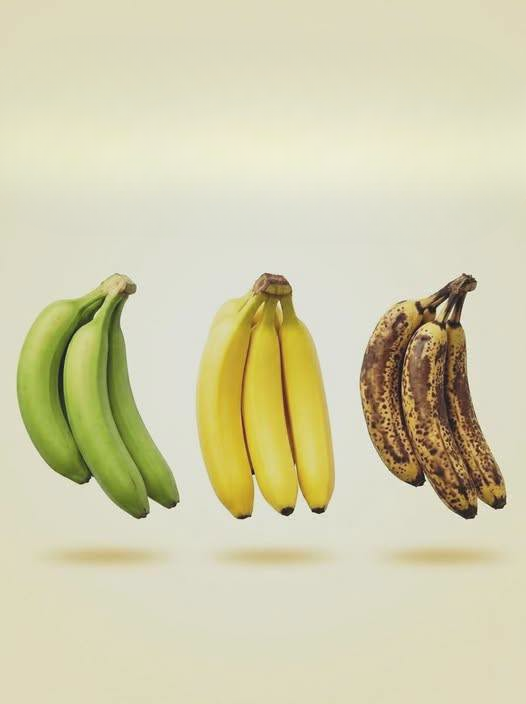
Bananas are among the most popular fruits in the world, and for good reason. They are affordable, convenient, naturally sweet, and packed with nutrients that support overall health. However, many people don’t realize that a banana’s nutritional profile changes as it ripens.
Have you ever stood in the grocery store wondering whether you should choose a green banana, a bright yellow one, or a brown-speckled banana?
The answer may surprise you.
The truth is that each stage of ripeness offers unique benefits. Rather than one being universally “better” than the others, the healthiest choice often depends on your personal goals, dietary preferences, and nutritional needs.
Let’s explore how bananas change during ripening and discover which type may be the best fit for you.
Understanding the Banana Ripening Process
Bananas go through several stages of ripeness.
They typically begin green, gradually turn yellow, and eventually develop brown spots before becoming fully brown.
During this process, natural chemical changes occur inside the fruit.
The starches found in green bananas slowly convert into simpler sugars. As a result, the texture, flavor, digestibility, and nutritional characteristics change significantly over time.
These changes explain why different people prefer bananas at different stages.
Some enjoy the firm texture of green bananas.
Others prefer the balanced sweetness of yellow bananas.
Many love the soft, dessert-like flavor of brown bananas.
Each stage has its own advantages.
Green Bananas: A Fiber-Rich Choice
Green bananas are harvested before they fully ripen.
At this stage, they contain a higher amount of resistant starch, a type of carbohydrate that behaves similarly to dietary fiber.
Unlike ordinary starches, resistant starch is not fully digested in the small intestine. Instead, it travels to the large intestine, where it may help support digestive health.
Potential benefits of green bananas include:
- Higher resistant starch content
- Lower natural sugar levels
- Greater feeling of fullness
- Support for digestive health
- Slower release of energy
Because green bananas contain less sugar and more resistant starch, some people find them helpful as part of a balanced eating plan focused on steady energy levels.
The texture of green bananas is firmer and less sweet than ripe bananas.
Some people enjoy eating them raw, while others prefer using them in cooked dishes.
In various cultures, green bananas are boiled, baked, fried, or mashed as part of traditional meals.
Why Some People Prefer Green Bananas
One reason green bananas have gained popularity is their fiber-like resistant starch content.
Fiber plays an important role in overall wellness.
It may contribute to:
- Digestive regularity
- Increased satiety
- Healthy gut function
- Balanced eating habits
Because green bananas are less sweet, they may also appeal to individuals who prefer foods with a milder flavor profile.
However, some people find green bananas harder to digest due to their higher starch content.
As with many foods, personal preference and individual tolerance can vary.
Yellow Bananas: The Balanced Middle Ground
When most people think of a banana, they imagine a bright yellow one.
This stage is often considered the “classic” banana.
Yellow bananas offer a balance between flavor, texture, and nutritional benefits.
As the fruit ripens, resistant starch begins converting into natural sugars.
This transformation makes yellow bananas sweeter and easier to digest than green bananas.
Benefits of yellow bananas may include:
- Pleasant natural sweetness
- Easier digestion
- Good source of potassium
- Convenient snack option
- Balanced carbohydrate content
For many individuals, yellow bananas represent the ideal combination of taste and nutrition.
The fruit remains firm enough to hold its shape while offering a sweeter flavor than green bananas.
This balance explains why yellow bananas are often the most popular choice worldwide.
Potassium and Everyday Nutrition
Bananas are widely recognized as a source of potassium.
Potassium is an essential mineral involved in many important functions within the body.
It contributes to:
- Normal muscle function
- Healthy nerve signaling
- Fluid balance
- Overall wellness
While potassium levels remain relatively consistent throughout the ripening process, yellow bananas provide an enjoyable and accessible way to include this important nutrient in a balanced diet.
They’re also easy to pair with:
- Oatmeal
- Yogurt
- Smoothies
- Peanut butter
- Whole-grain toast
These combinations create satisfying meals and snacks that fit a variety of lifestyles.
Brown Bananas: Naturally Sweet and Easy to Digest
Many people mistakenly assume that brown bananas are no longer useful.
In reality, brown bananas often contain the highest level of natural sweetness.
As bananas continue ripening, more starch converts into sugar.
This process creates a softer texture and richer flavor.
Brown bananas offer several advantages:
- Naturally sweet taste
- Softer texture
- Easier digestion for some individuals
- Excellent for baking and smoothies
- Reduced food waste when used creatively
Although brown bananas may not look as visually appealing as yellow ones, they remain perfectly useful for many recipes.
In fact, many bakers specifically seek out brown bananas because of their sweetness and flavor.
Why Brown Bananas Are Popular in Recipes
Brown bananas work particularly well in:
- Banana bread
- Muffins
- Pancakes
- Smoothies
- Oatmeal
- Homemade desserts
Because they are naturally sweeter, they may reduce the need for additional sweeteners in certain recipes.
Their soft texture also makes blending and baking easier.
Instead of throwing away overripe bananas, many people freeze them for future use.
This simple habit helps reduce food waste while providing ingredients for healthy snacks and meals.
Which Banana Is Best for Digestion?
Digestive comfort can vary from person to person.
Some individuals find yellow and brown bananas easier to digest because the starches have already broken down into simpler sugars.
Others appreciate the fiber-like properties found in greener bananas.
There is no single answer that works for everyone.
Factors that influence digestion include:
- Personal preferences
- Overall diet
- Activity level
- Individual digestive sensitivity
Listening to your body’s response can help determine which stage of ripeness works best for you.
Which Banana Is Best for Energy?
All bananas provide carbohydrates that help fuel daily activities.
However, the type of carbohydrate changes throughout ripening.
Green bananas contain more resistant starch and complex carbohydrates.
Yellow and brown bananas contain more readily available natural sugars.
Because of this difference:
- Green bananas may provide a steadier release of energy.
- Yellow bananas offer a balanced energy source.
- Brown bananas provide quicker sweetness and flavor.
Athletes and active individuals often choose ripe yellow bananas before physical activity because they are easy to digest and convenient to eat.
The Nutritional Benefits Shared by All Bananas
Regardless of color, bananas offer several valuable nutrients.
They generally contain:
- Potassium
- Vitamin B6
- Vitamin C
- Dietary fiber
- Natural carbohydrates
- Antioxidant compounds
These nutrients contribute to a balanced diet and support overall wellness.
The exact amounts may vary slightly as bananas ripen, but each stage still provides meaningful nutritional value.
Choosing the Right Banana for Your Goals
The “best” banana depends largely on what you’re looking for.
Green Bananas May Be Ideal If You Prefer:
- Firmer texture
- Less sweetness
- Higher resistant starch
- Slower carbohydrate digestion
Yellow Bananas May Be Ideal If You Prefer:
- Balanced sweetness
- Easy digestion
- Versatility
- Everyday snacking
Brown Bananas May Be Ideal If You Prefer:
- Maximum sweetness
- Soft texture
- Smoothies and baking
- Easy blending
Each option offers something unique.
Rather than viewing one stage as superior, it’s helpful to recognize that different ripeness levels serve different purposes.
Final Thoughts
When it comes to bananas, there is no single winner.
Green, yellow, and brown bananas each offer their own advantages and nutritional characteristics.
Green bananas provide more resistant starch and a firmer texture.
Yellow bananas deliver a balanced combination of flavor and nutrition.
Brown bananas offer natural sweetness and excellent versatility in recipes.
The healthiest choice ultimately depends on your personal preferences and goals.
The good news is that regardless of which color you choose, bananas remain one of nature’s most convenient and nutritious fruits.
So the next time you’re deciding between green, yellow, or brown bananas, remember that each stage has something valuable to offer.
Instead of asking which banana is best, the better question may be: which banana is best for you today?