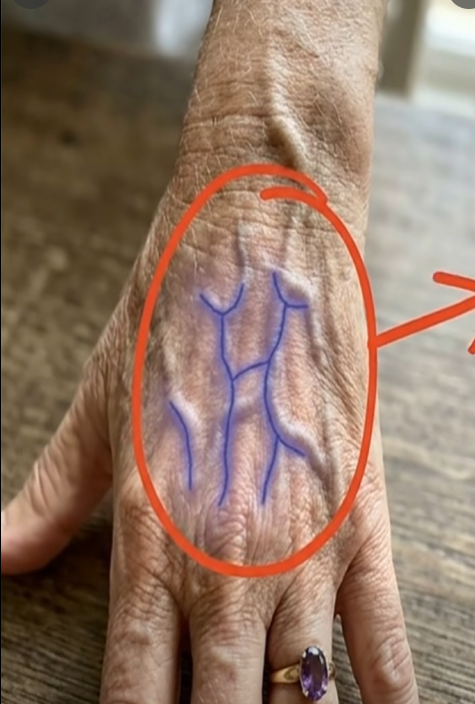
Many people look down at their hands, arms, legs, or feet one day and suddenly notice something they hadn’t paid much attention to before:
Their veins seem more visible.
For some, this can be surprising.
For others, it can even be a little concerning.
The first thought that often comes to mind is:
“Is something wrong?”
In most cases, visible veins are a completely normal part of how the human body works. However, there are several reasons why veins may become more noticeable over time, and understanding those reasons can help reduce unnecessary worry.
Let’s take a closer look at some of the most common explanations and what health professionals want people to know.
What Are Veins?
Veins are blood vessels responsible for carrying blood back toward the heart.
Unlike arteries, which transport oxygen-rich blood away from the heart, veins help return blood through a network that runs throughout the body.
Because many veins sit relatively close to the surface of the skin, they can sometimes become visible.
This visibility varies greatly from person to person.
Some individuals naturally have more noticeable veins than others.
1. Body Composition Can Affect Vein Visibility
One of the most common reasons veins appear more visible is simply body composition.
A layer of fat naturally sits beneath the skin.
When this layer is thinner, veins may become easier to see.
This is why athletes and physically active individuals often have more visible veins in their arms, hands, and legs.
It does not necessarily indicate a health problem.
It often reflects normal differences in body structure.
2. Aging Can Make Veins More Noticeable
As people grow older, changes naturally occur within the skin.
The skin may become thinner and lose some elasticity over time.
When this happens, veins that were once less noticeable can become easier to see.
This is one reason many older adults observe increased vein visibility in their hands and arms.
In many cases, this is simply part of the natural aging process.
3. Physical Activity May Increase Vein Prominence
After exercise, many people notice that their veins temporarily appear larger or more visible.
This happens because physical activity increases blood flow and places additional demands on the circulatory system.
Weight training, running, cycling, and other forms of exercise can all contribute to temporary changes in vein appearance.
For many healthy individuals, this is a normal response to activity.
4. Warm Temperatures Can Play a Role
Have you ever noticed that veins seem more visible during hot weather?
Temperature can influence blood vessels.
Warm conditions may cause blood vessels near the skin’s surface to expand slightly.
As a result, veins can become easier to see.
This effect is often temporary and may lessen once the body cools down.
5. Genetics Matter More Than Many People Realize
Sometimes visible veins simply run in families.
Genetics influence many physical traits, including skin characteristics and blood vessel patterns.
If parents or grandparents have prominent veins, younger family members may notice similar features.
In these situations, visible veins are often just a normal inherited trait.
6. Skin Tone and Skin Thickness Influence Appearance
The visibility of veins can vary depending on skin tone and skin thickness.
People with lighter skin may find certain veins easier to see because of the contrast between the vein and surrounding tissue.
Likewise, individuals with naturally thinner skin may observe greater vein visibility.
Again, these differences are often completely normal.
7. Certain Areas of the Body Naturally Show Veins More Clearly
Some body parts are more likely to display visible veins than others.
Common areas include:
- Hands
- Forearms
- Feet
- Ankles
- Legs
Because the skin in these regions may be thinner or because veins sit closer to the surface, visibility can be greater.
This doesn’t automatically indicate a medical concern.
Common Myths About Visible Veins
Myth #1: Visible Veins Always Mean Poor Health
This is not true.
Many healthy people have prominent veins.
Visibility alone does not determine overall health.
Myth #2: Visible Veins Mean Someone Has a Serious Medical Condition
Not necessarily.
While some vein-related conditions do exist, many visible veins are simply a normal variation among individuals.
Myth #3: Only Older Adults Have Visible Veins
People of all ages can have noticeable veins depending on genetics, activity level, body composition, and other factors.
When Should Someone Seek Medical Advice?
Although visible veins are often harmless, there are situations where consulting a healthcare professional may be appropriate.
Consider seeking medical guidance if visible veins are accompanied by:
- Pain or discomfort
- Swelling
- Skin changes
- Persistent redness
- Unusual warmth
- Sudden appearance of significant symptoms
Healthcare professionals can evaluate concerns and provide personalized recommendations based on individual circumstances.
Supporting Healthy Circulation
Regardless of vein visibility, there are several habits that can support overall circulatory health.
These include:
Staying Physically Active
Regular movement helps support circulation throughout the body.
Walking, swimming, cycling, and other activities can be beneficial.
Maintaining Hydration
Adequate fluid intake supports many bodily functions, including circulation.
Avoiding Long Periods of Inactivity
Sitting or standing in one position for extended periods may contribute to discomfort for some individuals.
Changing positions and moving regularly can help.
Wearing Comfortable Clothing
Clothing that allows comfortable movement may support overall comfort and circulation.
Following Medical Advice
Individuals with existing circulation-related concerns should follow guidance provided by their healthcare providers.
Why Awareness Matters
One of the biggest reasons visible veins generate concern is uncertainty.
When people notice changes in their appearance, they naturally want to understand what they are seeing.
Knowledge helps reduce unnecessary fear.
Understanding that visible veins are often a normal feature can provide reassurance while still encouraging appropriate medical attention when genuine concerns arise.
The Human Body Is Unique
Perhaps the most important thing to remember is that every body is different.
Some people have highly visible veins.
Others have very few visible veins.
Neither automatically indicates better or worse health.
The human body displays countless natural variations.
Visible veins are simply one of them.
Final Thoughts
If you’ve recently noticed veins becoming more visible, the explanation may be far simpler than you think.
Factors such as age, genetics, physical activity, body composition, temperature, and skin characteristics can all influence how veins appear.
In many cases, visible veins are a normal part of human anatomy and not a cause for alarm.
The key is paying attention to your overall health rather than focusing on appearance alone.
If you ever have concerns, a qualified healthcare professional can provide guidance tailored to your situation.
Understanding your body is an important part of staying informed and confident about your health.
And sometimes, what seems surprising at first turns out to be perfectly normal after all.