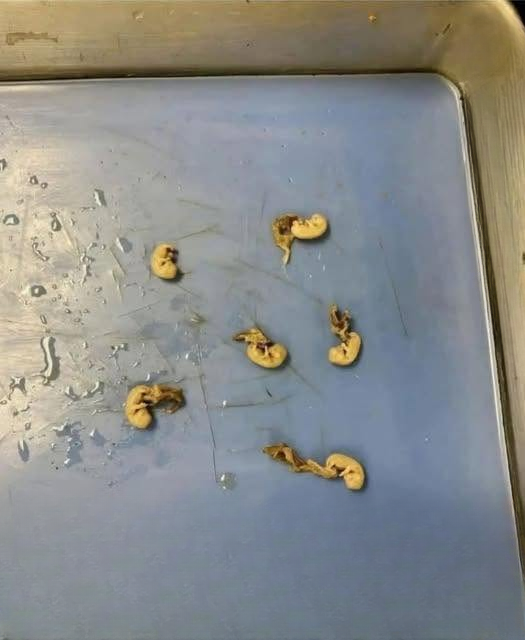
Hidden Seeds and Food Safety: Understanding Real Risks Behind Viral Food Scares
In an age where information travels across the internet in seconds, food-related concerns often attract significant attention. A photo of an unusual ingredient, a story about an unexpected reaction to a meal, or a warning about mysterious seeds found in food can quickly spread through social media platforms and online communities. While some warnings highlight genuine concerns, many become amplified long before experts have the opportunity to verify the facts.
As a result, consumers are often left wondering which food warnings deserve attention and which are based on misunderstandings, incomplete information, or exaggerated claims. Learning how to evaluate food safety information can help people make informed decisions while avoiding unnecessary anxiety.
This article explores the realities of food safety, the role of seeds and plant materials in foods, how viral food scares develop, and the practical steps consumers can take to protect themselves and their families.
Why Food Safety Stories Spread So Quickly
Food is something everyone interacts with every day. Unlike specialized topics that only affect certain groups, food safety concerns feel personal and immediate. When people see headlines suggesting a hidden danger in a common product, they naturally pay attention.
Several factors contribute to the rapid spread of food-related warnings:
- Fear of potential health risks
- Emotional reactions to unexpected discoveries
- Photos and videos that appear alarming without context
- Social media algorithms that promote highly engaging content
- Misinformation shared by well-meaning individuals
A single image showing unusual seeds, discoloration, or unfamiliar textures can quickly generate thousands of comments and shares. Many viewers assume the worst before understanding the actual explanation.
In reality, unusual appearances do not automatically indicate contamination or danger.
The Difference Between Unusual and Unsafe
One of the most common misunderstandings in food safety discussions is the assumption that anything unfamiliar must be harmful.
Foods naturally vary in appearance due to factors such as:
- Growing conditions
- Harvest timing
- Plant genetics
- Storage methods
- Processing techniques
- Natural aging
Many fruits, vegetables, grains, and seeds contain variations that may seem surprising to consumers who are not familiar with agricultural production.
Examples include:
Sprouted Seeds
Seeds occasionally begin germination during storage if conditions are favorable. While quality may be affected, this does not necessarily indicate a safety problem.
Color Variations
Natural products can display a range of colors depending on ripeness, variety, and environmental conditions.
Texture Changes
Temperature fluctuations and moisture levels can alter texture without making food unsafe.
Natural Plant Structures
Some fruits contain seed clusters, fibers, or growth patterns that may appear unusual but are completely normal.
Understanding these natural variations can prevent unnecessary concern when encountering something unexpected in food.
How Viral Food Scares Begin
Many viral food scares follow a predictable pattern.
Step 1: An Unusual Discovery
Someone notices something unfamiliar in a meal, package, or ingredient.
Step 2: A Photo Is Shared
Images often circulate online before experts have examined the situation.
Step 3: Speculation Begins
Users offer theories about contamination, insects, chemicals, or hidden hazards.
Step 4: Emotional Responses Increase
Fear spreads as more people share warnings without verification.
Step 5: Corrections Receive Less Attention
When experts later explain the actual cause, those updates often receive fewer views than the original alarming post.
This pattern can create confusion and leave many people with inaccurate impressions long after the facts are available.
What Real Food Safety Risks Usually Look Like
While viral stories often focus on unusual appearances, genuine food safety concerns are usually identified through scientific testing, inspections, and documented evidence.
Some legitimate food safety issues include:
Bacterial Contamination
Harmful bacteria can sometimes contaminate food products during production, processing, or preparation.
Examples include:
- Salmonella
- Listeria
- E. coli
These risks are typically investigated through laboratory testing rather than visual inspection alone.
Improper Storage
Food stored at unsafe temperatures may become more susceptible to spoilage and bacterial growth.
Cross-Contamination
Raw ingredients can sometimes transfer microorganisms to ready-to-eat foods if proper precautions are not followed.
Undeclared Allergens
One of the most significant food safety concerns involves allergens that are not clearly identified on product labels.
Foreign Material Contamination
Occasionally, products may contain unintended materials introduced during manufacturing. Quality-control systems are designed to minimize these risks.
Unlike sensational online stories, real food safety investigations rely on evidence, testing, and professional analysis.
Understanding Seeds in Everyday Foods
Seeds are among the most common natural components found in foods around the world.
People regularly consume seeds from:
- Tomatoes
- Cucumbers
- Peppers
- Strawberries
- Sesame plants
- Sunflowers
- Pumpkins
- Chia plants
- Flax plants
Many seeds are highly nutritious and provide valuable nutrients such as:
- Fiber
- Protein
- Healthy fats
- Vitamins
- Minerals
- Antioxidants
However, unfamiliar seeds found in processed foods can sometimes cause concern when consumers are unsure of their origin.
In most cases, food manufacturers can identify these materials through ingredient records and production tracking systems.
Why Context Matters
Photographs alone rarely tell the entire story.
A close-up image can make ordinary food structures appear alarming. Without context, viewers may incorrectly assume a product contains harmful substances.
For example:
- Seed clusters may resemble insects.
- Plant fibers may resemble synthetic materials.
- Natural crystals may resemble contaminants.
- Color variations may appear suspicious.
Food scientists often emphasize that visual impressions should not be treated as definitive evidence of a safety issue.
Proper evaluation requires:
- Ingredient information
- Manufacturing records
- Laboratory analysis
- Expert assessment
The Psychology of Food Fear
Humans are naturally cautious about what they eat. This instinct has played an important role throughout history.
Thousands of years ago, avoiding potentially dangerous foods helped protect communities from illness.
Today, that same instinct can sometimes be triggered by harmless situations.
Psychologists have identified several factors that influence food-related fears:
Novelty
People are more likely to worry about unfamiliar foods than familiar ones.
Visual Triggers
Unexpected appearances can create strong emotional reactions.
Social Influence
When others express concern, individuals often adopt similar worries.
Confirmation Bias
People may seek information that supports their initial assumptions while overlooking evidence that contradicts them.
Recognizing these tendencies can help consumers evaluate information more objectively.
How Food Safety Experts Investigate Concerns
When a potential food safety issue is reported, professionals follow structured procedures.
These investigations may include:
Product Identification
Experts determine exactly which product is involved.
Sample Collection
Food samples are collected for examination.
Laboratory Testing
Specialized tests help identify microorganisms, allergens, or contaminants.
Production Review
Manufacturing records are examined to identify possible issues.
Distribution Tracking
Authorities determine whether other products may be affected.
Risk Assessment
Experts evaluate whether consumers face a genuine health concern.
This evidence-based process helps separate real risks from misunderstandings.
Common Myths About Hidden Ingredients
Many misconceptions circulate online regarding hidden ingredients and food contamination.
Myth 1: Every Unusual Object Is Dangerous
Many unusual findings turn out to be natural food components.
Myth 2: Appearance Alone Proves Contamination
Visual inspection can raise questions but rarely provides definitive answers.
Myth 3: Viral Popularity Equals Accuracy
A widely shared post is not necessarily reliable.
Myth 4: Food Recalls Always Mean Serious Harm
Some recalls occur as precautionary measures before any injuries are reported.
Myth 5: Natural Foods Are Automatically Risk-Free
Both natural and processed foods require proper handling and safety measures.
Understanding these myths can help consumers evaluate information more carefully.
Food Labels and Consumer Awareness
One of the most effective tools for informed decision-making is reading food labels.
Labels often provide important information regarding:
- Ingredients
- Allergens
- Nutritional content
- Storage recommendations
- Expiration dates
- Manufacturer details
Consumers who regularly review labels are often better equipped to identify foods that align with their dietary preferences and health needs.
When Should You Be Concerned?
Most unusual food observations do not indicate serious danger. However, certain situations warrant attention.
Consumers should consider contacting the manufacturer or local health authorities if they observe:
- Evidence of damaged packaging
- Strong spoilage odors
- Unexpected mold growth
- Signs of tampering
- Objects clearly unrelated to food ingredients
- Illness that appears connected to food consumption
Providing photographs, packaging details, and purchase information can assist investigations.
The Role of Food Manufacturers
Modern food production involves extensive quality-control procedures designed to protect consumers.
Many facilities utilize:
- Automated inspection systems
- Metal detection equipment
- Ingredient tracking systems
- Sanitation protocols
- Product testing programs
- Employee training programs
These measures help reduce the likelihood of contamination while maintaining product quality.
Although no system is perfect, continuous improvements have significantly increased food safety standards in many parts of the world.
Social Media and Responsible Sharing
Before sharing a food safety warning online, it is helpful to ask several questions:
- Has the claim been verified?
- Is there evidence from a reliable source?
- Has the manufacturer responded?
- Have experts examined the situation?
- Could there be a simpler explanation?
Taking a few moments to verify information can help prevent unnecessary panic and misinformation.
Responsible sharing benefits both consumers and public health efforts.
Building Confidence Through Knowledge
Food safety can seem complicated, especially when conflicting information appears online. However, understanding how food systems operate can make evaluating claims much easier.
Knowledge helps consumers:
- Recognize credible sources
- Understand natural food variations
- Distinguish facts from speculation
- Make informed purchasing decisions
- Reduce unnecessary anxiety
Rather than reacting immediately to every alarming headline, informed consumers learn to look for evidence, context, and expert guidance.
Practical Food Safety Tips for Everyday Life
While viral stories often focus on unusual scenarios, basic food safety practices remain the most effective way to reduce risk.
Wash Fresh Produce
Rinse fruits and vegetables under clean running water before consumption.
Store Foods Properly
Follow recommended storage temperatures and guidelines.
Separate Raw and Ready-to-Eat Foods
Prevent cross-contamination during preparation.
Cook Foods Thoroughly
Appropriate cooking temperatures help reduce potential risks.
Check Expiration Dates
Monitor product freshness and storage recommendations.
Keep Surfaces Clean
Regular cleaning helps maintain a safe food-preparation environment.
Follow Recall Notices
Pay attention to official announcements from food safety authorities.
These simple habits contribute far more to food safety than reacting to unverified online rumors.
Looking Beyond the Headlines
Sensational stories often attract attention because they evoke strong emotions. However, food safety is rarely determined by dramatic images or viral speculation.
The most reliable information comes from:
- Food scientists
- Public health agencies
- Regulatory authorities
- Accredited laboratories
- Reputable manufacturers
These organizations rely on evidence-based methods rather than assumptions.
When unusual food discoveries occur, taking time to gather accurate information often reveals explanations that are far less alarming than initial impressions suggest.
Conclusion
Stories about hidden seeds, mysterious ingredients, and unexpected food discoveries will likely continue to circulate online. In a world driven by rapid communication and viral content, it is easy for speculation to spread faster than verified facts.
While consumers should remain attentive to legitimate food safety concerns, it is equally important to approach alarming claims with curiosity rather than immediate fear. Many unusual findings have simple explanations rooted in natural food variations, manufacturing processes, or misunderstandings that become exaggerated through social media sharing.
Real food safety protection comes from evidence-based investigation, responsible reporting, informed consumer habits, and trusted scientific guidance. By understanding how food systems work and learning to evaluate information critically, individuals can make confident decisions without becoming overwhelmed by every viral warning that appears online.
The next time a dramatic food scare begins circulating across the internet, remember that the most important ingredient in food safety is not fear—it is accurate information, thoughtful analysis, and a commitment to understanding the facts before drawing conclusions.