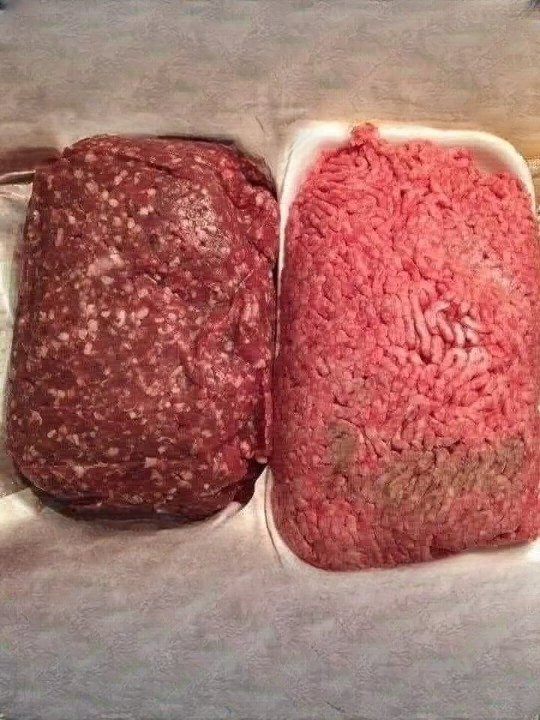
Looking Beyond Marketing Terms at the Grocery Store
Walk through the poultry section of almost any supermarket, and you’ll likely encounter a variety of appealing labels designed to catch your attention. Packages may feature phrases such as:
- Farm-Fresh
- Natural
- Free-Range
- Cage-Free
- Locally Raised
- No Added Hormones
- Organic
Combined with images of green pastures, open barns, blue skies, and healthy-looking farms, these labels often create a positive impression. Many shoppers naturally assume such wording provides a complete picture of how the chicken was raised and produced.
However, understanding food labels can sometimes be more complicated than it first appears.
While many labels provide useful information, others function primarily as marketing terms that may be interpreted differently by consumers. As interest in nutrition, sustainability, and food production continues to grow, more people are asking important questions about what these phrases actually mean.
Understanding how poultry labeling works can help consumers make informed decisions based on facts rather than assumptions.
This article explores the meaning behind common chicken labels, how poultry production operates, what regulations govern food packaging, and how shoppers can better understand the products they purchase.
Why Food Labels Matter
Food labels serve several purposes.
They can:
- Provide nutritional information
- Communicate production standards
- Highlight certifications
- Identify ingredients
- Differentiate products in a competitive marketplace
For consumers, labels often influence purchasing decisions.
People may choose products based on factors such as:
- Animal welfare considerations
- Environmental concerns
- Dietary preferences
- Local sourcing
- Organic production methods
- Price
Because labels carry significant influence, understanding their meaning is increasingly important.
The Appeal of “Farm-Fresh”
Among the most common phrases found on poultry packaging is “farm-fresh.”
The term immediately evokes images of:
- Rural landscapes
- Family farms
- Fresh ingredients
- Traditional farming practices
For many shoppers, the phrase suggests quality, freshness, and care.
However, the term itself may not always provide detailed information about how the chicken was raised.
In many cases, “farm-fresh” functions primarily as a marketing description rather than a precise production standard.
That does not necessarily make the label misleading, but it does mean consumers should look beyond the phrase itself when evaluating a product.
Understanding Common Poultry Labels
To make informed purchasing decisions, it helps to understand several frequently used poultry terms.
Natural
Many consumers assume “natural” indicates a healthier or less processed product.
In general, poultry labeled as natural typically means:
- Minimal processing
- No artificial ingredients added
However, the term does not automatically describe:
- Farming conditions
- Outdoor access
- Feed quality
- Farm size
As a result, natural chicken may still come from a wide range of production systems.
Free-Range
The phrase “free-range” is often associated with outdoor living conditions.
Generally, free-range poultry must have access to the outdoors.
However, the amount of outdoor access, duration, and environmental conditions may vary significantly among producers.
Because production practices differ, consumers seeking specific standards may wish to research individual brands.
Cage-Free
One important clarification is that chickens raised for meat are typically not housed in cages in the same way laying hens sometimes are.
As a result, the term “cage-free” is more commonly discussed regarding egg production.
For poultry products, consumers should understand that cage-free does not necessarily provide a complete picture of living conditions.
Organic
Organic certification involves more detailed requirements.
Organic poultry generally must meet standards related to:
- Feed sources
- Outdoor access
- Production practices
- Use of certain substances
Products carrying certified organic labels are typically subject to specific regulatory guidelines.
Many consumers choose organic products based on personal preferences, though nutritional differences may vary depending on multiple factors.
No Added Hormones
This phrase often appears prominently on poultry packaging.
However, regulations prohibit the use of added hormones in poultry production in many markets.
As a result, labels stating “no added hormones” may highlight a practice already required by regulation.
Consumers may benefit from understanding the broader context behind such claims.
How Modern Poultry Production Works
Modern poultry production has evolved significantly over the past century.
The primary goals of contemporary systems often include:
- Food safety
- Consistency
- Efficiency
- Affordability
- Reliable supply
Today, poultry producers operate across a wide spectrum of farming models.
These may include:
- Small family farms
- Regional operations
- Cooperative systems
- Large-scale commercial farms
Each approach involves different methods, challenges, and advantages.
Because poultry is one of the most widely consumed protein sources worldwide, production systems have developed to meet substantial consumer demand.
Why Packaging Often Features Rural Imagery
Food packaging frequently uses visual storytelling.
Images of:
- Barns
- Fields
- Farmers
- Sunrises
- Green landscapes
help communicate themes such as freshness and tradition.
These visuals are common across many food categories, including:
- Dairy products
- Produce
- Meat
- Eggs
- Grain products
While such imagery may reflect aspects of agricultural life, it should not be viewed as a detailed representation of a specific production facility.
Consumers interested in learning more about farming practices often benefit from reviewing certification programs, company websites, and third-party information sources.
Freshness vs. Labeling
One area that often causes confusion involves the relationship between freshness and labeling.
Freshness depends on factors such as:
- Processing dates
- Storage conditions
- Transportation
- Refrigeration practices
- Packaging methods
A product’s freshness is not determined solely by marketing phrases.
Checking packaging dates and handling products safely remain important practices regardless of branding language.
Nutritional Value of Chicken
Regardless of production method, chicken can be a valuable source of nutrition.
Chicken typically provides:
- Protein
- B vitamins
- Selenium
- Phosphorus
- Essential amino acids
The specific nutritional profile may vary depending on:
- Cut of meat
- Preparation method
- Added ingredients
For many households, chicken remains a versatile and accessible protein source that can fit into a balanced diet.
Understanding Consumer Expectations
Consumer expectations have changed significantly over the years.
Today’s shoppers often seek information about:
- Sustainability
- Animal care
- Local production
- Environmental impact
- Food sourcing
As a result, food companies increasingly provide additional details about their practices.
Many brands now offer:
- Farm information
- Traceability programs
- Sustainability reports
- Certification details
This growing transparency helps consumers align purchases with their personal priorities.
Questions Consumers Can Ask
Rather than relying solely on front-of-package wording, shoppers may benefit from asking:
- Is the product certified by an independent organization?
- What standards does the label represent?
- Does the company explain its farming practices?
- Are production details publicly available?
- What factors matter most to me as a consumer?
These questions often provide more meaningful insights than marketing phrases alone.
The Role of Food Regulations
Food labeling is generally subject to regulatory oversight.
Requirements may govern:
- Ingredient disclosures
- Nutritional information
- Safety standards
- Certain marketing claims
However, not every phrase on a package represents a regulated certification.
Understanding the distinction between certified claims and marketing descriptions can help consumers interpret labels more effectively.
Why Food Education Matters
Food choices are personal.
Some consumers prioritize:
- Cost
- Nutrition
- Local sourcing
- Environmental considerations
- Production methods
There is no universal approach that fits every household.
Education empowers consumers to make decisions based on their own values and priorities.
The more people understand food systems, the easier it becomes to navigate grocery store choices with confidence.
Common Misconceptions About Chicken Labels
Several myths frequently circulate regarding poultry packaging.
Myth: Every Label Represents a Government Certification
Reality: Some labels reflect regulated standards, while others function primarily as marketing terms.
Myth: More Expensive Always Means Better
Reality: Value depends on individual priorities, nutritional goals, and personal preferences.
Myth: Packaging Images Represent Exact Farm Conditions
Reality: Packaging often serves a marketing function and may not depict a specific production facility.
Myth: One Label Tells the Entire Story
Reality: Understanding food production usually requires looking at multiple sources of information.
Building Confidence as a Consumer
Consumers have more information available today than ever before.
Learning to interpret food labels can help shoppers:
- Compare products effectively
- Understand certifications
- Make informed choices
- Avoid confusion
- Align purchases with personal values
Rather than viewing labels with skepticism or blind trust, it is often best to approach them as one piece of a larger picture.
Final Thoughts
Terms such as “farm-fresh,” “natural,” and “free-range” often create positive impressions, but understanding what these labels actually mean requires a closer look. While some claims are linked to specific production standards, others function primarily as marketing language designed to communicate freshness, quality, or tradition.
The goal is not to discourage consumers from purchasing any particular product. Instead, it is to encourage informed decision-making. By learning how food labeling works, consumers can better understand the products they buy and make choices that align with their priorities, whether those priorities involve nutrition, sustainability, animal care, local sourcing, or affordability.
Ultimately, the most informed shoppers are those who look beyond the front of the package, explore available information, and make purchasing decisions based on knowledge rather than assumptions. Understanding food labels is not about distrust—it’s about becoming a more confident and informed consumer.