A day at the beach is often associated with relaxation, sunshine, fresh sea air, and the calming rhythm of waves rolling onto the shore. For many people, spending time near the ocean provides an opportunity to unwind, reconnect with nature, and enjoy outdoor activities with family and friends.
While beaches can be beautiful and enjoyable places to visit, the ocean is a powerful and constantly changing environment. Conditions can shift rapidly due to weather patterns, tides, underwater geography, and wave activity. Understanding these natural changes is an important part of staying safe around the water.
One unusual ocean phenomenon that occasionally attracts attention is known as square waves, sometimes referred to as a cross sea. These striking wave patterns create the appearance of a checkerboard or grid-like formation on the water’s surface. Although they may look fascinating from a distance and often appear in photographs shared online, experts generally advise caution when they occur.
Understanding what square waves are, how they form, and why they can create challenging conditions can help beach visitors, swimmers, boaters, and photographers make informed decisions when spending time near the ocean.
What Are Square Waves?
Square waves are a naturally occurring ocean phenomenon in which two wave systems move across the water from different directions and intersect.
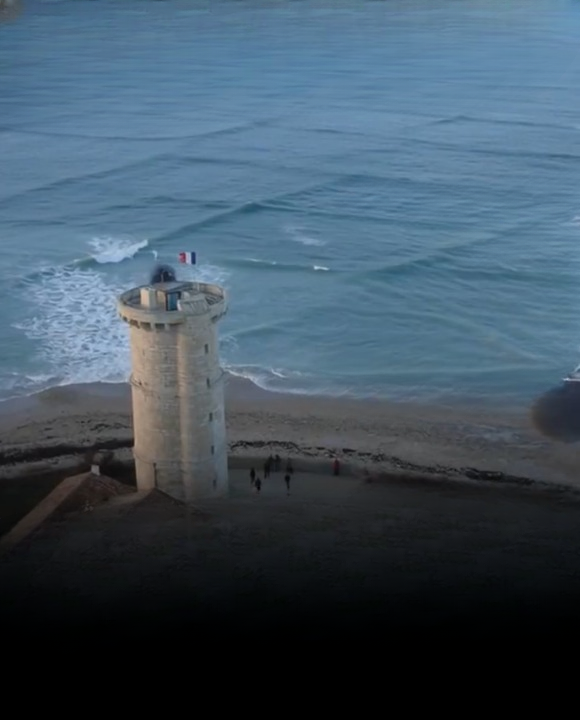
When viewed from above or from elevated coastal viewpoints, the crossing wave patterns create a visible grid or checkerboard appearance on the ocean’s surface.
Instead of waves moving in a single consistent direction, two separate wave sets meet and interact.
This interaction produces a distinctive pattern that resembles squares or rectangles stretching across the water.
The phenomenon is relatively uncommon but not extremely rare. It has been observed in several coastal regions around the world and has become increasingly recognized thanks to aerial photography and drone footage.
Many people who encounter images of square waves online assume they have been digitally altered, but the phenomenon is entirely natural.
The Science Behind Cross Seas
To understand square waves, it helps to first understand how waves normally behave.
Ocean waves are typically generated by wind. As wind moves across the water’s surface, it transfers energy into the ocean, creating wave systems that travel outward.
Under ordinary conditions, waves tend to move in relatively similar directions.
However, the ocean is influenced by many factors simultaneously.
These include:
- Wind direction
- Storm systems
- Ocean currents
- Coastal geography
- Tides
- Seasonal weather patterns
Occasionally, two distinct wave systems approach the same area from different directions.
When these wave systems intersect, they create what scientists call a cross sea.
The resulting pattern can produce the appearance of squares on the water’s surface.
Why Do Square Waves Form?
Several conditions can contribute to the formation of square waves.
One common scenario occurs when:
- Older waves generated by a distant weather system continue traveling across the ocean.
- A new local weather system creates waves moving in a different direction.
- Both wave systems meet in the same area.
Because each wave set carries its own energy and direction, the interaction creates a crossing pattern.
The stronger and more organized the wave systems are, the more visible the checkerboard effect becomes.
In some locations, local geography can also influence wave behavior and increase the likelihood of cross-sea formations.
Why Ocean Experts Pay Attention to Cross Seas
Square waves often attract attention because they look unusual and visually impressive.
However, oceanographers and maritime safety experts recognize that these formations can sometimes indicate complex water conditions.
When multiple wave systems interact, water movement becomes less predictable than it would be under ordinary wave patterns.
This can create challenges for:
- Swimmers
- Surfers
- Paddleboarders
- Small boats
- Personal watercraft operators
The concern is not the appearance of the square pattern itself but the underlying water dynamics associated with crossing wave systems.
How Cross Seas Affect Water Movement
Most swimmers are accustomed to waves approaching from a single direction.
This predictable movement allows people to adjust their balance and position more easily.
Cross seas introduce a different situation.
Because waves are approaching from multiple directions, water movement can become more complex.
Individuals may experience:
- Changing currents
- Unexpected wave interactions
- Difficulty maintaining balance
- Increased effort while swimming
For inexperienced swimmers, these conditions can be particularly challenging.
Even strong swimmers may find cross-current environments more demanding than expected.
Potential Challenges for Boats
Cross seas can also affect vessels operating in affected areas.
Boat operators generally prefer consistent wave patterns because they allow for smoother navigation.
When waves approach from different directions, vessels may experience:
- Increased rolling
- Unexpected motion
- Reduced stability
- More difficult steering conditions
This is especially important for:
- Fishing boats
- Recreational vessels
- Small watercraft
- Sailing boats
Mariners often monitor wave forecasts and sea conditions carefully to avoid unnecessary risks.
Famous Locations Known for Square Waves
Certain coastal regions are particularly known for cross-sea formations.
One of the most frequently photographed examples occurs near:
Île de Ré
This island, located off the western coast of France, has become famous for dramatic aerial views showing perfectly visible square wave patterns.
Observers often gather at elevated viewpoints to safely watch the phenomenon from shore.
Other coastal regions around the world occasionally experience similar conditions when weather and ocean patterns align.
Why Photographers Love Square Waves
From a visual perspective, square waves can be stunning.
The intersecting lines create geometric patterns rarely seen in nature.
Photographers are often fascinated by:
- The symmetry of the formations
- The unusual texture of the ocean surface
- The contrast between natural chaos and apparent order
- The opportunity to capture rare environmental conditions
Drone photography has helped bring increased attention to square waves in recent years.
Images taken from above reveal the checkerboard effect much more clearly than observations made from beach level.
Can Square Waves Be Predicted?
To some extent, yes.
Modern weather forecasting and ocean-monitoring technologies allow scientists to identify conditions that may produce cross seas.
Meteorologists and oceanographers use:
- Satellite imagery
- Wave models
- Buoy data
- Wind forecasts
- Ocean current information
These tools help experts anticipate areas where intersecting wave systems may develop.
Maritime organizations often incorporate this information into navigation guidance and safety recommendations.
Other Ocean Conditions That Require Caution
Square waves are only one example of natural ocean phenomena that deserve respect.
Beach visitors should also be aware of:
Rip Currents
Fast-moving channels of water that flow away from shore.
Strong Tides
Changes in water level that can alter beach conditions rapidly.
Sudden Weather Changes
Storms can develop quickly in coastal environments.
Large Swells
Distant storms can generate powerful waves even when local weather appears calm.
Hidden Obstacles
Rocks, reefs, and underwater structures may create hazards beneath the surface.
Awareness of these conditions contributes significantly to ocean safety.
Tips for Staying Safe Near the Ocean
Whether square waves are present or not, following basic safety practices is always a good idea.
Pay Attention to Local Warnings
Beach authorities often provide information about current water conditions.
Swim Near Lifeguards
Lifeguarded beaches offer an additional layer of safety.
Observe the Water Before Entering
Taking a few minutes to watch wave patterns can reveal changing conditions.
Follow Posted Signs
Warning signs are placed for important safety reasons.
Avoid Taking Unnecessary Risks
Interesting natural phenomena can often be appreciated safely from shore.
Check Weather Forecasts
Knowing expected conditions can help visitors prepare appropriately.
Respecting the Power of Nature
One of the most valuable lessons the ocean teaches is respect.
The sea can appear calm one moment and dramatically different the next.
This unpredictability is part of what makes coastal environments both beautiful and powerful.
Understanding natural phenomena such as square waves helps people appreciate the complexity of the ocean while encouraging responsible decision-making.
Knowledge allows visitors to enjoy the coastline safely without underestimating changing conditions.
Why Ocean Education Matters
Many accidents around the world occur not because people intentionally take risks but because they underestimate natural forces.
Educational awareness can make a significant difference.
Learning about:
- Wave behavior
- Weather systems
- Tides
- Currents
- Coastal safety
helps individuals make informed choices during beach visits.
The more people understand about the ocean, the better prepared they are to enjoy it responsibly.
The Fascination of Natural Ocean Phenomena
Square waves remind us that nature is capable of producing patterns that seem almost impossible.
What appears at first glance to be an unusual optical illusion is actually the result of complex interactions between wind, water, and energy.
These formations highlight the incredible dynamics at work beneath the ocean’s surface.
They also serve as a reminder that even familiar environments can contain surprising and educational natural phenomena.
Conclusion
Square waves, also known as cross seas, are among the ocean’s most fascinating natural displays. Formed when two wave systems intersect from different directions, they create a remarkable checkerboard appearance that attracts photographers, scientists, and curious beachgoers alike.
While these formations are visually impressive, they also indicate complex water conditions that deserve respect and caution. Understanding how square waves form and why they can affect swimmers and boaters helps promote safer experiences near the ocean.
Ultimately, the phenomenon serves as both a scientific curiosity and an important reminder of the ocean’s power. By staying informed, following local safety guidance, and respecting changing conditions, visitors can continue to enjoy the beauty of coastal environments while making responsible decisions for themselves and those around them.