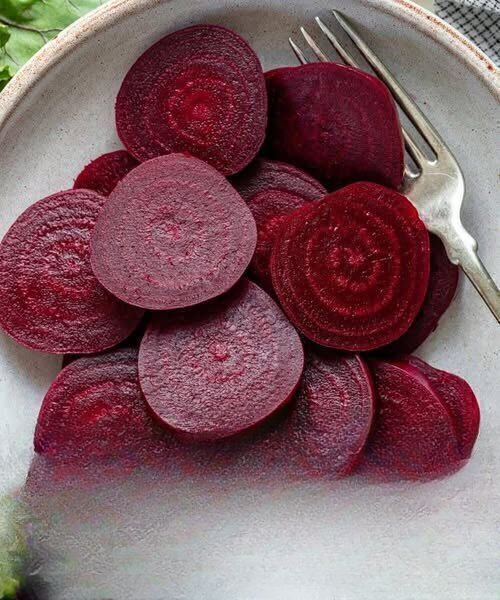
The Colorful Root Vegetable That Continues to Impress Nutrition Experts
In the world of healthy eating, certain foods rise to popularity because of clever marketing campaigns, while others earn their reputation through decades of scientific interest and nutritional value. Beetroot belongs firmly in the second category. This vibrant root vegetable has been cultivated and enjoyed for centuries, yet modern research continues to uncover new reasons why it deserves a place on the dinner table.
Recognizable by its deep red-purple color, earthy flavor, and impressive nutrient profile, beetroot is often considered one of nature’s most versatile foods. Whether roasted, steamed, juiced, blended into smoothies, or added to salads, beets provide a wide range of nutrients that may support overall health when included as part of a balanced diet.
Unlike many health trends that come and go, beetroot has remained a favorite among nutritionists, athletes, and health-conscious individuals because of its naturally occurring vitamins, minerals, antioxidants, and plant compounds. Rather than promising miraculous results, beetroot offers something far more valuable: consistent nutritional support that can contribute to long-term wellness.
This article explores what happens when people regularly include beets in their diets and why this humble vegetable continues to attract attention from researchers around the world.
Understanding Beetroot: More Than Just a Root Vegetable
Beetroot, commonly known as beet, belongs to the same plant family as spinach and Swiss chard. While many people focus on the root itself, the leafy greens attached to beets are also highly nutritious and edible.
A typical serving of beetroot contains:
- Dietary fiber
- Folate (Vitamin B9)
- Potassium
- Manganese
- Iron
- Vitamin C
- Magnesium
- Plant-based antioxidants
- Naturally occurring nitrates
Together, these nutrients contribute to numerous bodily functions, including circulation, energy production, digestion, and cellular maintenance.
One of the most distinctive features of beetroot is its rich color. That deep red hue comes from compounds known as betalains, powerful plant pigments that also function as antioxidants.
A Natural Source of Dietary Nitrates
One reason beetroot has gained attention among health researchers is its naturally high nitrate content.
Dietary nitrates differ significantly from additives sometimes found in processed foods. When consumed through vegetables, nitrates can be converted by the body into nitric oxide, a molecule involved in supporting healthy blood vessel function.
Nitric oxide helps blood vessels relax and widen, allowing blood to move more efficiently throughout the body.
Because of this process, beetroot has become a popular food among individuals interested in cardiovascular wellness and physical performance.
Supporting Healthy Circulation
Healthy circulation is essential for delivering oxygen and nutrients throughout the body.
The nitric oxide produced from dietary nitrates may help support the natural flexibility of blood vessels. This can contribute to healthy blood flow and efficient oxygen delivery.
Good circulation affects nearly every organ system, including:
- The heart
- Muscles
- Brain
- Kidneys
- Skin
When circulation functions effectively, tissues receive the resources they need to perform their roles efficiently.
Many health professionals encourage diets rich in vegetables, including nitrate-containing vegetables such as beets, as part of a heart-conscious lifestyle.
Why Athletes Often Include Beets in Their Diet
Over the past decade, beetroot has become especially popular among athletes and fitness enthusiasts.
Researchers have explored how dietary nitrates may influence exercise performance. Because nitric oxide supports blood flow and oxygen delivery, some studies suggest that consuming nitrate-rich foods may help the body use oxygen more efficiently during physical activity.
This does not mean beetroot instantly improves athletic ability. However, it may support endurance and exercise efficiency when combined with proper training and nutrition.
Many runners, cyclists, swimmers, and recreational athletes include beet juice or cooked beets in their meal plans before training sessions or competitions.
A Rich Source of Antioxidants
Every day, the body encounters environmental stressors and naturally occurring metabolic processes that produce unstable molecules known as free radicals.
In excessive amounts, free radicals may contribute to oxidative stress.
Antioxidants help neutralize these molecules and support cellular protection.
Beetroot contains several antioxidant compounds, including:
- Betalains
- Vitamin C
- Phenolic compounds
- Flavonoids
These substances help support the body’s natural defense systems and contribute to overall health maintenance.
The intense color of beetroot serves as a visible reminder of the beneficial plant compounds it contains.
Supporting Brain Function Through Healthy Blood Flow
The brain requires a constant supply of oxygen and nutrients.
Researchers have explored whether nitrate-rich vegetables may help support blood flow to areas of the brain involved in cognitive function.
While no single food guarantees improved memory or concentration, a diet rich in vegetables—including beetroot—may contribute to overall brain health as part of a balanced lifestyle.
Experts generally agree that long-term brain wellness depends on multiple factors, including:
- Physical activity
- Sleep quality
- Nutrition
- Stress management
- Lifelong learning
Beetroot can play a supportive role within that broader wellness picture.
The Fiber Benefit: Supporting Digestive Health
Many people do not consume enough fiber.
Beetroot provides dietary fiber, which supports several important digestive functions.
Fiber may help:
- Promote regular bowel movements
- Support digestive comfort
- Contribute to feelings of fullness
- Help maintain a balanced gut environment
A healthy digestive system is connected to many aspects of wellness, including nutrient absorption and overall comfort.
Adding vegetables such as beetroot to meals can help increase daily fiber intake naturally.
Nutrients That Support Energy Production
Feeling energetic depends on numerous factors, including sleep, hydration, nutrition, and physical activity.
Beets contain nutrients involved in energy metabolism, including:
- Folate
- Iron
- Magnesium
- Potassium
These nutrients participate in processes that help the body convert food into usable energy.
Although no food can replace healthy lifestyle habits, nutrient-rich vegetables contribute to overall vitality and well-being.
Folate: An Important Nutrient for Cellular Health
Beetroot is particularly known for its folate content.
Folate plays a key role in:
- DNA production
- Cell growth
- Tissue maintenance
- Normal blood cell formation
Because folate is involved in many essential bodily functions, nutrition experts emphasize the importance of obtaining adequate amounts through a varied diet.
Including foods such as beetroot can help contribute to daily folate intake.
Potassium and Everyday Wellness
Potassium is a mineral required for many bodily functions.
It contributes to:
- Muscle function
- Nerve signaling
- Fluid balance
- Heart function
Many people consume less potassium than recommended.
Beetroot provides a natural source of this important nutrient, making it a valuable addition to meals focused on nutritional balance.
A Vegetable That Supports Hydration
Although water remains the most important component of hydration, many fruits and vegetables contribute to fluid intake.
Fresh beetroot contains a significant amount of water, which can complement overall hydration efforts.
Combined with proper fluid consumption, water-rich foods help support everyday wellness.
May Contribute to Healthy Skin Appearance
Healthy skin reflects many internal and external factors, including nutrition, hydration, sleep, and sun protection.
The antioxidants and nutrients found in beetroot support overall wellness, which may contribute to maintaining healthy-looking skin.
Nutrients such as:
- Vitamin C
- Folate
- Antioxidants
are involved in normal cellular maintenance and tissue health.
While beetroot is not a skincare treatment, it can be part of a nutrient-rich eating pattern that supports the body from within.
The Role of Beet Greens: An Overlooked Nutritional Treasure
Many people discard beet greens without realizing they are highly nutritious.
The leafy tops contain:
- Vitamin K
- Vitamin A
- Vitamin C
- Calcium
- Magnesium
- Fiber
Beet greens can be prepared similarly to spinach or Swiss chard.
Using both the root and greens helps reduce food waste while maximizing nutritional value.
Different Ways to Enjoy Beetroot
One reason beetroot remains popular is its versatility.
It can be enjoyed in many forms:
Roasted Beets
Roasting brings out natural sweetness and creates a tender texture.
Fresh Salads
Thinly sliced or grated beets add color and crunch.
Smoothies
Cooked or raw beets blend well with fruits and vegetables.
Soups
Beets are commonly used in traditional soups around the world.
Beet Juice
Fresh beet juice offers a concentrated source of nutrients and is especially popular among active individuals.
Grain Bowls
Beets pair well with quinoa, rice, chickpeas, and leafy greens.
Common Questions About Eating Beets
Why Does Urine Sometimes Turn Pink or Red?
After eating beets, some people notice pink or reddish coloration in urine or stool.
This harmless phenomenon is known as beeturia.
It results from natural pigments passing through the digestive system and varies from person to person.
For most individuals, it is completely normal.
Are Raw or Cooked Beets Better?
Both forms provide nutritional benefits.
Raw beets offer a crisp texture and fresh flavor, while cooked beets are often sweeter and easier for some people to digest.
The best choice depends on personal preference.
How Often Can You Eat Beets?
For most healthy adults, beets can be enjoyed regularly as part of a varied diet.
Like any food, moderation and variety remain important principles of balanced nutrition.
Building a Balanced Diet Around Whole Foods
Nutrition experts consistently emphasize that long-term wellness is not determined by a single food.
Instead, health is supported by an overall pattern that includes:
- Fruits
- Vegetables
- Whole grains
- Lean proteins
- Healthy fats
- Adequate hydration
Beetroot fits naturally into this approach because it delivers valuable nutrients without requiring complicated preparation.
Why Beetroot Continues to Stand Out
The nutritional qualities of beetroot have allowed it to remain relevant through generations of changing dietary trends.
Unlike highly processed products that promise dramatic results, beetroot offers genuine nutritional value backed by centuries of use and growing scientific interest.
Its combination of:
- Dietary nitrates
- Antioxidants
- Fiber
- Vitamins
- Minerals
makes it one of the most nutrient-dense vegetables available.
Whether your goal is supporting an active lifestyle, improving dietary variety, increasing vegetable intake, or simply exploring new foods, beetroot represents a practical and flavorful choice.
Final Thoughts
Beetroot may appear simple on the surface, but beneath its vibrant color lies an impressive collection of nutrients and beneficial plant compounds. From supporting healthy circulation and providing antioxidants to contributing fiber, folate, and essential minerals, beets offer numerous advantages when included regularly as part of a balanced eating pattern.
Rather than viewing beetroot as a miracle food, it is best appreciated as a reliable, nutrient-rich vegetable that complements a healthy lifestyle. Consistent habits—such as eating a variety of vegetables, staying physically active, sleeping well, and managing stress—remain the foundation of long-term wellness.
Among those healthy choices, beetroot stands out as a colorful, versatile, and nourishing option that has earned its place on plates around the world. The more researchers learn about this remarkable root vegetable, the clearer it becomes that its reputation extends far beyond its striking appearance. For many people, adding beetroot to regular meals may be one of the simplest ways to increase nutritional variety while enjoying a food that is both delicious and naturally rich in health-supporting nutrients.