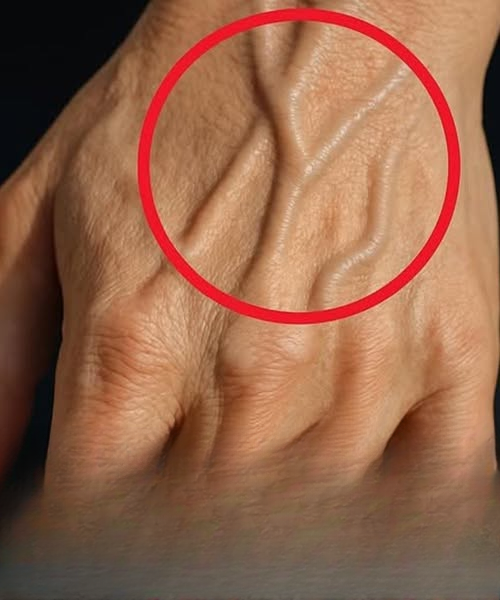
Understanding Prominent Hand Veins: Separating Common Changes from Medical Concerns
Have you ever looked down at your hands and noticed that the veins seem more visible than they used to be? For many people, this can be surprising, especially if the change appears suddenly or becomes more noticeable over time. A quick online search may lead to alarming conclusions, including suggestions that visible veins are a sign of serious illness or organ problems.
In reality, prominent veins on the hands are often a normal part of aging, body composition, physical activity, or even temporary environmental factors. While certain medical conditions can affect the appearance of veins, visible hand veins alone are rarely enough to indicate a specific health problem.
Among the concerns that sometimes arise is whether noticeable veins might be linked to kidney health. Because the kidneys play a vital role in filtering waste, regulating fluid balance, and supporting overall wellness, people naturally wonder whether changes elsewhere in the body could be connected to kidney function.
Understanding the facts can help reduce unnecessary worry while ensuring that genuine health concerns receive appropriate attention.
In this article, we’ll explore:
- Why hand veins become more visible
- Common factors that influence vein appearance
- The real warning signs associated with kidney disease
- When visible veins may warrant medical evaluation
- How to support both vascular and kidney health through everyday habits
By examining the science behind visible veins and kidney function, we can better understand what our bodies may be telling us—and what they are not.
Why Veins Become More Visible
Veins are an essential part of the circulatory system. Their job is to carry blood back toward the heart after oxygen has been delivered to tissues throughout the body.
Everyone has veins beneath the skin, but not everyone’s veins are equally visible. Several factors influence how noticeable they appear.
1. Natural Aging
One of the most common reasons veins become more prominent is simply getting older.
As people age:
- The skin gradually becomes thinner.
- Collagen production decreases.
- Fat layers beneath the skin may diminish.
These natural changes make veins easier to see, particularly on the hands, arms, and feet.
Visible veins associated with aging are generally considered normal and are not usually a sign of disease.
2. Low Body Fat Levels
Individuals with lower levels of body fat often have more visible veins.
This is especially common among:
- Athletes
- Fitness enthusiasts
- Lean individuals
- People who have recently lost weight
With less tissue covering the veins, the blood vessels become more noticeable beneath the skin.
3. Physical Activity and Exercise
Exercise temporarily increases blood flow.
During and after physical activity:
- Muscles require more oxygen.
- Blood vessels may expand.
- Veins can appear larger and more prominent.
This effect is generally temporary and often resolves once the body returns to a resting state.
4. Warm Temperatures
Heat causes blood vessels to widen as the body attempts to regulate temperature.
As a result:
- Veins may become more visible during hot weather.
- Warm baths or showers can increase vein visibility.
- Physical exertion in warm conditions may produce a similar effect.
These changes are typically harmless.
5. Genetics
Some people naturally have more visible veins than others.
Inherited factors can influence:
- Skin thickness
- Body composition
- Vein structure
- Circulatory characteristics
If prominent veins run in your family, genetics may play a significant role.
Understanding Kidney Health
The kidneys are two bean-shaped organs located near the middle of the back, just below the rib cage.
Their responsibilities include:
- Filtering waste from the blood
- Maintaining fluid balance
- Regulating certain minerals
- Supporting blood pressure regulation
- Producing hormones involved in blood cell production
Because the kidneys perform so many essential functions, maintaining kidney health is an important part of overall wellness.
However, kidney problems typically produce symptoms that differ significantly from simple visibility of hand veins.
Do Visible Hand Veins Directly Indicate Kidney Disease?
For most people, the answer is no.
Visible veins on the hands alone are not generally recognized as a primary indicator of kidney disease.
Healthcare professionals typically evaluate kidney function through:
- Medical history
- Physical examination
- Blood tests
- Urine tests
- Imaging studies when necessary
Changes in hand vein visibility are usually linked to skin, body composition, circulation, or age-related factors rather than kidney function itself.
That said, severe health conditions can sometimes cause changes throughout the body, which is why overall symptoms matter far more than any single physical characteristic.
Common Signs That May Be Associated With Kidney Problems
Kidney disease often develops gradually, especially in its early stages.
Because symptoms can be subtle, awareness is important.
Potential signs may include:
Persistent Fatigue
When kidney function declines, waste products can accumulate in the body.
Some individuals may experience:
- Reduced energy
- Increased tiredness
- Difficulty concentrating
However, fatigue has many possible causes and should always be evaluated in context.
Swelling in the Legs, Ankles, or Feet
The kidneys help regulate fluid balance.
When fluid management becomes impaired, swelling may occur in areas such as:
- Ankles
- Feet
- Lower legs
- Hands
Persistent swelling should be discussed with a healthcare professional.
Changes in Urination
Some people notice alterations in urinary habits.
Examples may include:
- Increased frequency
- Decreased frequency
- Foamy urine
- Darker urine
- Difficulty urinating
These symptoms can arise from numerous conditions and require proper medical evaluation.
High Blood Pressure
The kidneys and cardiovascular system work closely together.
Long-term high blood pressure may both contribute to and result from kidney problems.
Regular monitoring is important, especially for adults with risk factors.
Loss of Appetite
In some cases, individuals experiencing kidney-related health issues may notice:
- Reduced appetite
- Changes in taste perception
- General feelings of discomfort
Again, these symptoms are not unique to kidney disease and can occur for many reasons.
When Should You Seek Medical Advice?
Visible veins alone usually do not require medical attention.
However, it may be helpful to consult a healthcare professional if you notice:
- Sudden or dramatic changes
- Persistent swelling
- Skin discoloration
- Painful veins
- Shortness of breath
- Significant fatigue
- Unexplained changes in urination
A medical professional can assess the full picture and determine whether further testing is appropriate.
Supporting Healthy Kidney Function
While no single food or habit guarantees perfect health, certain lifestyle practices are widely recommended for supporting kidney wellness.
Stay Hydrated
Adequate hydration helps the body perform many important functions.
Water needs vary based on:
- Activity level
- Climate
- Age
- Overall health
Consult healthcare guidance if you have specific medical conditions affecting fluid intake.
Maintain a Balanced Diet
A nutrient-rich diet may support overall health.
Focus on:
- Fruits
- Vegetables
- Whole grains
- Lean protein sources
- Healthy fats
Limiting highly processed foods may also contribute to long-term wellness.
Exercise Regularly
Physical activity supports:
- Heart health
- Circulation
- Weight management
- Blood pressure control
Even moderate activity performed consistently can offer benefits.
Monitor Blood Pressure
High blood pressure is one of the most significant risk factors for kidney disease.
Routine monitoring allows early intervention when needed.
Manage Blood Sugar Levels
For individuals with diabetes or prediabetes, blood sugar management plays an important role in protecting kidney function over time.
Following medical guidance can help reduce complications.
Other Reasons Your Hands May Look Different Over Time
Many physical changes occur naturally as part of life.
Hand appearance may be influenced by:
- Aging
- Sun exposure
- Hydration status
- Weight changes
- Exercise habits
- Occupational activities
These factors often explain visible differences more accurately than assumptions about underlying illness.
The Importance of Looking at the Whole Picture
Health information online can sometimes create unnecessary anxiety by focusing on isolated signs without proper context.
A single symptom—or physical feature—rarely provides enough information to diagnose a condition.
Healthcare providers consider multiple factors, including:
- Personal history
- Family history
- Symptoms
- Lifestyle
- Laboratory testing
This comprehensive approach leads to more accurate assessments.
Frequently Asked Questions
Can dehydration make veins more visible?
Yes. Temporary dehydration may reduce fluid volume in surrounding tissues, making veins appear more noticeable.
Are visible veins always a sign of aging?
Not necessarily. Genetics, fitness level, body composition, and temperature can also influence vein visibility.
Should I worry if only one hand has prominent veins?
Differences between hands are common. However, if changes are sudden, painful, or accompanied by swelling, medical evaluation may be appropriate.
Can exercise make veins permanently more visible?
Long-term training can contribute to increased vein visibility in some individuals, especially those with lower body fat levels.
Final Thoughts
Visible veins on the hands often attract attention because they seem unusual or unexpected. Fortunately, in many cases, they are simply a normal result of aging, genetics, physical activity, body composition, or environmental factors. While concerns about kidney health are understandable, prominent hand veins alone are generally not considered a reliable indicator of kidney disease.
The kidneys perform critical functions throughout the body, and genuine kidney-related concerns are more likely to involve symptoms such as swelling, changes in urination, persistent fatigue, or abnormalities detected through medical testing.
Rather than focusing on a single physical characteristic, it is best to view health through a broader lens. Regular checkups, a balanced diet, adequate hydration, physical activity, and attention to overall wellness remain some of the most effective ways to support both kidney function and long-term health.
Understanding the difference between normal bodily changes and potential warning signs can help individuals make informed decisions, reduce unnecessary worry, and seek professional advice when appropriate. In the end, visible veins are often just one small part of the body’s natural design—something to observe, but not necessarily something to fear.