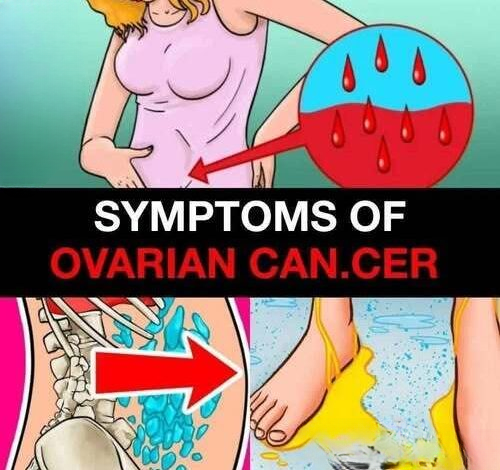
Understanding the Early Signs of Ovarian Cancer: Why Paying Attention to Persistent Symptoms Matters
Many health conditions begin with symptoms that seem easy to overlook.
A little bloating after a meal.
A feeling of fullness that appears unusual.
Occasional abdominal discomfort.
More frequent trips to the bathroom.
Experiences like these are common and often have simple explanations. They may be related to diet, stress, hormonal changes, digestive issues, or other everyday factors.
However, healthcare professionals emphasize that when symptoms become persistent, frequent, or unusual for an individual, they deserve attention.
This is particularly true when discussing ovarian health.
While ovarian cancer is not among the most common cancers affecting women, it remains an important health topic because its early symptoms can sometimes resemble other common conditions.
Understanding these symptoms does not mean assuming the worst. Instead, it encourages awareness, informed decision-making, and appropriate medical evaluation when concerns arise.
What Is Ovarian Cancer?
Ovarian Cancer develops when abnormal cells begin growing in or around the ovaries.
The ovaries are part of the female reproductive system and play important roles in hormone production and reproduction.
Like many cancers, ovarian cancer can vary significantly from person to person.
Different types exist, and symptoms, progression, and treatment options depend on numerous factors.
One reason ovarian cancer receives significant attention from healthcare organizations is that its early symptoms are often nonspecific.
In other words, the symptoms may resemble those associated with many less serious conditions.
Why Awareness Is Important
Many women experience digestive discomfort, bloating, or fatigue at some point.
Most of the time, these symptoms are not related to cancer.
However, health experts often encourage people to pay attention to symptoms that:
- Persist for several weeks
- Occur frequently
- Represent a noticeable change from normal patterns
- Gradually worsen over time
Awareness helps people recognize when it may be appropriate to consult a healthcare provider.
Common Symptoms Associated With Ovarian Cancer
Several symptoms have been associated with ovarian cancer.
These symptoms can also occur for many other reasons, which is why medical evaluation is important.
Commonly reported symptoms include:
Persistent Bloating
Many people experience occasional bloating.
However, persistent or ongoing bloating that does not improve may warrant discussion with a healthcare provider.
Feeling Full Quickly
Some individuals notice they become full sooner than expected while eating.
This symptom is sometimes referred to as early satiety.
Pelvic or Abdominal Discomfort
Ongoing discomfort in the lower abdomen or pelvic area should not be ignored if it persists.
Increased Urinary Frequency
Needing to urinate more often than usual can occur for many reasons, but persistent changes deserve evaluation.
Changes in Digestive Patterns
Some women report changes involving digestion, bowel habits, or abdominal comfort.
Again, these symptoms are not unique to ovarian cancer but may be part of a broader clinical picture.
When Symptoms Become More Noticeable
One challenge with ovarian cancer awareness is that symptoms often develop gradually.
A person may initially assume the symptoms are temporary.
Life remains busy.
Work responsibilities continue.
Family obligations take priority.
As a result, people sometimes postpone medical appointments, hoping symptoms will resolve naturally.
In many cases, they do.
However, symptoms that persist or worsen should be evaluated rather than continually dismissed.
Understanding Risk Factors
Researchers have identified several factors that may influence ovarian cancer risk.
These can include:
Age
Risk generally increases with age.
Family History
A family history of ovarian or breast cancer may increase risk for some individuals.
Certain Genetic Mutations
Specific inherited genetic changes can affect risk levels.
Reproductive and Hormonal Factors
Some reproductive health factors may influence risk.
It is important to remember that having risk factors does not mean someone will develop cancer, and many people diagnosed with ovarian cancer have no obvious risk factors.
Why Regular Medical Care Matters
Routine healthcare visits play an important role in overall wellness.
Regular appointments provide opportunities to:
- Discuss symptoms
- Review family history
- Address health concerns
- Monitor changes over time
- Receive preventive care recommendations
Open communication with healthcare providers helps support informed decision-making.
Listening to Your Body
One of the most valuable health habits involves paying attention to changes that feel unusual.
Every person knows their body better than anyone else.
While occasional symptoms are a normal part of life, persistent changes deserve attention.
Examples may include:
- Ongoing bloating
- Changes in appetite
- Unexplained discomfort
- New digestive issues
- Persistent fatigue
Awareness is not about creating fear.
It is about recognizing when something differs from your usual experience.
Common Reasons Symptoms Are Overlooked
There are many understandable reasons people delay seeking medical advice.
These include:
Busy Schedules
Many individuals prioritize work, family, and responsibilities ahead of personal health.
Assuming Symptoms Are Minor
Because symptoms often resemble common conditions, people may expect them to disappear.
Fear of Overreacting
Some worry they may be making too much of a minor concern.
Lack of Awareness
People may simply not realize certain symptoms can be worth discussing with a healthcare provider.
Education helps address many of these barriers.
The Value of Early Evaluation
Healthcare professionals consistently emphasize that early evaluation provides the best opportunity to understand what is causing symptoms.
Sometimes the explanation is simple and easily treated.
Other times additional testing may be recommended.
Either way, obtaining answers helps reduce uncertainty and supports appropriate care.
Seeking medical advice does not mean expecting a serious diagnosis.
It simply means gathering information and making informed decisions.
Supporting Overall Women’s Health
In addition to routine medical care, several lifestyle habits support overall wellness.
These may include:
Regular Physical Activity
Exercise contributes to overall health and well-being.
Balanced Nutrition
Nutritious eating patterns support many aspects of health.
Adequate Sleep
Rest plays an important role in physical recovery and overall wellness.
Stress Management
Healthy coping strategies can improve quality of life.
Preventive Healthcare Visits
Regular checkups support long-term health monitoring.
These habits contribute to overall wellness, although no lifestyle guarantees prevention of any specific condition.
Talking With Family Members
Health awareness is often strengthened through conversation.
Discussing family medical history with relatives may help individuals better understand potential health risks.
Information regarding:
- Cancer history
- Genetic conditions
- Significant medical diagnoses
can sometimes be valuable during healthcare appointments.
Open communication supports more informed healthcare decisions.
Separating Awareness From Anxiety
One challenge in health education is balancing awareness with perspective.
Learning about symptoms should encourage informed action—not unnecessary worry.
Most cases of bloating, abdominal discomfort, or digestive changes are not caused by ovarian cancer.
However, persistent symptoms should not be ignored simply because they seem common.
The goal is awareness.
Not fear.
Knowledge empowers individuals to make thoughtful decisions about their health.
What To Do If You Notice Persistent Symptoms
If symptoms continue for several weeks or represent a noticeable change from your normal health patterns, consider:
- Keeping track of symptoms.
- Noting frequency and duration.
- Scheduling a medical appointment.
- Discussing concerns openly with a healthcare provider.
- Following recommended evaluations or testing if advised.
These steps can help clarify what may be causing symptoms and determine whether further investigation is necessary.
Final Thoughts
Ovarian cancer awareness is important because its early symptoms can sometimes resemble everyday health concerns.
Persistent bloating, feeling full quickly, abdominal discomfort, urinary changes, and ongoing digestive symptoms may have many possible explanations, but they should not be ignored when they continue over time.
The most important message is simple:
Pay attention to changes that feel unusual for you.
Listen to your body.
Seek medical advice when symptoms persist.
And remember that awareness, communication, and routine healthcare are powerful tools in supporting long-term health and well-being.
Being informed does not create fear—it creates the opportunity to make confident, proactive decisions about your health.