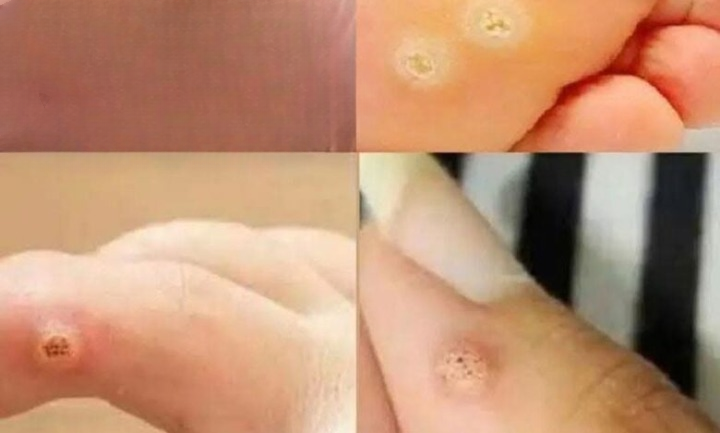
Most people have experienced it at some point: you notice a small bump on your skin that seemingly appeared out of nowhere. It may be rough to the touch, slightly raised, and located on your foot, hand, finger, or another area of the body. While these growths can sometimes cause concern, they are often a common skin condition known as a wart.
Although warts are generally harmless, they can be frustrating, uncomfortable, and sometimes embarrassing for those who develop them. Understanding what causes them, how they spread, and what treatment options are available can help individuals make informed decisions about their skin health.
This article explores everything you need to know about warts, including their causes, different types, prevention strategies, and when it may be appropriate to seek professional medical advice.
What Exactly Is a Wart?
A wart is a small growth that develops on the skin due to certain strains of the human papillomavirus (HPV). When the virus enters the outer layer of the skin through tiny openings or microscopic breaks, it can trigger an increase in skin cell production, leading to the formation of a wart.
Warts can vary significantly in appearance depending on their location and the specific HPV strain involved. Some are smooth and flat, while others may be rough, raised, or clustered together.
Despite their appearance, most common warts are non-cancerous and often resolve on their own over time.
The Human Papillomavirus and Skin Warts
The human papillomavirus is actually a large group of viruses. While some types are associated with various medical conditions, the strains responsible for common skin warts are generally different from those associated with more serious health concerns.
HPV thrives in warm, moist environments and can spread through direct contact with infected skin or contaminated surfaces.
Common places where exposure may occur include:
- Public swimming pools
- Locker rooms
- Gym shower areas
- Shared athletic facilities
- Community changing rooms
However, exposure alone does not guarantee that a wart will develop. Factors such as skin integrity, immune response, and individual susceptibility all play a role.
How Warts Develop
The process begins when the virus enters the skin through a small opening. These openings may be so tiny that a person never notices them.
Once inside, the virus affects the growth cycle of skin cells. Instead of shedding normally, affected cells multiply more rapidly than usual.
Over time, this buildup creates the visible bump recognized as a wart.
The process is often gradual, meaning a wart may take weeks or even months to become noticeable after exposure to the virus.
Common Types of Warts
Not all warts look the same. Their appearance often depends on where they occur on the body.
Common Warts
Common warts frequently appear on:
- Fingers
- Hands
- Around fingernails
Characteristics include:
- Rough texture
- Rounded shape
- Slightly raised surface
- Grayish or flesh-colored appearance
They may contain tiny dark dots, which are small blood vessels within the wart.
Plantar Warts
Plantar warts occur on the soles of the feet.
Unlike many other warts, they often grow inward because of the pressure created by walking and standing.
Symptoms may include:
- Discomfort when walking
- Tenderness
- A sensation similar to stepping on a pebble
- Thickened skin around the lesion
Because of their location, plantar warts are among the most troublesome forms of warts.
Flat Warts
Flat warts tend to be:
- Smaller
- Smoother
- Less raised
They often appear in groups and may develop on:
- Face
- Legs
- Arms
Children and teenagers are particularly prone to this type.
Filiform Warts
These warts have a distinctive appearance.
They often look:
- Long
- Narrow
- Thread-like
Common locations include:
- Eyelids
- Lips
- Neck
- Face
Although usually harmless, their appearance can make them more noticeable.
Periungual Warts
These develop around fingernails and toenails.
They can sometimes interfere with nail growth and become uncomfortable if left untreated.
Why Some People Get Warts More Often Than Others
Exposure to HPV is common, yet not everyone develops warts.
Several factors may increase susceptibility:
Age
Children and teenagers tend to develop warts more frequently because their immune systems are still gaining experience recognizing certain viral strains.
Skin Injuries
Cuts, scratches, and abrasions can provide an entry point for the virus.
Frequent Moisture Exposure
Wet skin may be more vulnerable to viral entry.
Immune Function
People with weakened immune responses may be more likely to develop persistent warts.
Are Warts Contagious?
Yes, warts can spread from person to person.
Transmission can occur through:
- Direct skin contact
- Shared towels
- Shared footwear
- Contact with contaminated surfaces
However, the virus is generally not highly contagious compared with some other viral infections.
Many people encounter HPV without ever developing visible warts.
Can Warts Spread to Other Areas of the Body?
In some cases, yes.
Touching, scratching, or picking at a wart may increase the risk of transferring the virus to nearby skin.
This process is known as autoinoculation.
To minimize spread:
- Avoid picking at warts
- Wash hands regularly
- Keep affected areas clean
- Use separate grooming tools when necessary
Common Symptoms of Warts
Symptoms vary depending on the type and location.
People may notice:
- Small raised bumps
- Rough skin texture
- Thickened skin
- Mild tenderness
- Pressure-related discomfort
- Cosmetic concerns
Some warts cause no symptoms at all and are discovered incidentally.
Plantar Warts and Foot Pain
When a wart develops on the bottom of the foot, everyday activities may become uncomfortable.
Pressure from:
- Walking
- Running
- Sports participation
can push the wart inward, causing discomfort.
Many individuals initially mistake plantar warts for calluses because of their thickened appearance.
However, plantar warts often display small dark spots and interrupt normal skin patterns.
Diagnosing Warts
Healthcare professionals can often diagnose a wart through visual examination.
In some situations, additional evaluation may be recommended if:
- The lesion appears unusual
- The diagnosis is uncertain
- The growth changes rapidly
- Standard treatments are ineffective
Professional assessment helps ensure that other skin conditions are not mistaken for warts.
Do Warts Go Away on Their Own?
Many warts eventually disappear without treatment.
The immune system gradually recognizes the virus and works to eliminate infected cells.
This process can take:
- Several months
- One to two years
- Occasionally longer
The timeline varies considerably from person to person.
Treatment Options for Warts
People may choose treatment for various reasons, including discomfort, appearance, or concerns about spreading the virus.
Over-the-Counter Treatments
Products containing salicylic acid are among the most common options.
These treatments work by gradually removing layers of affected skin.
Consistent use is typically required for several weeks.
Cryotherapy
A healthcare provider may use freezing techniques to destroy wart tissue.
This method is commonly performed in medical offices.
Prescription Treatments
Certain stubborn warts may require specialized medications prescribed by a healthcare professional.
Minor Procedures
For persistent cases, healthcare providers may recommend additional treatment methods based on individual circumstances.
Home Care Tips
If you have a wart, simple habits may help support treatment and reduce spread.
Keep the Area Clean
Good hygiene remains important throughout the treatment process.
Avoid Picking
Picking can irritate the skin and potentially spread viral particles.
Protect Shared Spaces
Wear footwear in communal shower areas and pool facilities.
Follow Treatment Instructions Carefully
Whether using over-the-counter or professional treatments, consistency often improves outcomes.
Preventing Warts
While prevention is not always possible, several strategies may lower risk.
Wear Foot Protection
Flip-flops or sandals can provide a barrier in communal wet environments.
Keep Feet Dry
Dry skin tends to be more resilient than constantly moist skin.
Avoid Sharing Personal Items
Items such as:
- Towels
- Nail clippers
- Socks
- Shoes
should generally remain personal.
Treat Existing Warts Promptly
Early attention may reduce the likelihood of spread.
Common Myths About Warts
Myth: Warts Have Roots
Many people believe warts have deep roots extending into the body.
In reality, warts affect the upper layers of skin and do not develop root systems.
Myth: Touching a Frog Causes Warts
This popular belief has been passed down for generations.
Warts are caused by HPV, not by frogs or toads.
Myth: Every Wart Requires Aggressive Treatment
Many warts eventually resolve naturally.
Treatment decisions depend on symptoms, location, and personal preference.
When to Seek Medical Advice
It may be helpful to consult a healthcare professional if:
- A growth causes significant pain
- The diagnosis is uncertain
- The wart changes rapidly
- Multiple lesions appear suddenly
- Home treatments are ineffective
- The wart interferes with daily activities
Professional evaluation can provide clarity and appropriate treatment recommendations.
Special Considerations for Children
Warts are particularly common among children and adolescents.
Parents may notice warts on:
- Fingers
- Hands
- Knees
- Feet
Fortunately, most cases are manageable and do not lead to serious health problems.
Encouraging good hygiene habits and avoiding picking at lesions can help minimize spread.
The Emotional Impact of Visible Skin Conditions
Although warts are usually harmless, visible skin conditions can affect confidence and self-esteem.
Children and adults alike may feel self-conscious when lesions appear on highly visible areas such as:
- Hands
- Face
- Neck
Supportive conversations and accurate information can help reduce unnecessary anxiety.
The Bottom Line
Warts are one of the most common skin conditions worldwide. Caused by certain strains of the human papillomavirus, these small growths can appear on various parts of the body, particularly the hands and feet. While they may look concerning, most warts are harmless and manageable.
Understanding how warts develop, recognizing the different types, and practicing preventive habits can make dealing with them far less stressful. In many cases, the body’s immune system eventually clears the infection naturally. For persistent, painful, or bothersome warts, a healthcare professional can recommend safe and effective treatment options.
The key is to stay informed, avoid unnecessary worry, and seek medical guidance whenever uncertainty arises. With proper care and attention, most people can successfully manage warts and maintain healthy skin.