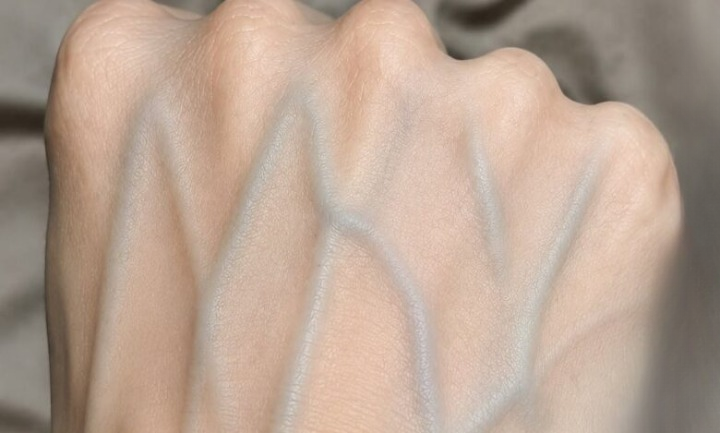
Many people notice prominent veins on their hands, arms, legs, or feet and immediately wonder whether they should be concerned. The appearance of blue, green, or purple veins beneath the skin can sometimes seem more noticeable than usual, especially after exercise, during warm weather, or as we age. While visible veins are often a normal part of human anatomy, understanding why they appear and when they may warrant medical attention can help you make informed decisions about your health.
In most cases, visible veins are harmless and result from natural factors such as genetics, body composition, aging, or physical activity. However, there are situations where changes in vein appearance may be associated with underlying circulation issues or vascular conditions that deserve evaluation by a healthcare professional.
This guide explores the role of veins in the body, the most common reasons they become more noticeable, potential health conditions linked to vein changes, and practical steps for maintaining healthy circulation.
Understanding the Role of Veins in the Human Body
The circulatory system is one of the body’s most important networks. It consists of arteries, veins, and capillaries that work together to transport blood throughout the body.
Arteries carry oxygen-rich blood away from the heart, while veins return oxygen-depleted blood back to the heart and lungs for reoxygenation. This process occurs continuously throughout our lives and supports every organ, tissue, and cell in the body.
Veins contain specialized valves that help blood move in the correct direction. These valves are particularly important in the legs, where blood must travel upward against gravity to return to the heart.
When the circulatory system functions properly, blood flows efficiently and the valves help prevent backward pooling. Changes in vein appearance can sometimes reflect normal physiological processes, while in other cases they may indicate that these mechanisms are not working as effectively as they should.
Why Veins Become More Visible
Many people assume that visible veins automatically indicate a health problem, but that is not always true.
Several completely normal factors can make veins appear more prominent.
Low Body Fat Percentage
One of the most common reasons veins become noticeable is a lower amount of body fat beneath the skin.
The layer of fat between the skin and blood vessels can affect how visible veins appear. Individuals with less subcutaneous fat often notice veins more clearly, especially on the hands, forearms, feet, and lower legs.
Athletes, runners, cyclists, swimmers, and physically active individuals frequently have visible veins without any underlying health concerns.
Genetics
Family history plays a major role in vein appearance.
Some people naturally inherit thinner skin or vein patterns that are easier to see beneath the surface. If parents or close relatives have prominent veins, there is a good chance other family members may as well.
Aging
As people age, several changes occur within the skin and circulatory system.
These changes may include:
- Thinning skin
- Reduced collagen production
- Loss of skin elasticity
- Decreased subcutaneous fat
As a result, veins that were once hidden become increasingly visible over time.
This is particularly common on the backs of the hands and lower legs.
Warm Temperatures
Heat causes blood vessels to expand, a process known as vasodilation.
When veins expand, they become more visible beneath the skin. Many people notice that their veins appear larger during:
- Summer months
- Hot showers
- Saunas
- Outdoor activities
This is generally considered a normal physiological response.
Physical Activity
Exercise increases blood flow and temporarily enlarges veins.
Weightlifting and resistance training often make veins appear especially pronounced because muscles expand during activity and place pressure on nearby blood vessels.
For many individuals, these temporary changes disappear after the body returns to a resting state.
The Difference Between Healthy Visible Veins and Vein Disorders
Not all visible veins are the same.
Some are simply a cosmetic feature, while others may indicate changes within the venous system.
Understanding the difference is important.
Healthy Visible Veins
Normal visible veins typically:
- Are not painful
- Do not cause swelling
- Maintain a consistent appearance
- Do not interfere with daily activities
These veins often become more noticeable because of factors such as body composition, exercise, genetics, or aging.
Veins That May Need Evaluation
A healthcare provider may recommend further assessment if visible veins are accompanied by:
- Persistent swelling
- Discomfort
- Heaviness in the legs
- Skin discoloration
- Changes in vein size
- New symptoms that develop suddenly
While these symptoms do not automatically indicate a serious condition, they may warrant professional evaluation.
Understanding Varicose Veins
One of the most common vein-related conditions is the development of varicose veins.
Varicose veins occur when vein valves become less effective, allowing blood to pool within the vessels.
This causes veins to enlarge and become more visible beneath the skin.
Characteristics of varicose veins may include:
- Twisted appearance
- Bulging shape
- Blue or purple coloration
- Prominence beneath the skin
Varicose veins most commonly affect the legs because of the increased pressure associated with standing and walking.
Risk Factors for Varicose Veins
Several factors can increase the likelihood of developing varicose veins.
These include:
Family History
Genetics significantly influence vein health.
Prolonged Standing
Occupations that require long hours of standing may place additional pressure on leg veins.
Pregnancy
Temporary circulatory changes during pregnancy can contribute to vein enlargement.
Aging
Vein valves naturally experience wear over time.
Excess Body Weight
Additional body weight may increase pressure on the venous system.
Symptoms Sometimes Associated With Varicose Veins
Not everyone with varicose veins experiences symptoms.
However, some individuals report:
- Leg fatigue
- Aching sensations
- Mild swelling
- Heaviness
- Discomfort after standing for long periods
Medical evaluation can help determine appropriate management options if symptoms become bothersome.
Spider Veins: A Common Cosmetic Concern
Spider veins are smaller than varicose veins and often appear as thin networks of red, blue, or purple lines.
They are commonly found on:
- Legs
- Ankles
- Face
Unlike varicose veins, spider veins typically remain close to the skin’s surface and rarely cause significant symptoms.
Many people seek treatment primarily for cosmetic reasons.
The Importance of Healthy Circulation
Healthy circulation supports nearly every function of the body.
Good circulation helps:
- Deliver oxygen to tissues
- Remove waste products
- Support healing
- Regulate temperature
- Maintain overall wellness
Several lifestyle habits can help promote vascular health.
Habits That Support Vein Health
Stay Physically Active
Regular movement helps improve circulation and supports healthy blood flow.
Walking, swimming, cycling, and other low-impact activities can be beneficial.
Maintain a Healthy Weight
Weight management may reduce excess pressure on leg veins.
Avoid Long Periods of Sitting
Extended sitting may slow circulation.
Taking short movement breaks throughout the day can help encourage blood flow.
Elevate Your Legs
Occasionally elevating the legs may assist circulation and reduce feelings of heaviness.
Stay Hydrated
Proper hydration supports overall cardiovascular function.
Common Myths About Visible Veins
Myth 1: Visible Veins Always Mean Poor Health
In reality, many healthy individuals have highly visible veins due to genetics, body composition, or exercise habits.
Myth 2: Only Older Adults Develop Vein Problems
While aging increases risk, younger adults can also develop vein-related conditions.
Myth 3: Exercise Causes Damaged Veins
Exercise generally supports vascular health and improves circulation.
Temporary vein prominence during workouts is often a normal response.
When to Consult a Healthcare Professional
Although visible veins are often harmless, it may be wise to seek medical advice if you notice:
- Sudden changes in appearance
- Persistent pain
- Significant swelling
- Skin changes around the veins
- Discomfort that affects daily life
A healthcare professional can evaluate symptoms and determine whether further investigation is necessary.
The Connection Between Lifestyle and Vascular Wellness
The health of your circulatory system is influenced by daily habits.
Choices involving:
- Nutrition
- Physical activity
- Sleep
- Stress management
- Hydration
can all contribute to long-term cardiovascular and vascular health.
Small improvements made consistently over time often have meaningful benefits.
Understanding Your Body’s Signals
Our bodies constantly communicate through physical changes and sensations.
Visible veins are one example of how the body reflects both normal biological processes and, occasionally, underlying health conditions.
Rather than assuming the worst, it is important to view these changes in context.
Many factors influence vein appearance, and most are entirely benign.
Being aware of your body’s normal patterns can make it easier to recognize when something truly changes and may require professional guidance.
Final Thoughts
Visible veins are a common feature for millions of people and are often influenced by factors such as genetics, aging, exercise, body composition, and temperature. In many cases, they are simply a normal part of how the circulatory system appears beneath the skin.
However, understanding the difference between harmless vein visibility and symptoms that may suggest a vascular issue is valuable. Paying attention to persistent discomfort, swelling, or significant changes can help ensure that potential concerns are addressed appropriately.
The key is not to react with fear but to stay informed. By maintaining healthy lifestyle habits, supporting good circulation, and seeking medical advice when necessary, individuals can take proactive steps toward long-term vascular wellness and overall health.
Visible veins are often a reflection of the remarkable circulatory network working continuously beneath the surface—an everyday reminder of the body’s extraordinary ability to keep us moving, active, and healthy.